Snake Surgery & Reptile Conservation
Why Should We Save Snakes—In the Wild and in Captivity?
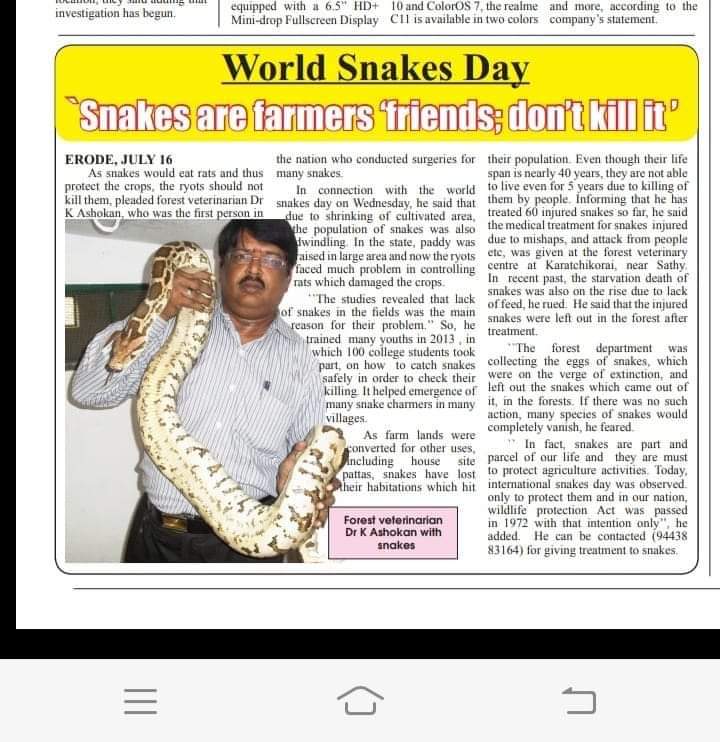
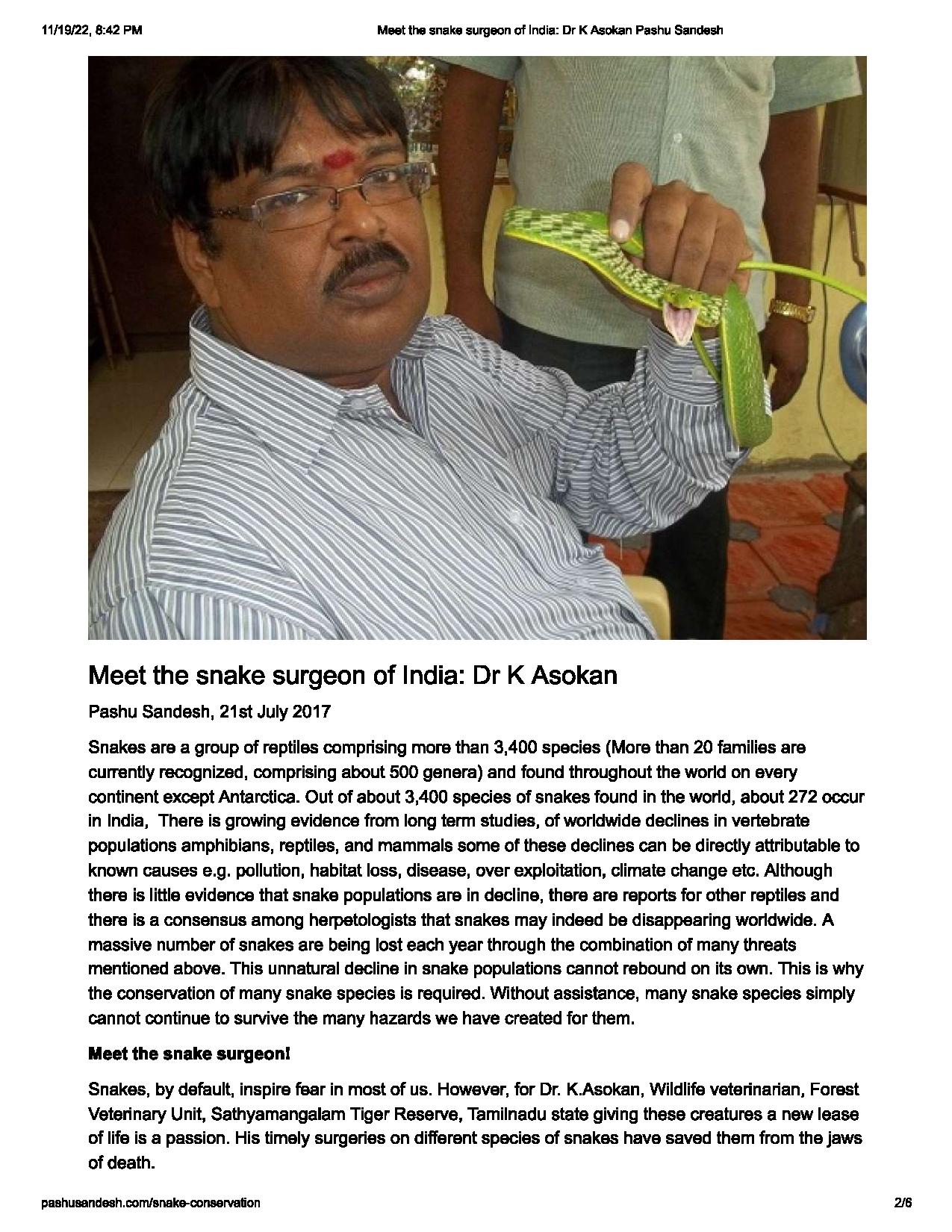
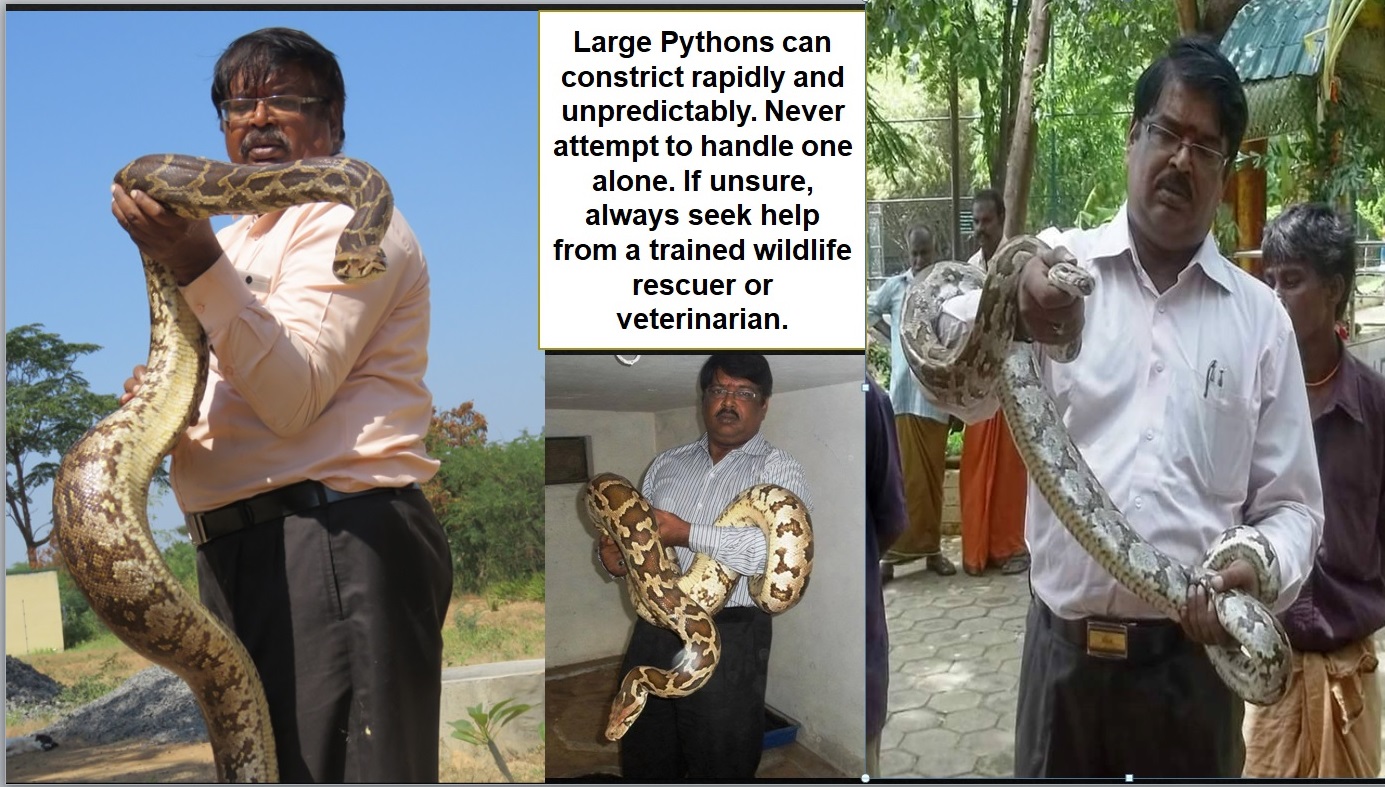
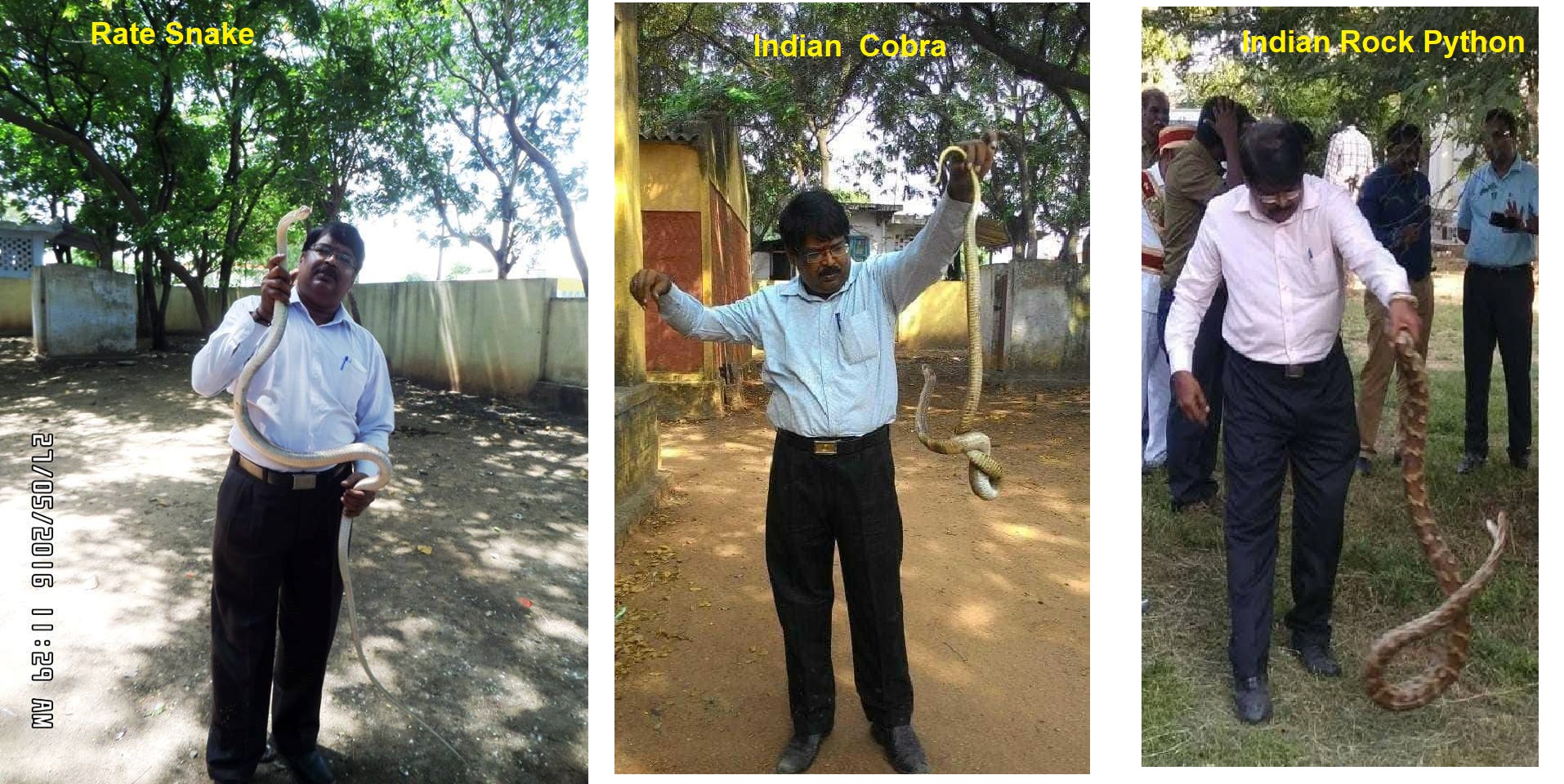
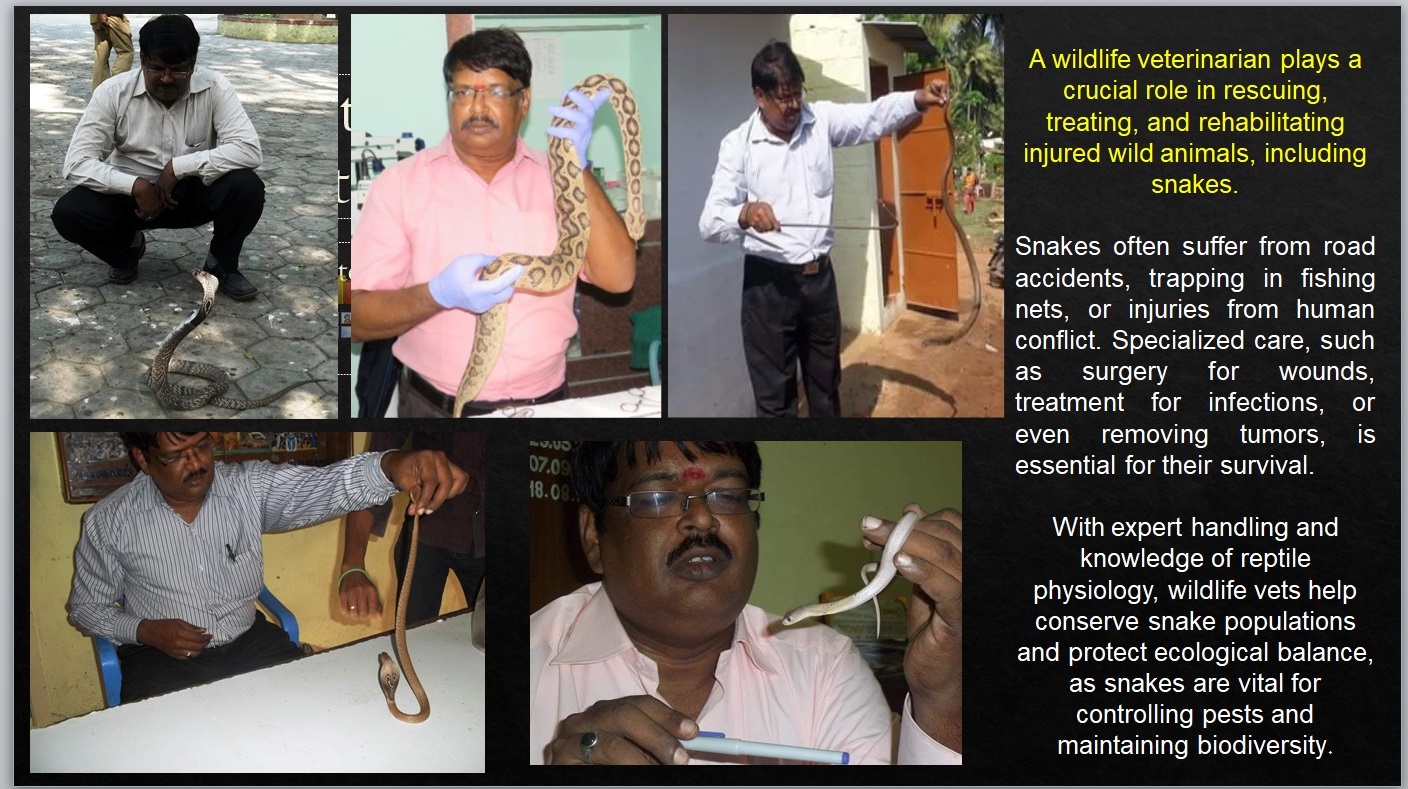
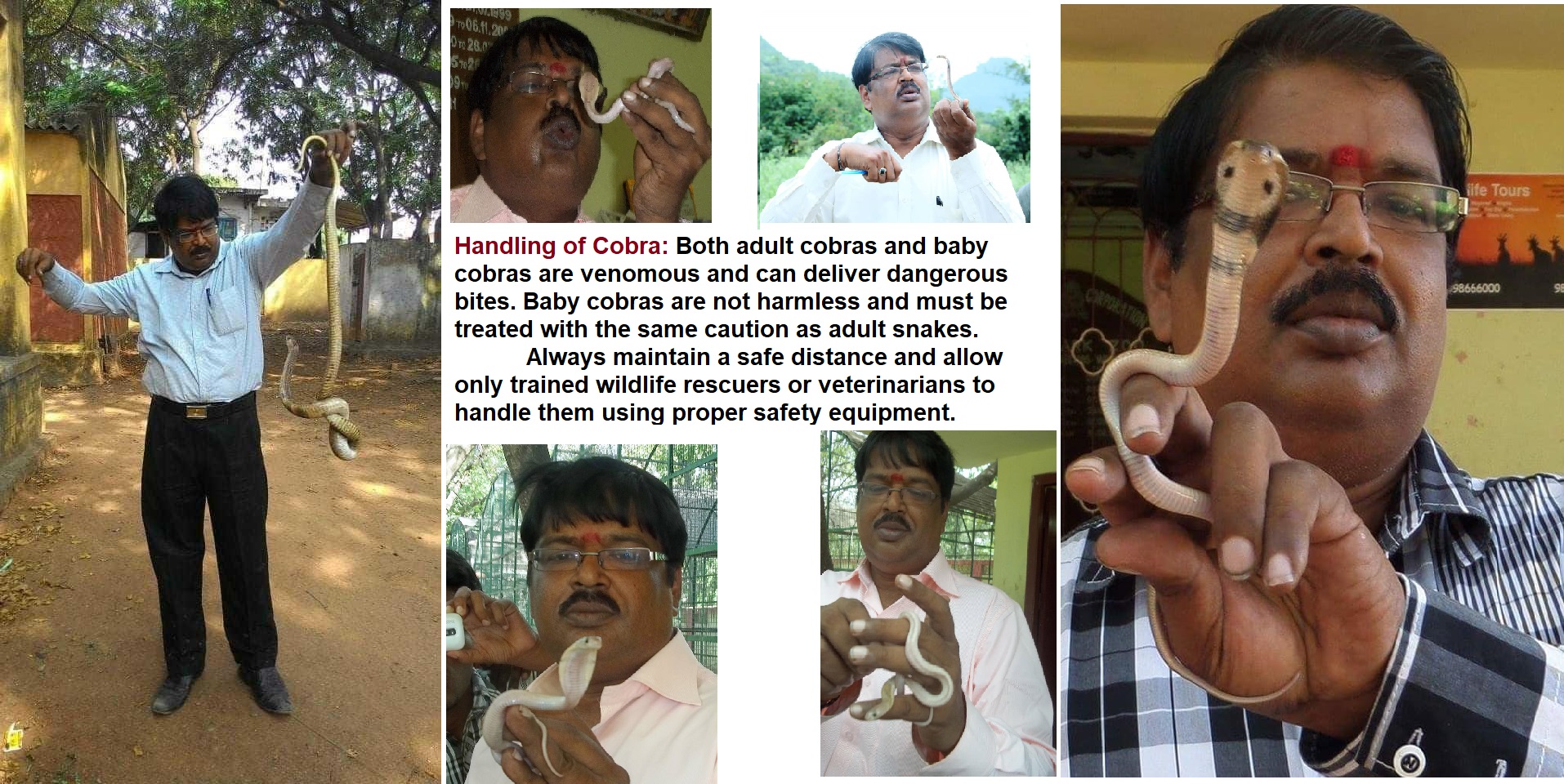
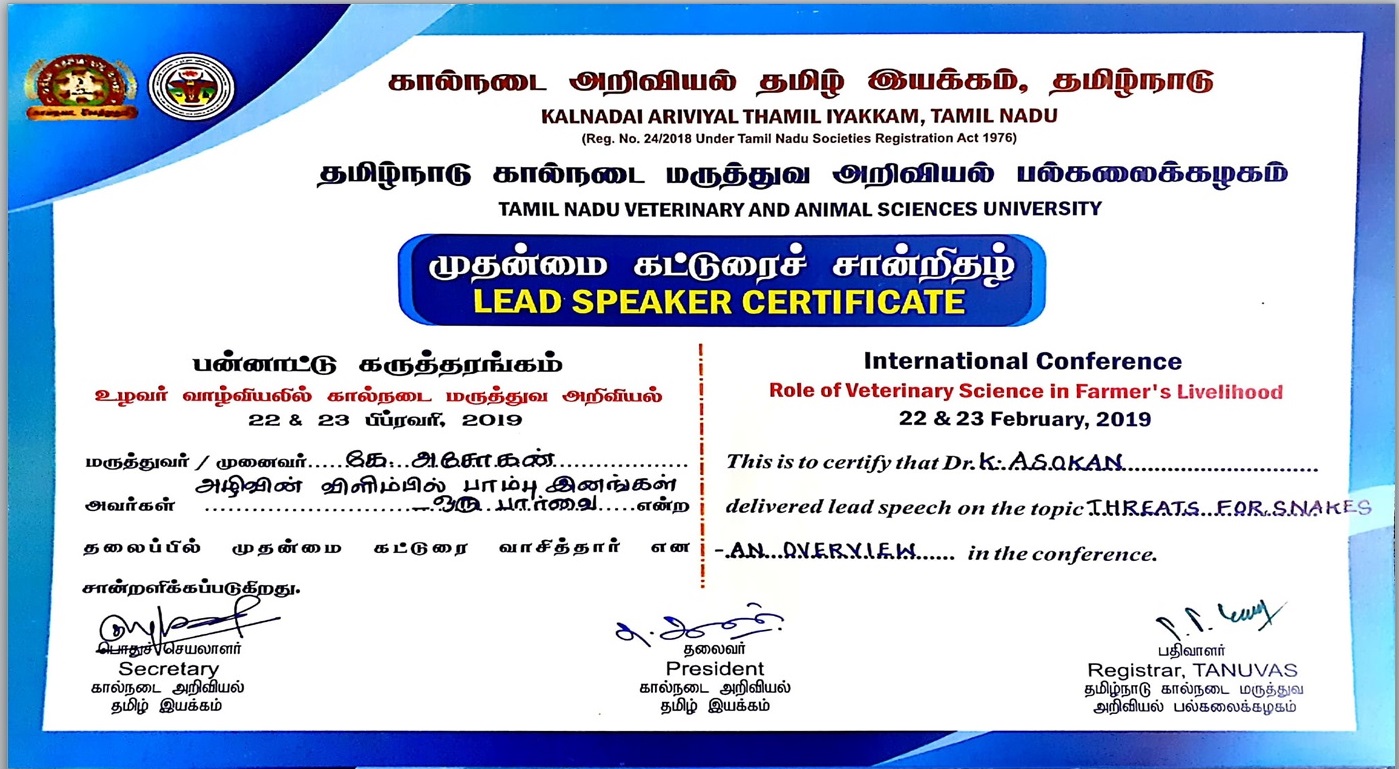
Dr. Krishnamoorthy Asokan, a wildlife veterinarian, has been involved in snake rescue, handling, veterinary treatment, rehabilitation, and conservation for more than 10 years, treating injured and diseased snakes and releasing suitable individuals back into their natural habitats. He has also conducted training and awareness programmes for snake-rescue volunteers and forest frontline staff, helping them develop safer and more scientific approaches to snake rescue and management. His work demonstrates that conservation is not only about protecting snakes in forests but also about providing appropriate veterinary care when they are injured or affected by human activities. Saving snakes means protecting nature, maintaining biodiversity, supporting scientific knowledge, and creating a safer coexistence between people and wildlife.
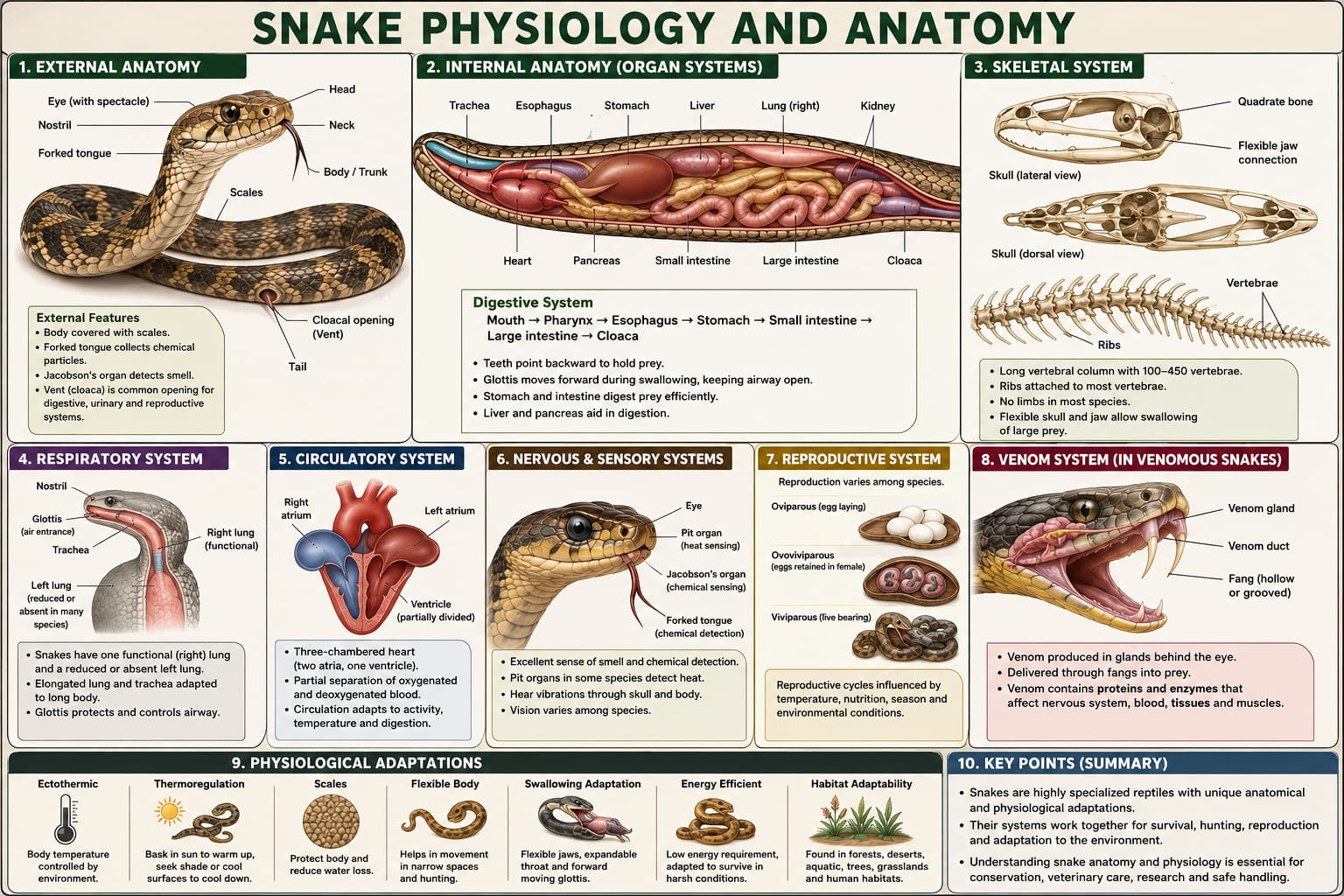
Snake Surgery:- Key Anatomical and Physiological Challenges
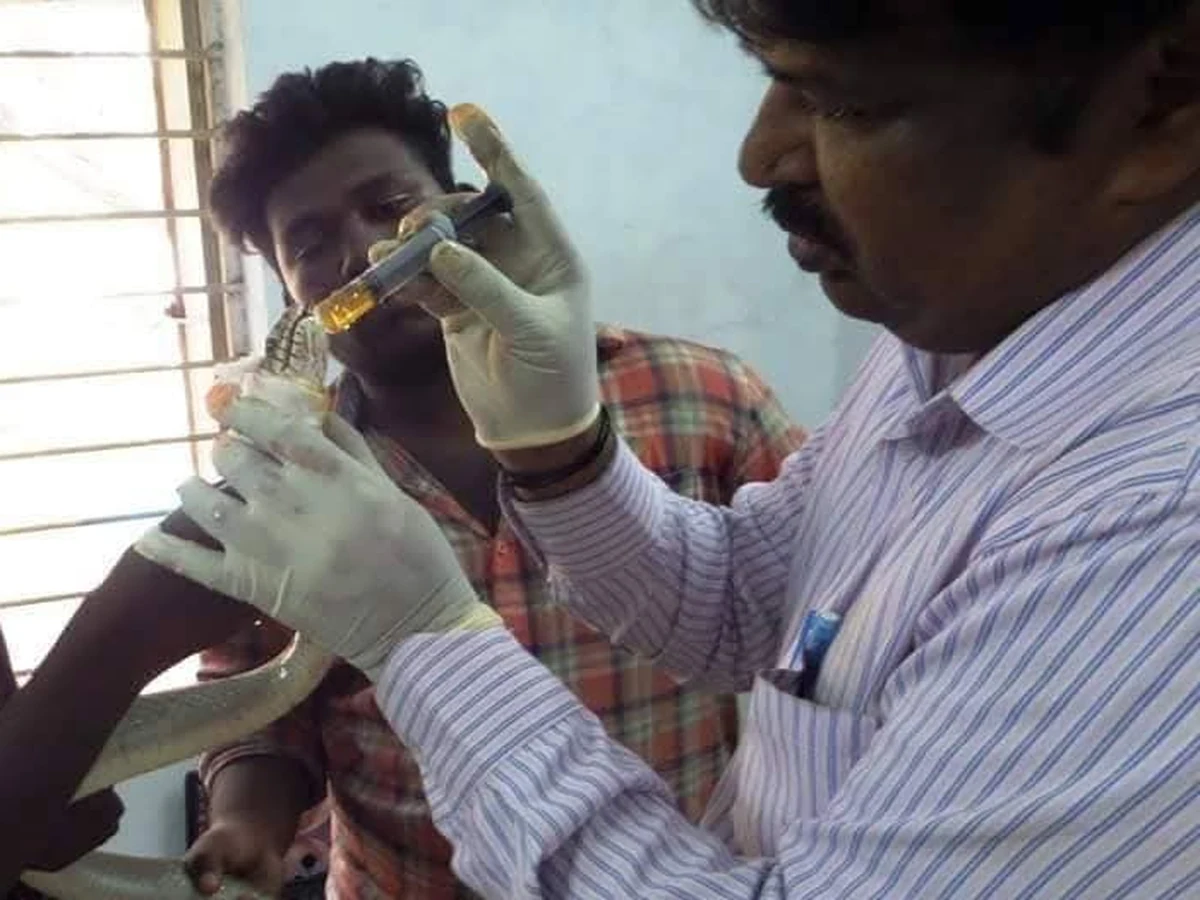
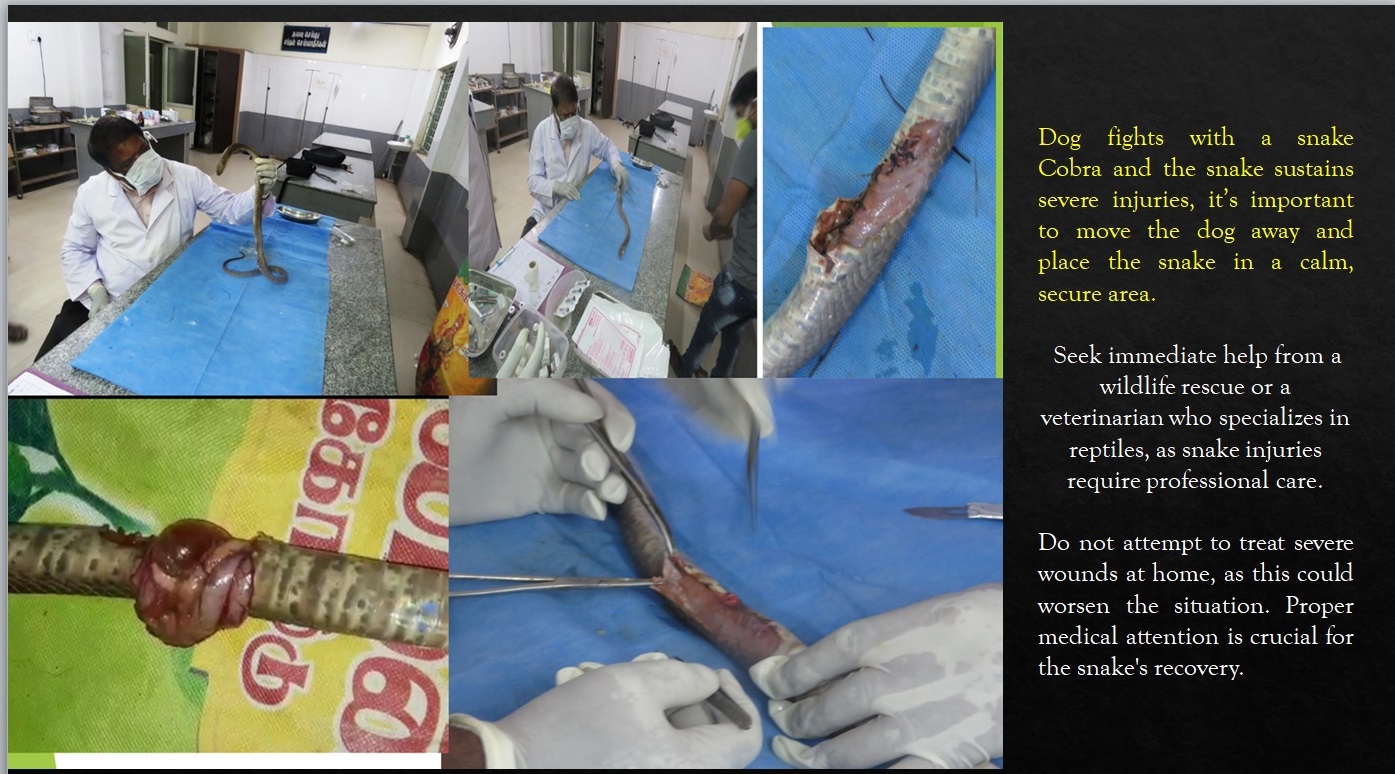
- Dr. Krishnamoorthy Asokan has conducted numerous snake surgeries, managing complex cases that require techniques very different from those used in mammals and birds. Snake surgery demands specialized knowledge of reptile anatomy and physiology, safe handling and restraint, species-specific anaesthesia, respiratory management, careful positioning, precise surgical techniques, and prolonged post-operative care. Their elongated body, numerous vertebrae and ribs, specialized internal organs, ectothermic physiology, and unique respiratory system create additional challenges for diagnosis, anaesthesia, surgery, wound healing, and recovery. His experience demonstrates the importance of specialized veterinary knowledge, surgical skill, patience, safety, field experience, and conservation commitment in successfully treating and rehabilitating injured snakes.
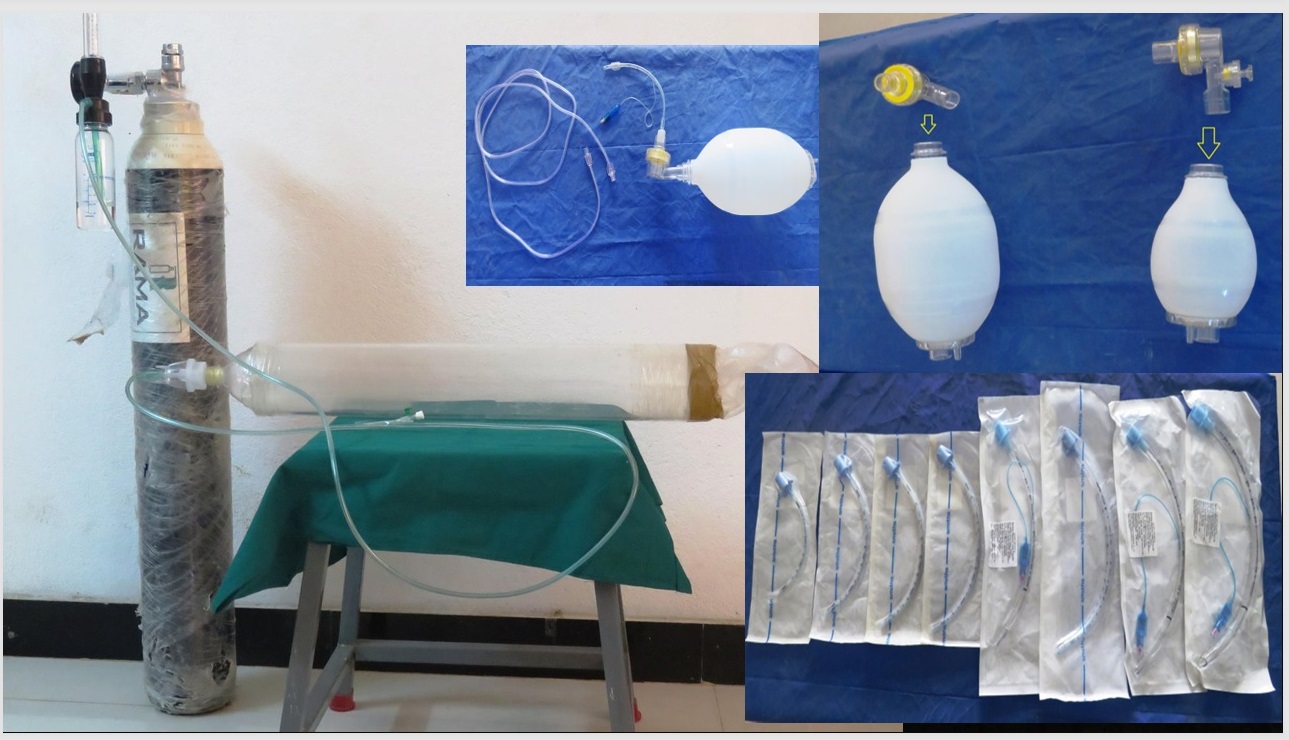
- Key Anatomical and Physiological Challenges Absence of a Diaphragm: Snakes lack a diaphragm, meaning positive-pressure ventilation must be meticulously managed during general anesthesia to ensure proper respiratory exchange without causing barotrauma to the single lung or avascular lung fields.
- Continuous Coelom (Single Body Cavity): Unlike mammals with distinct thoracic and abdominal cavities, reptiles possess a single coelomic cavity. Any coelomic entry exposes all major visceral organs simultaneously, increasing the risk of widespread contamination or herniation if closure techniques are not precise.
- Vascular Access and Pharmacokinetics: Securing reliable intravenous access can be extremely challenging, often requiring alternative routes like intraosseous catheterization or the use of specific subcutaneous/epaxial muscle sites. Drug metabolism is also heavily dependent on ambient temperature, requiring strict thermal support during and after the procedure.
- Ecdysis and Wound Healing: The process of skin shedding (ecdysis) directly impacts incision site healing and suture integrity. Sutures placed through scales can tear or interfere with normal sloughing, requiring specialized suture patterns (such as horizontal mattress or cruciate patterns) and absorbable materials that integrate well with reptilian dermal structures.
- Patient Mobility and Anatomy: Managing a patient with no limbs, high flexibility, and a long tubular body requires specialized post-operative housing and bandaging techniques to prevent the patient from rubbing, constricting, or disrupting the surgical site.
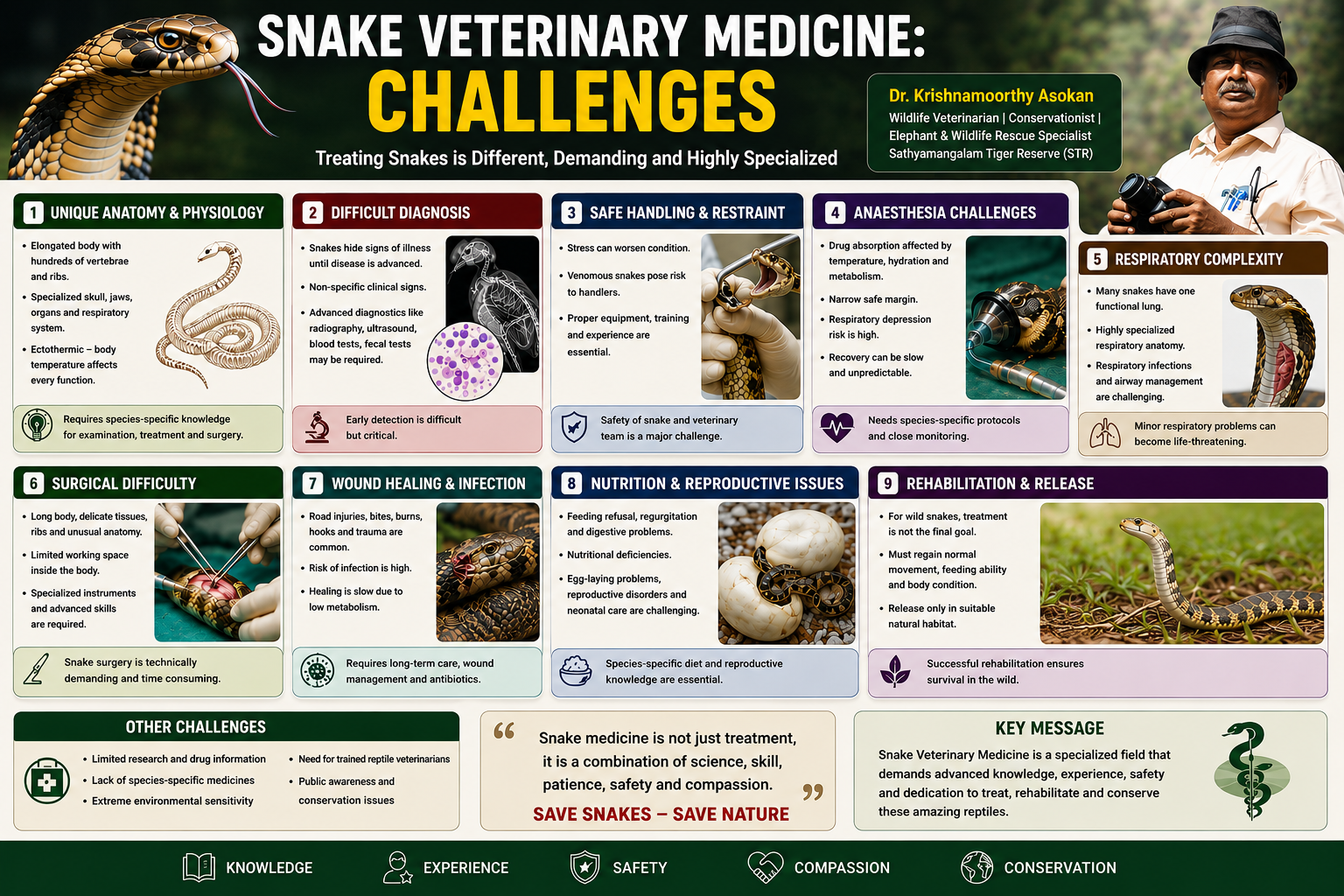
Facing the Challenges of Snake Surgery
- Dr. Krishnamoorthy Asokan has faced numerous challenges while treating and performing surgery on injured and diseased snakes. Snake surgery is technically demanding because of their unique anatomy, elongated body, delicate tissues, specialized respiratory system, ectothermic physiology, and difficulty in safe restraint. Every case requires careful examination, appropriate anaesthesia, precise surgical technique, continuous monitoring, and meticulous post-operative care.
- Working with venomous and non-venomous snakes adds another level of risk. Injuries such as road trauma, deep wounds, abscesses, foreign bodies, eye problems, and other complicated conditions can require specialized procedures. Despite these challenges, his work demonstrates the importance of combining veterinary science, patience, experience, safety, and compassion in snake medicine and wildlife conservation.
- 1. Pre-anaesthetic Assessment: Before anaesthesia, the snake should be assessed for species, body weight, hydration, body condition, respiratory status, temperature, injury, and underlying disease. Stabilization is particularly important in weak or severely injured animals.
- 2. Temperature Management: Snakes are ectothermic, so their body temperature strongly influences metabolism and drug effects. An appropriate species-specific temperature range should be maintained before, during, and after anaesthesia, avoiding both overheating and excessive cooling.
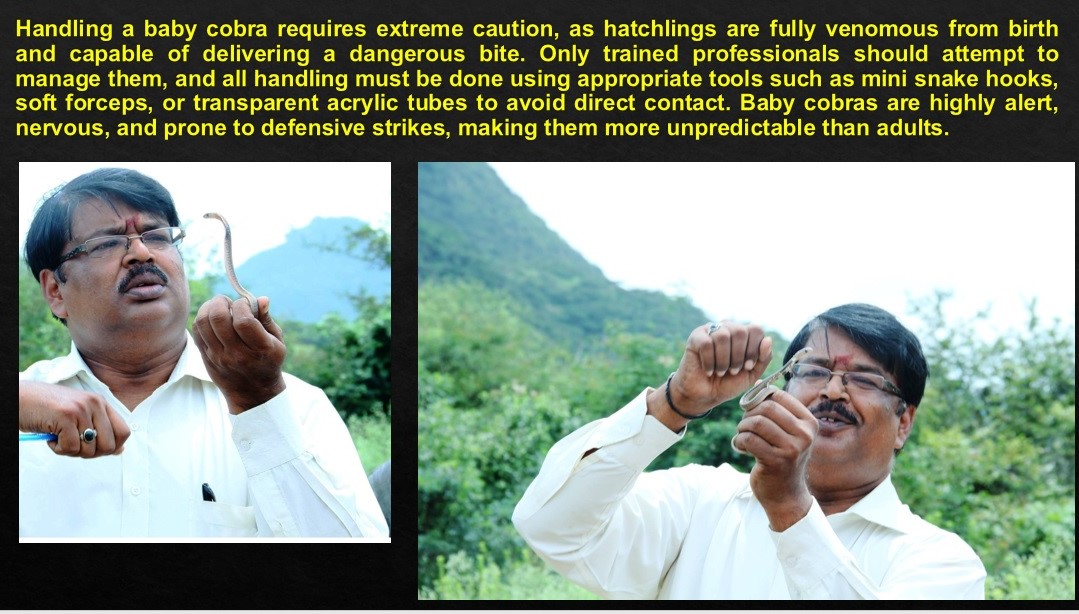
- 3. Safe Restraint: Proper restraint reduces stress and protects both the snake and veterinary team. Venomous species require specialized handling protocols, appropriate equipment, and trained personnel.
- 4. Choice of Anaesthetic: Anaesthetic protocols should be selected according to the species, procedure, health status, and available monitoring equipment. Reptile drug responses can differ considerably from those of mammals.
- 5. Respiratory Monitoring: Respiratory function requires particular attention because snakes have specialized respiratory anatomy. During anaesthesia, the veterinary team should monitor breathing closely and provide assisted ventilation when clinically indicated.
- 6. Monitoring During Surgery: Important parameters include respiration, heart rate, reflexes, body temperature, oxygenation where available, and depth of anaesthesia. Continuous observation helps identify complications early.
- 7. Fluid and Supportive Care: Dehydrated, debilitated, or traumatized snakes may require carefully calculated fluid and supportive therapy. The treatment plan should be individualized according to the animal's condition.
- 8. Recovery Care: Recovery should take place in a quiet, secure, appropriately warmed enclosure under close observation. The snake should be monitored until protective reflexes, normal posture, and adequate spontaneous respiration have returned.
- 9. Post-treatment Rehabilitation: After anaesthesia and treatment, care may include wound management, medication, hydration, nutrition, and observation of movement and feeding behavior. For wildlife, the final goal is complete recovery and safe release into suitable habitat
Advanced Wildlife Veterinary Medicine: Caring for Injured and Diseased Snakes
Dr. Asokan is a pioneer in reptile conservation and one of India’s leading wildlife veterinarians specializing in snake surgery and treatment. He has extensive experience in rescue, clinical examination, diagnosis, and surgical management of injured and diseased snakes, including venomous and non-venomous species.
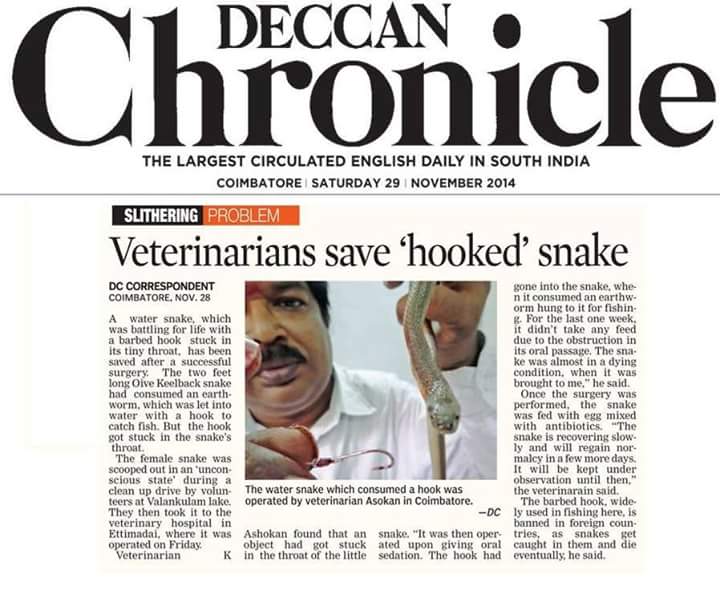
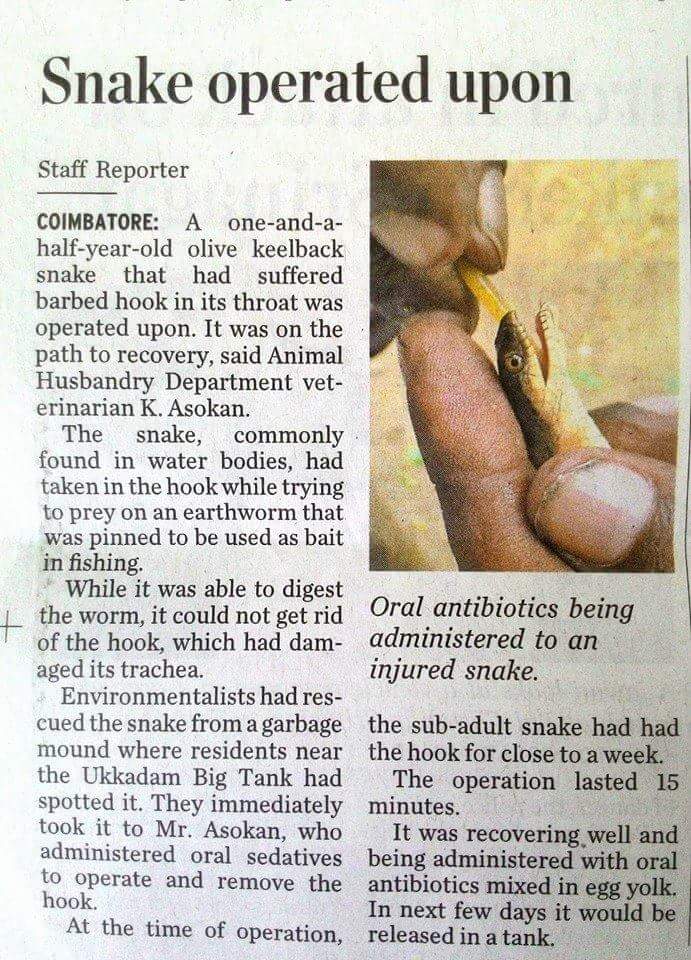
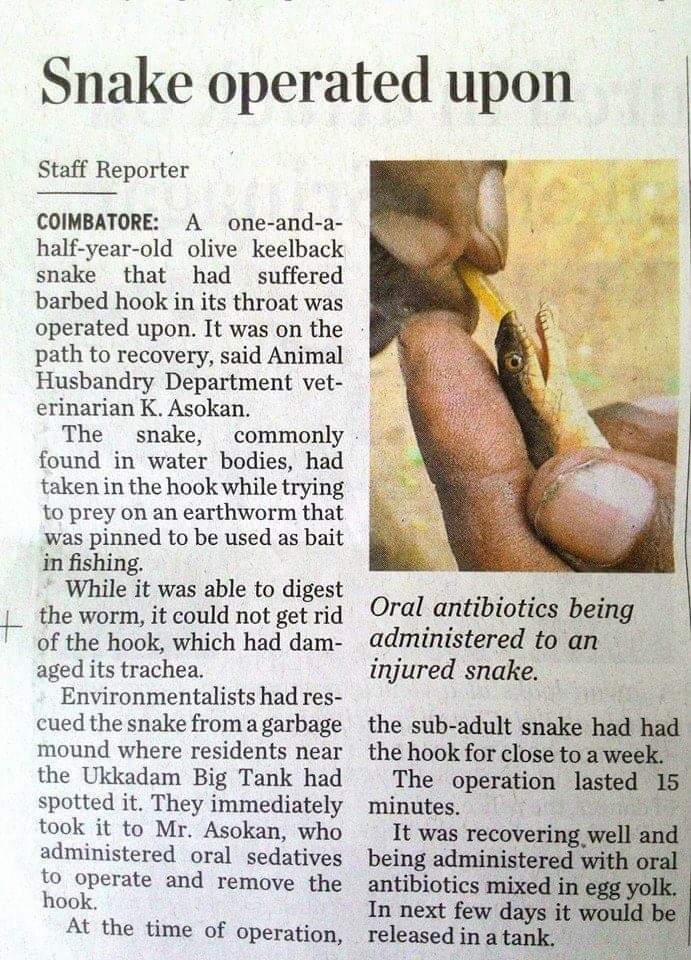
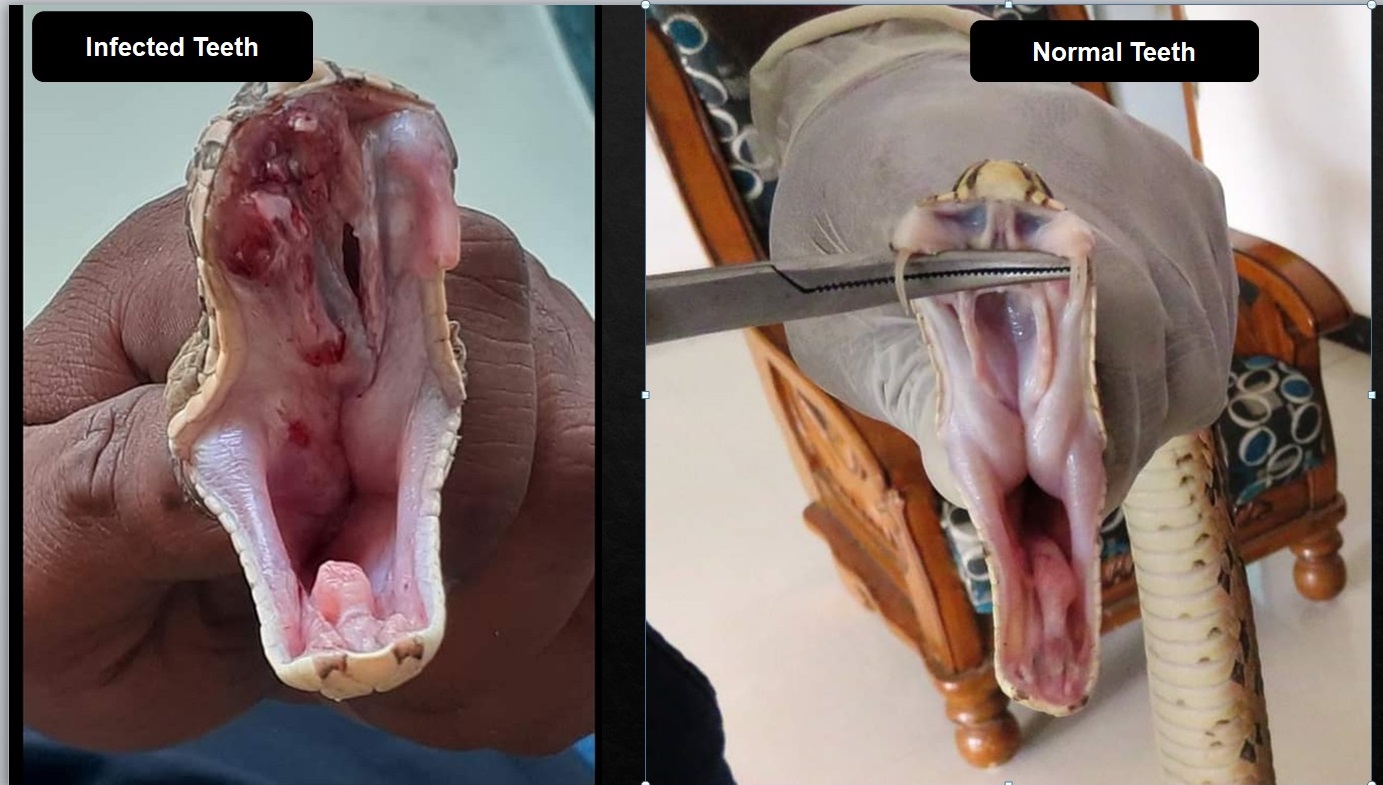
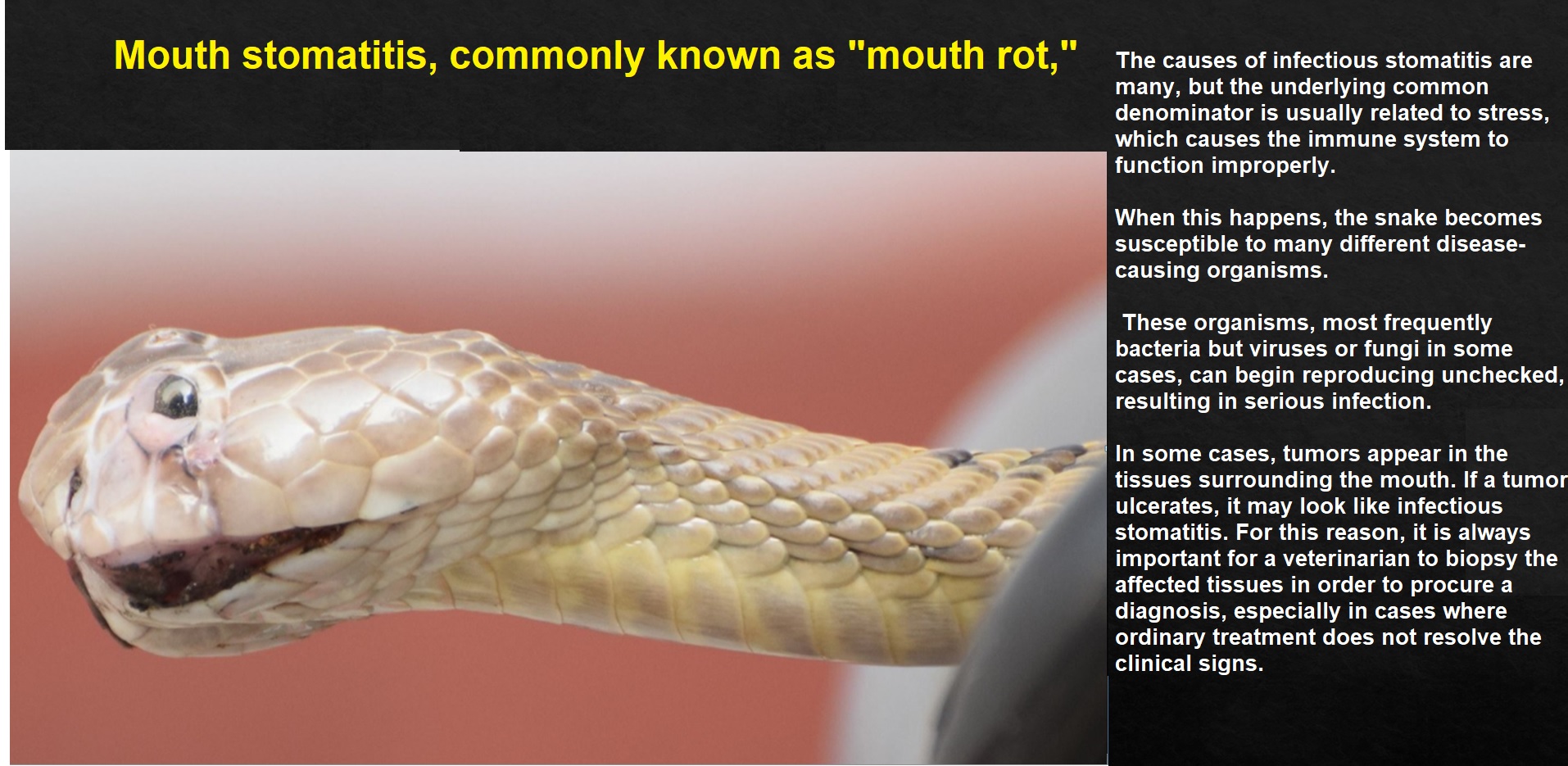
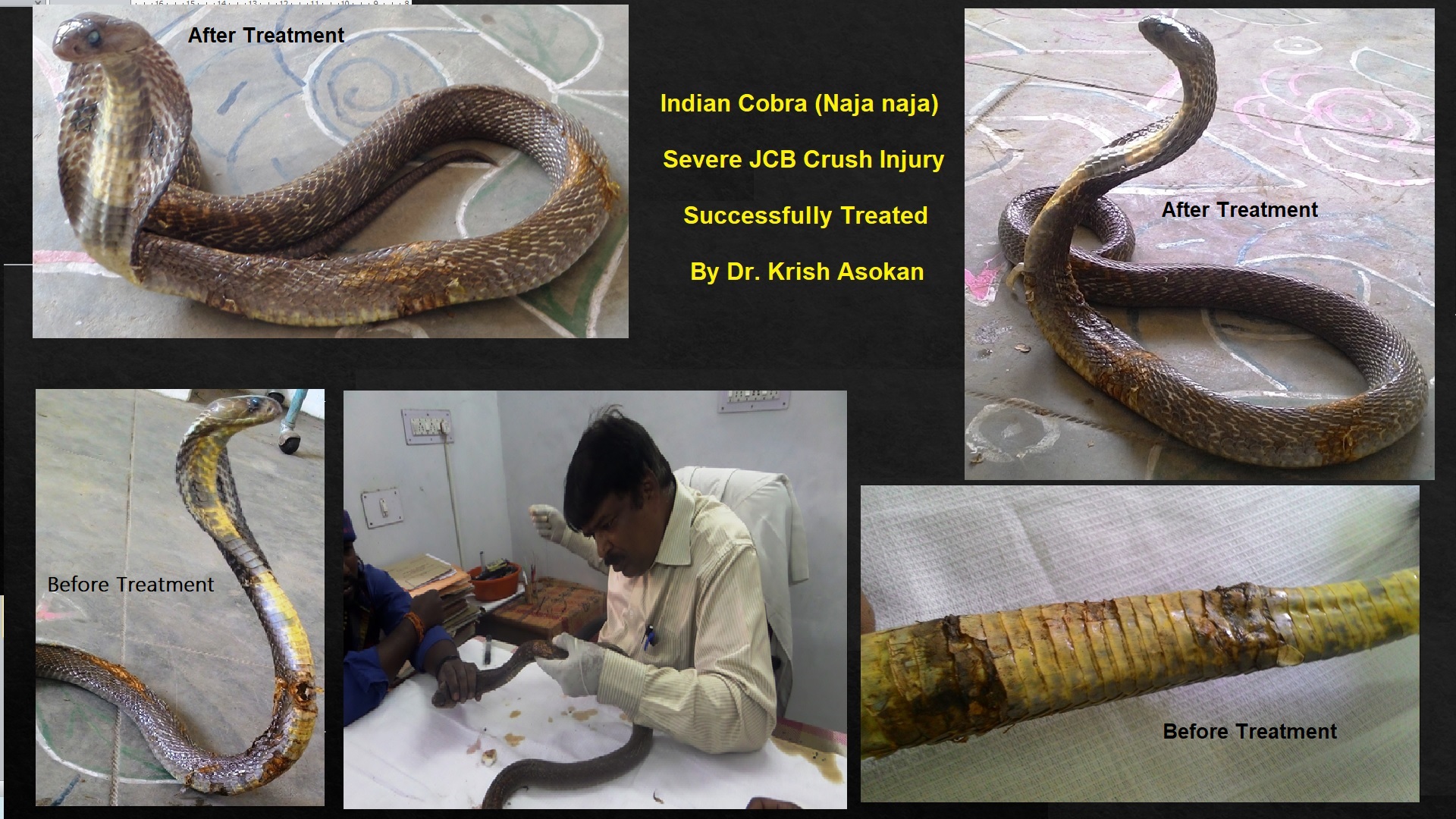
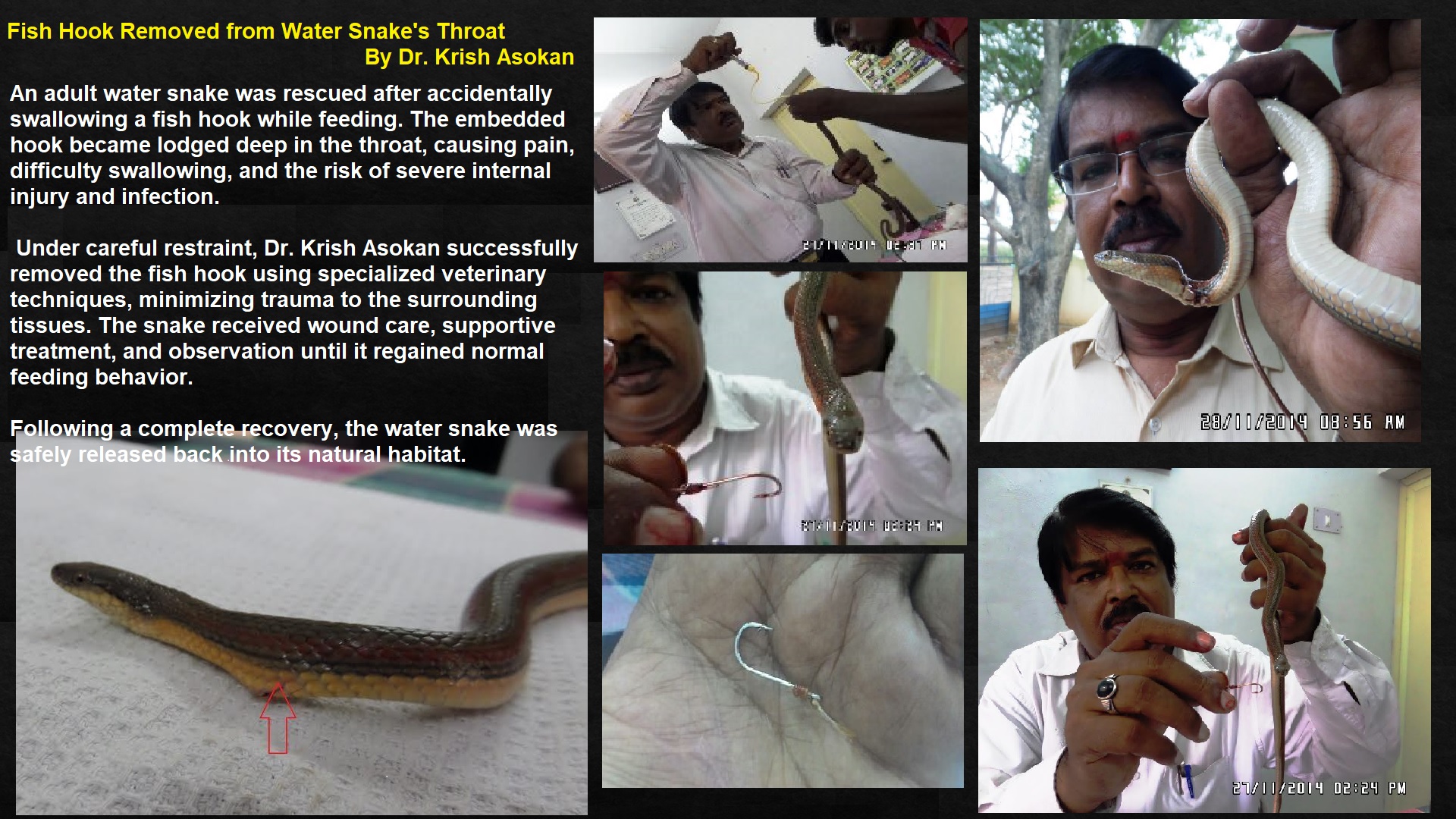
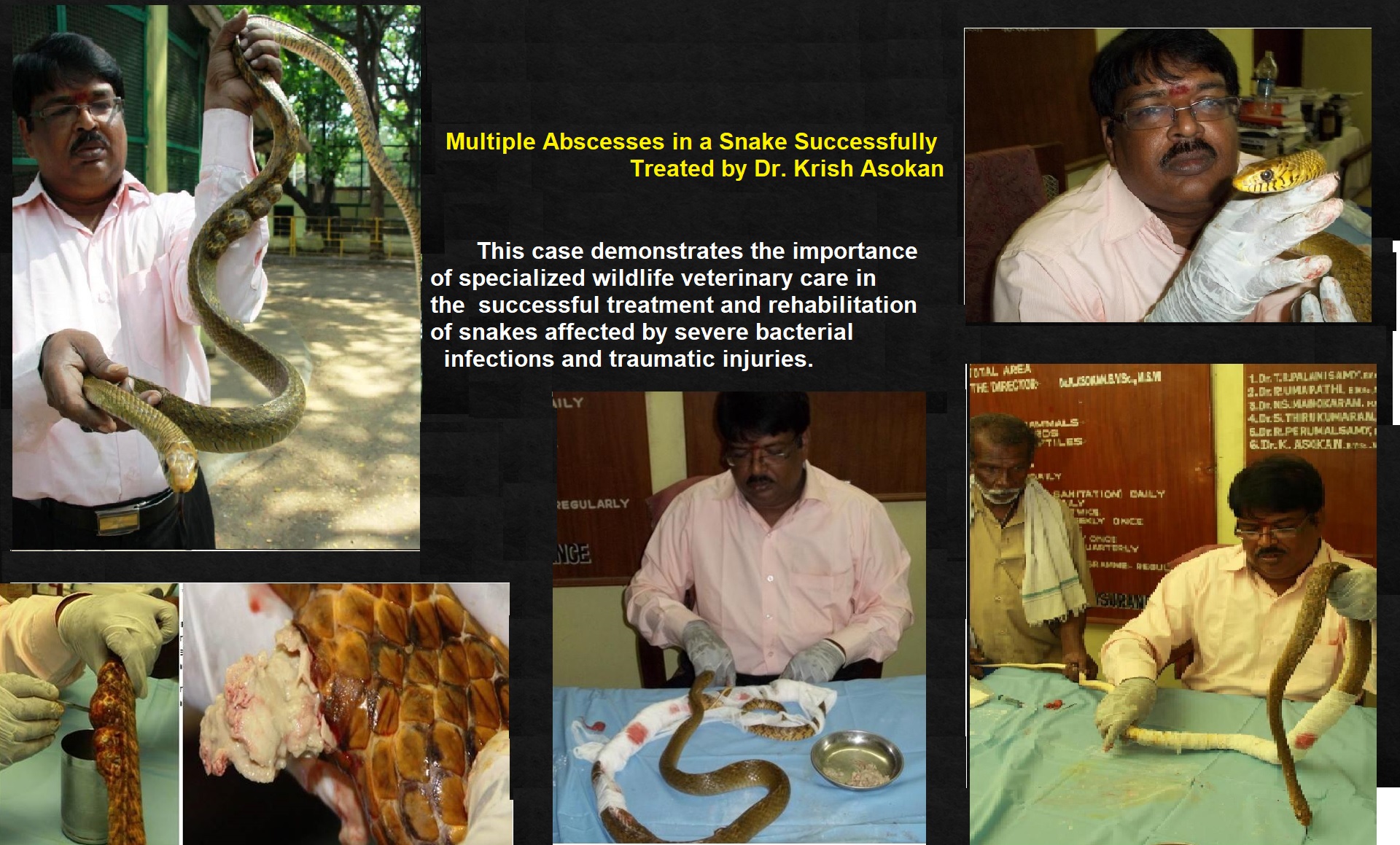
His expertise includes advanced wound management, fracture stabilization, treatment of eye disease, abscesses, bacterial and viral infections, stress-related disorders, cancer surgery, and removal of fish hooks and other foreign bodies. He has also managed severe traumatic injuries and complex rehabilitation cases.
In addition to clinical care, he has contributed through artificial egg incubation and hatching programmes, scientific rehabilitation, and safe release of recovered snakes into natural habitats.
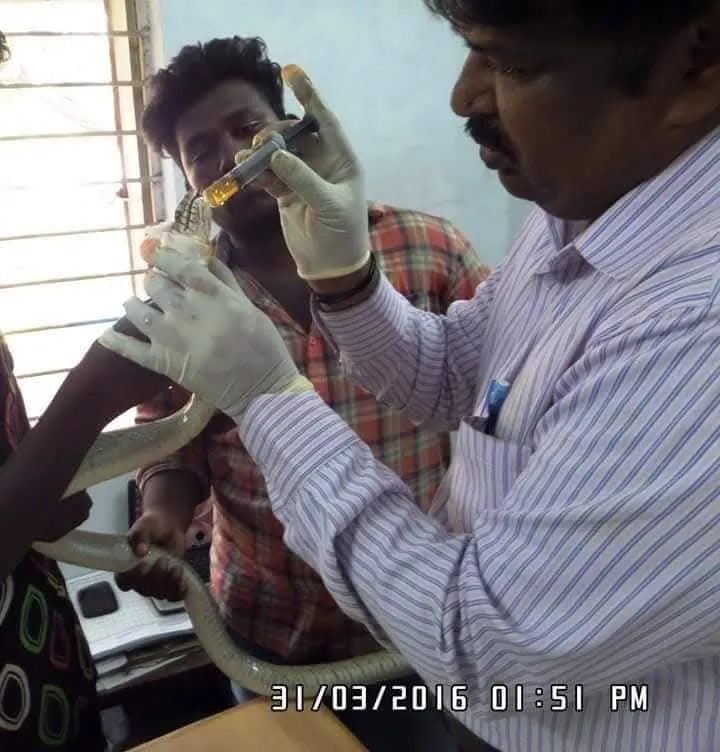
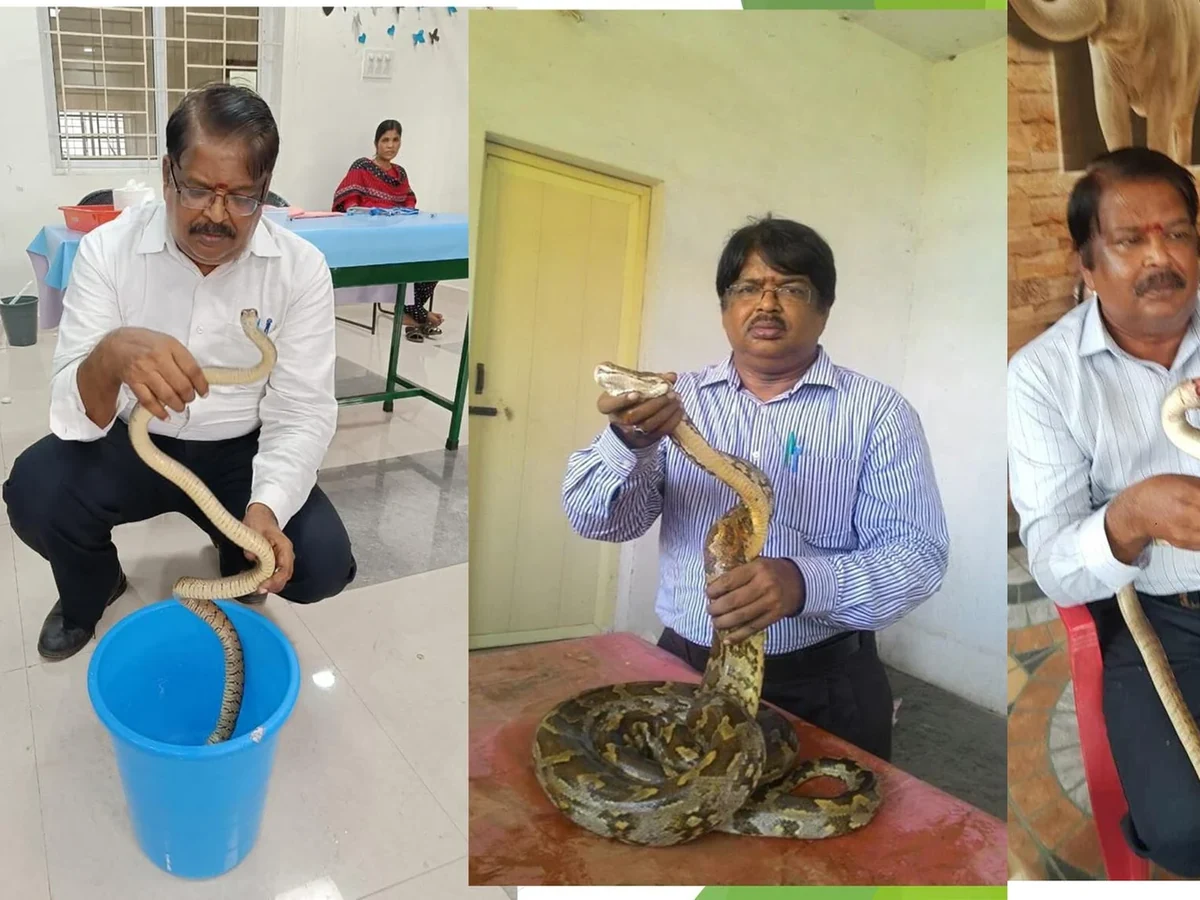
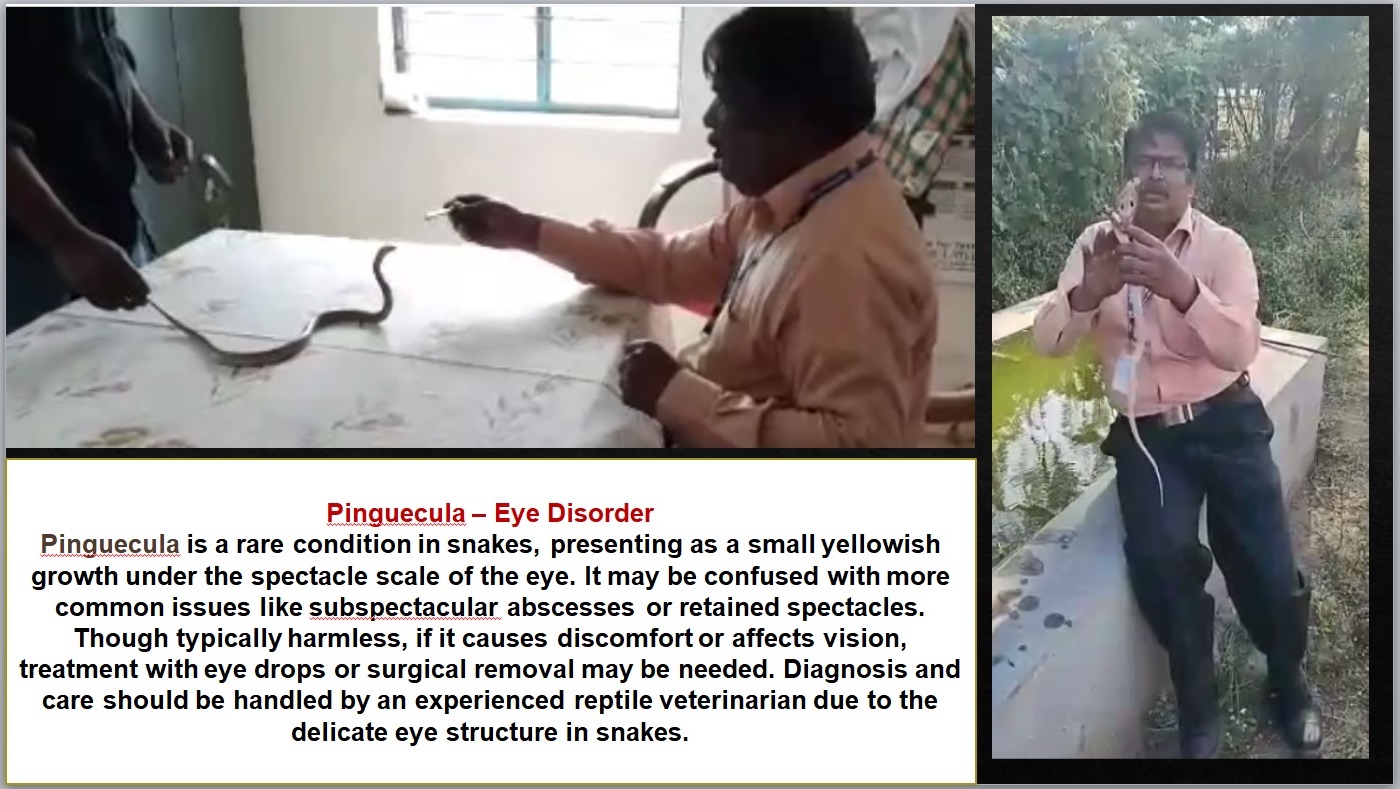
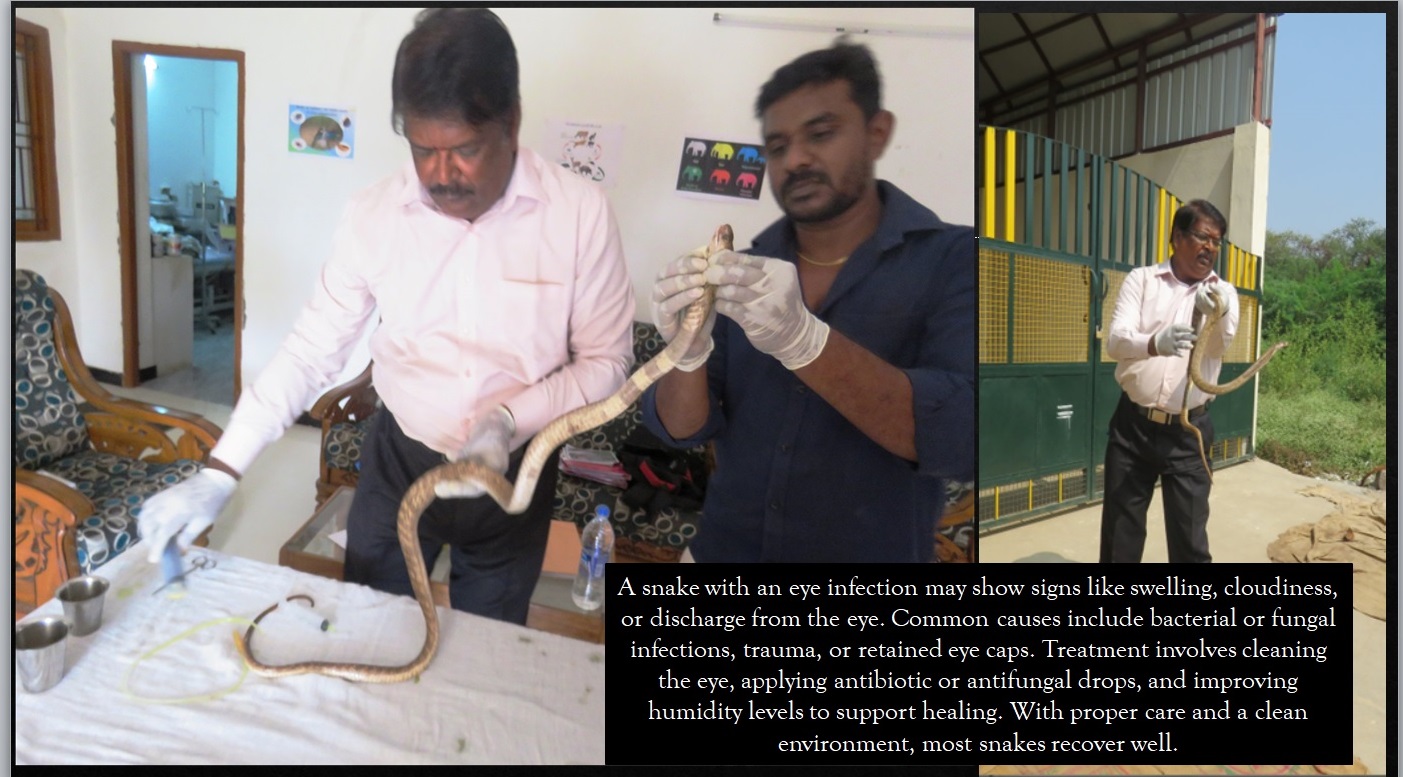
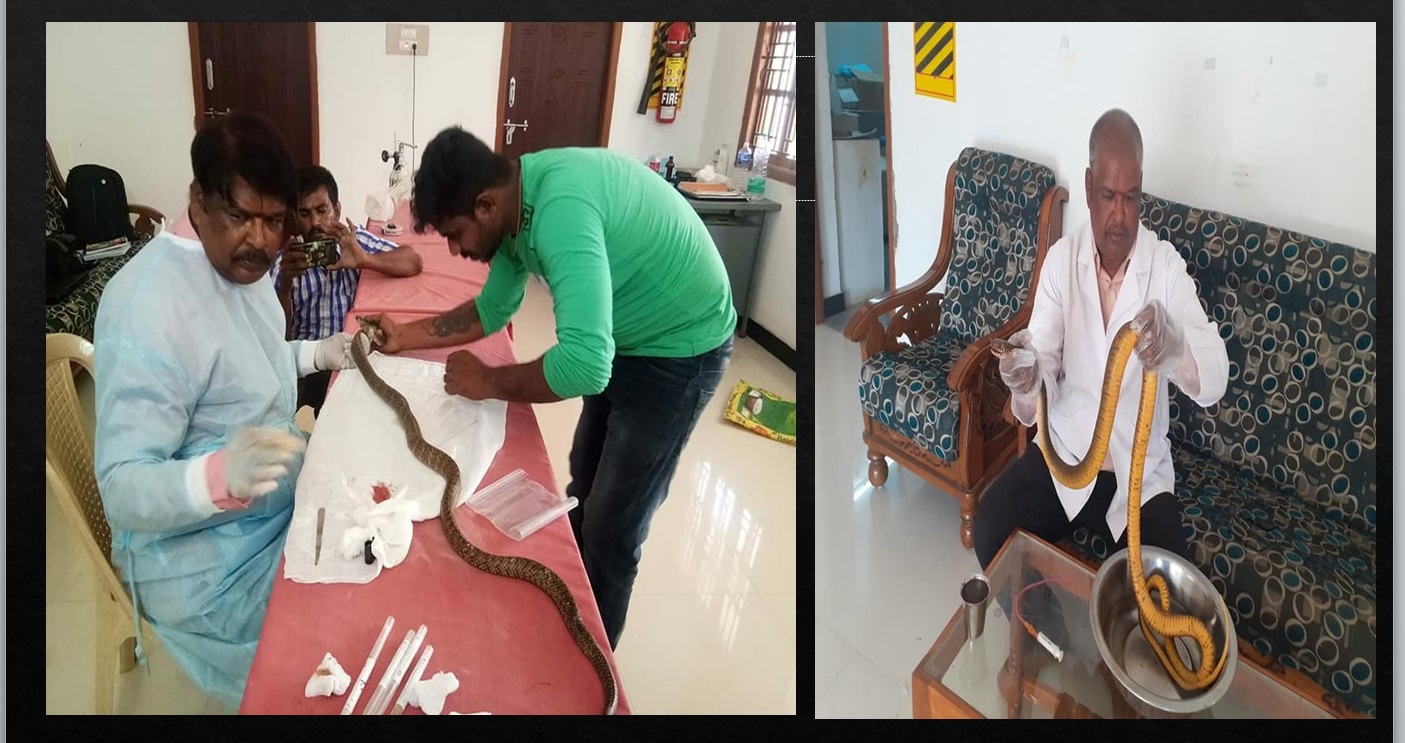
Landmark Snake Eye Disease Treatment
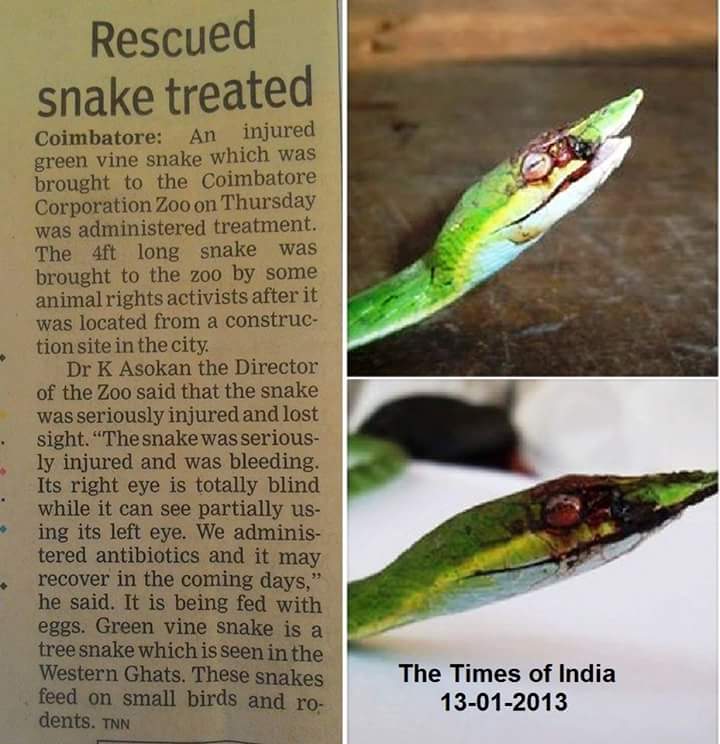
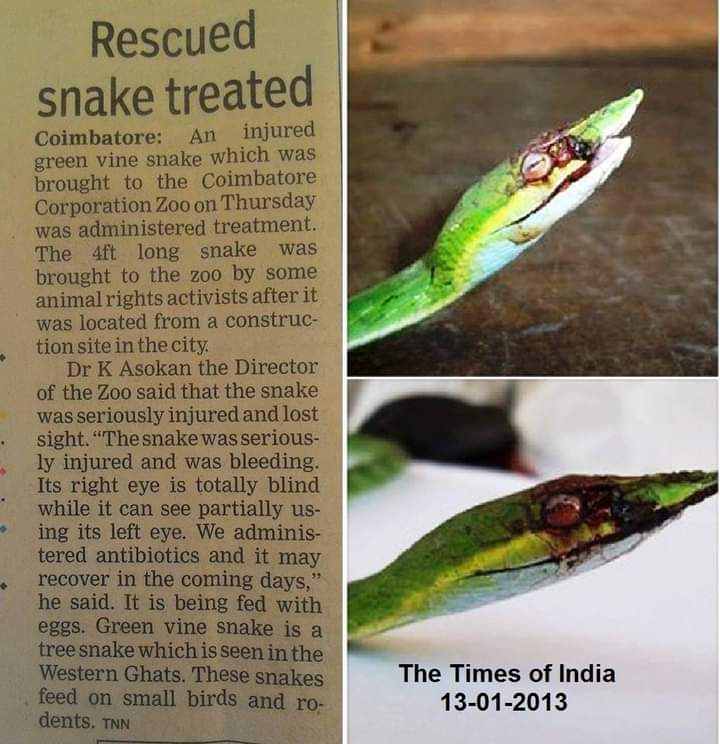
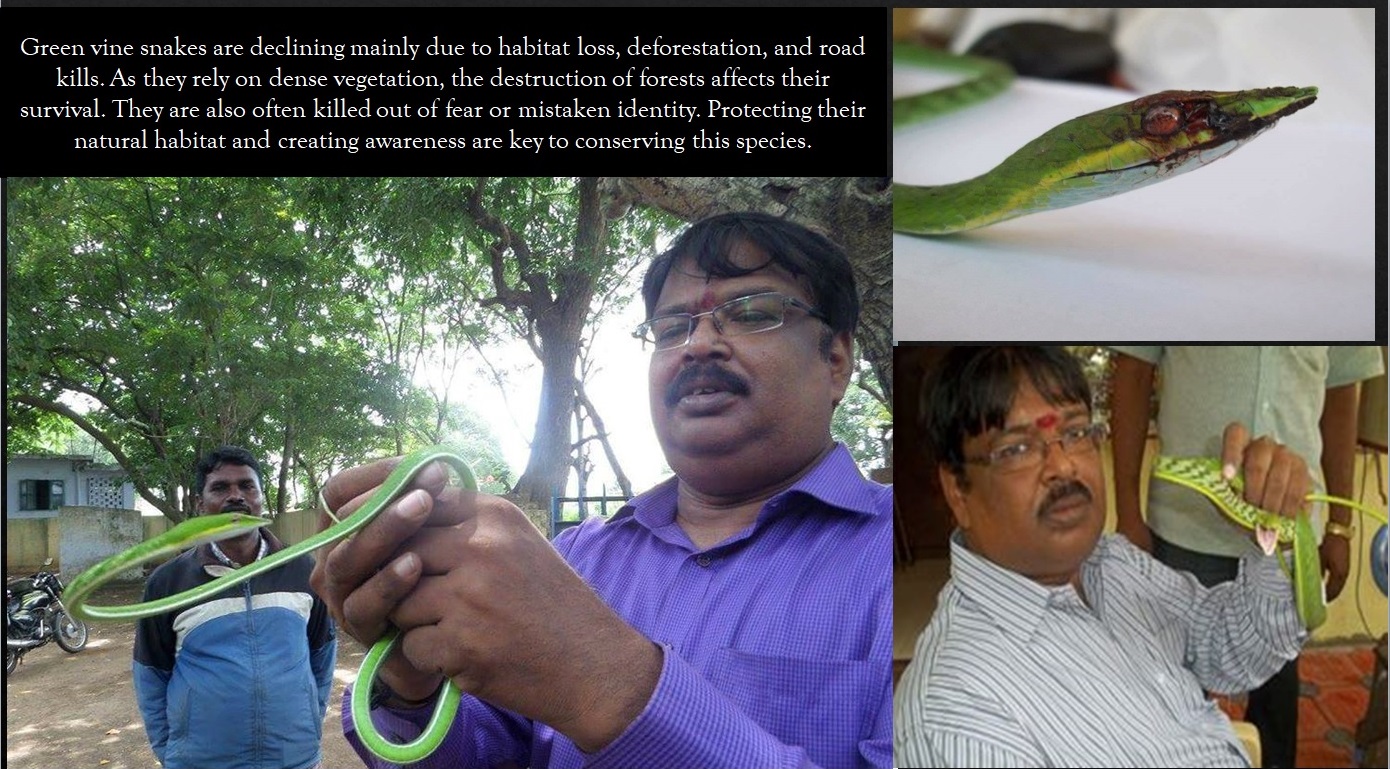
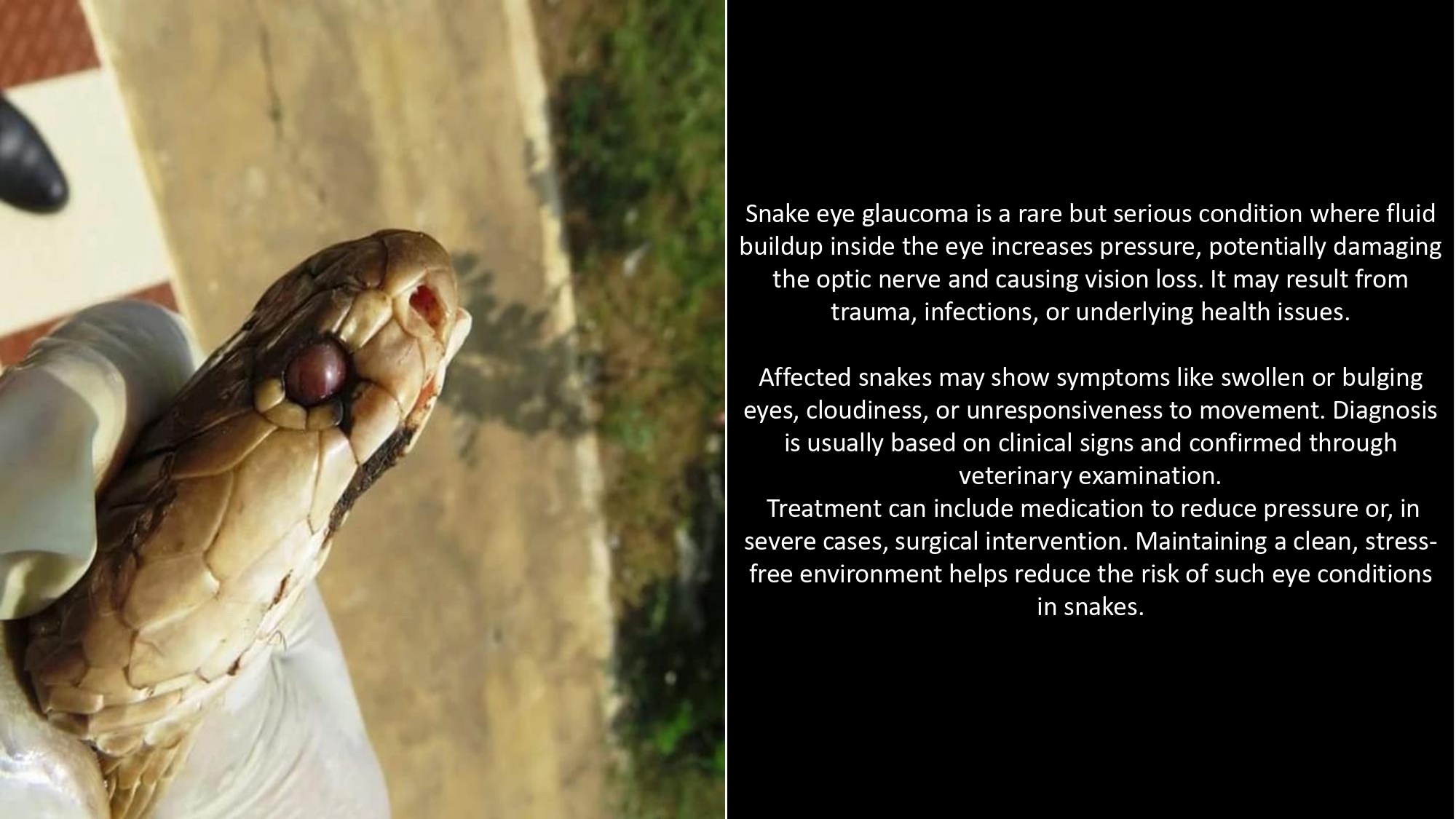
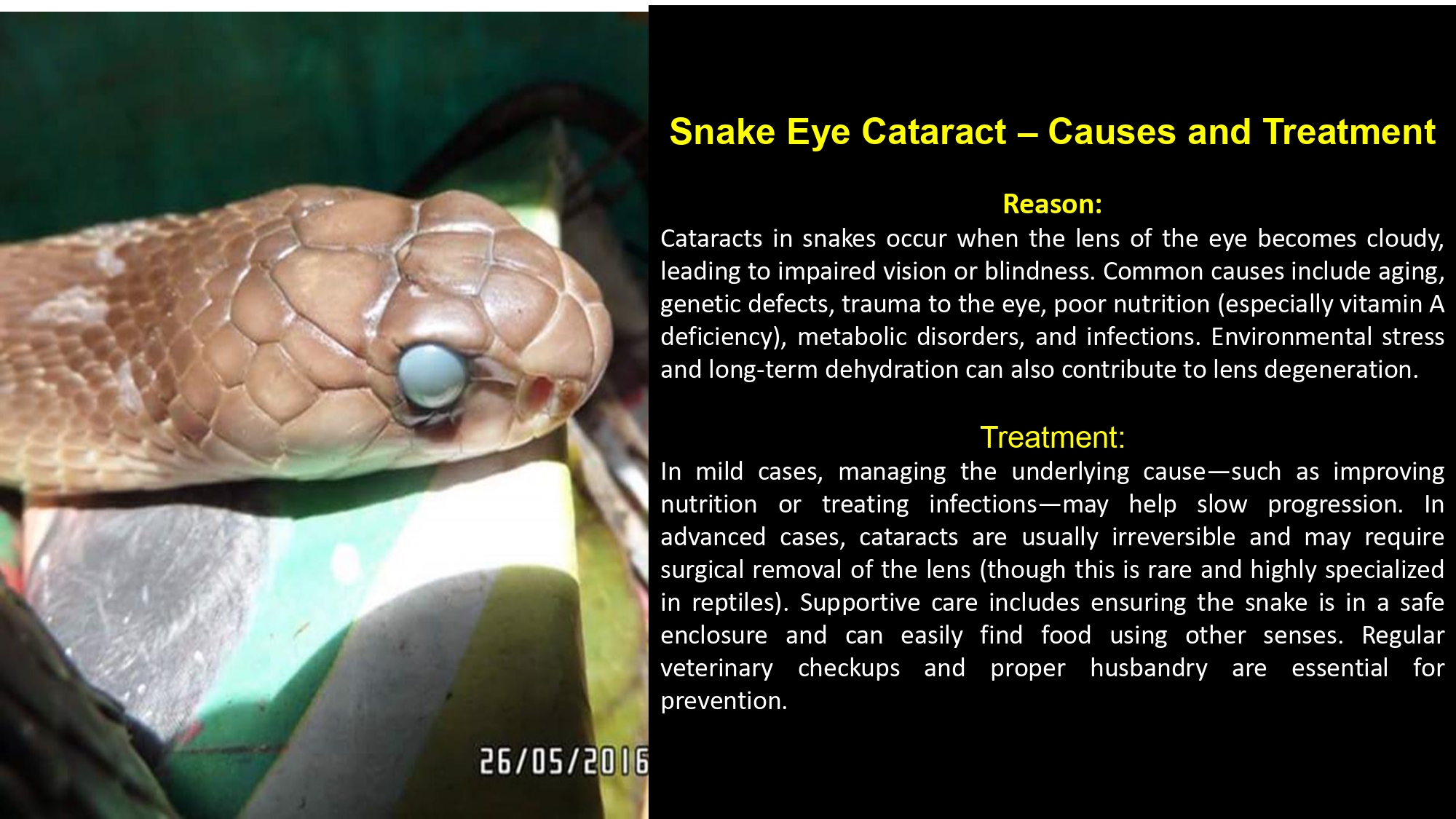
Dr. Krishnamoorthy Asokan examined and treated affected snakes using appropriate veterinary procedures, with the aim of restoring eye function and enabling successful rehabilitation. Such cases highlight the importance of specialised veterinary care for reptiles and the need to reduce pesticide use, water contamination, pollution, and other environmental threats that can affect wildlife health.
A Rare Tumour Case :Lipoma in a Russell’s Viper – First Recorded Case
- Dr. Krishnamoorthy Asokan diagnosed and treated a rare tumour-like mass identified as a lipoma in a Russell's Viper (Daboia russelii). Lipoma is a benign growth composed primarily of mature fat cells and may appear as a localized swelling or mass beneath the skin or within body tissues.
- The case required careful clinical examination and evaluation of the abnormal swelling to differentiate it from other conditions such as an abscess, traumatic swelling, cyst, or malignant tumour. Because Russell's Vipers are highly venomous, examination and treatment require specialized snake-handling and veterinary expertise.
- According to the information you provided, this was recorded by Dr. Krishnamoorthy Asokan as a rare case of lipoma in a Russell's Viper. For a scientific publication or an official claim of “first time in India/world,” the original case records, histopathology report, and literature review would be needed to verify the priority claim. Published literature does document other unusual diseases in Russell's Vipers, demonstrating the importance of detailed disease investigation and case documentation
Pioneering surgical treatment of tumours in rescued snakes
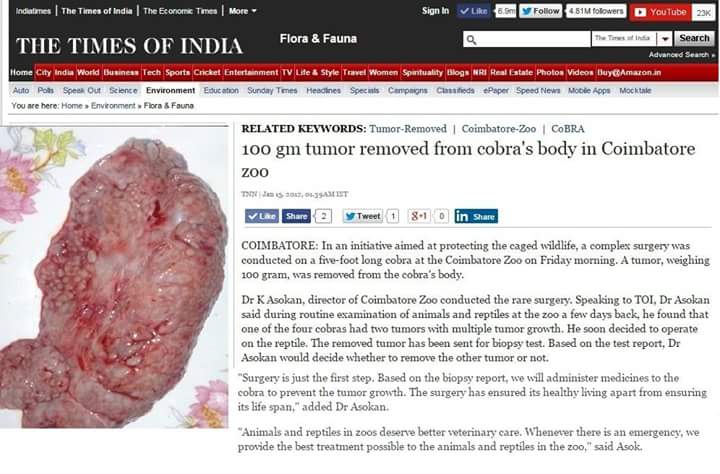
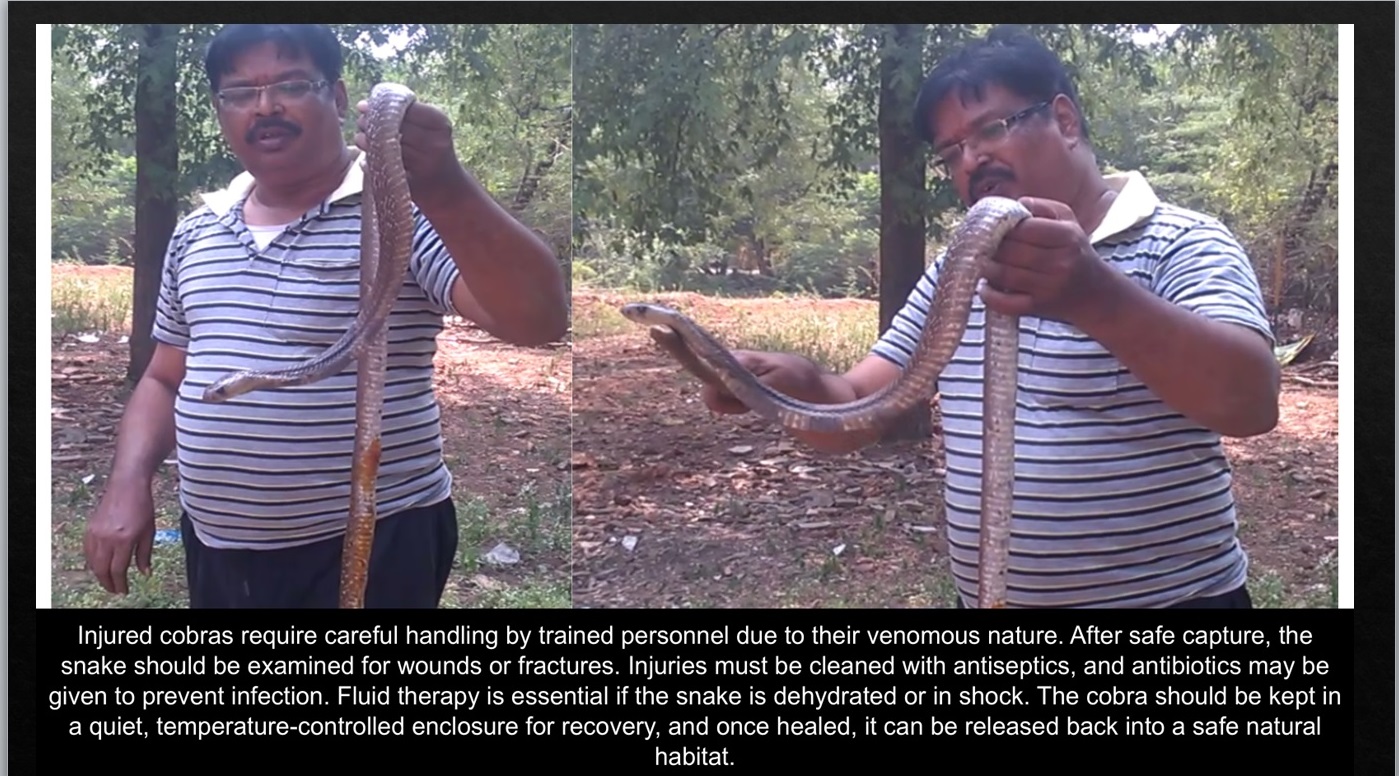
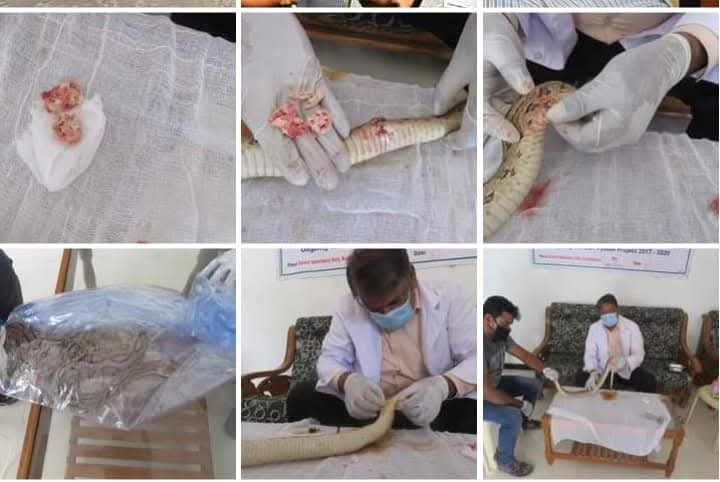
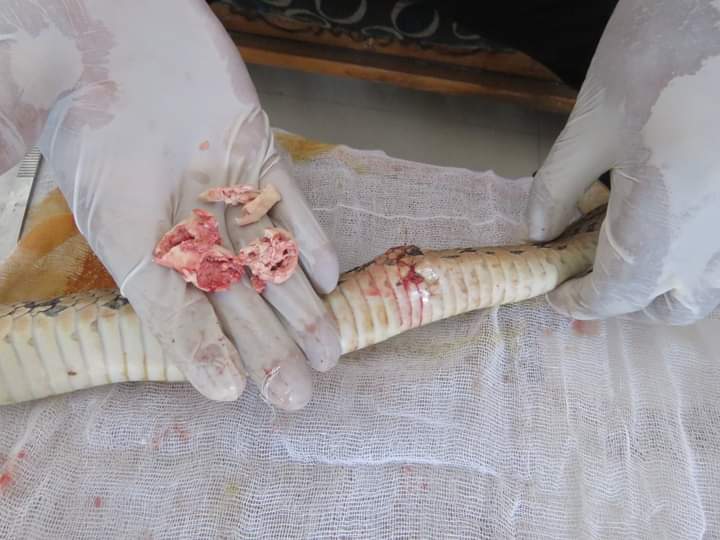
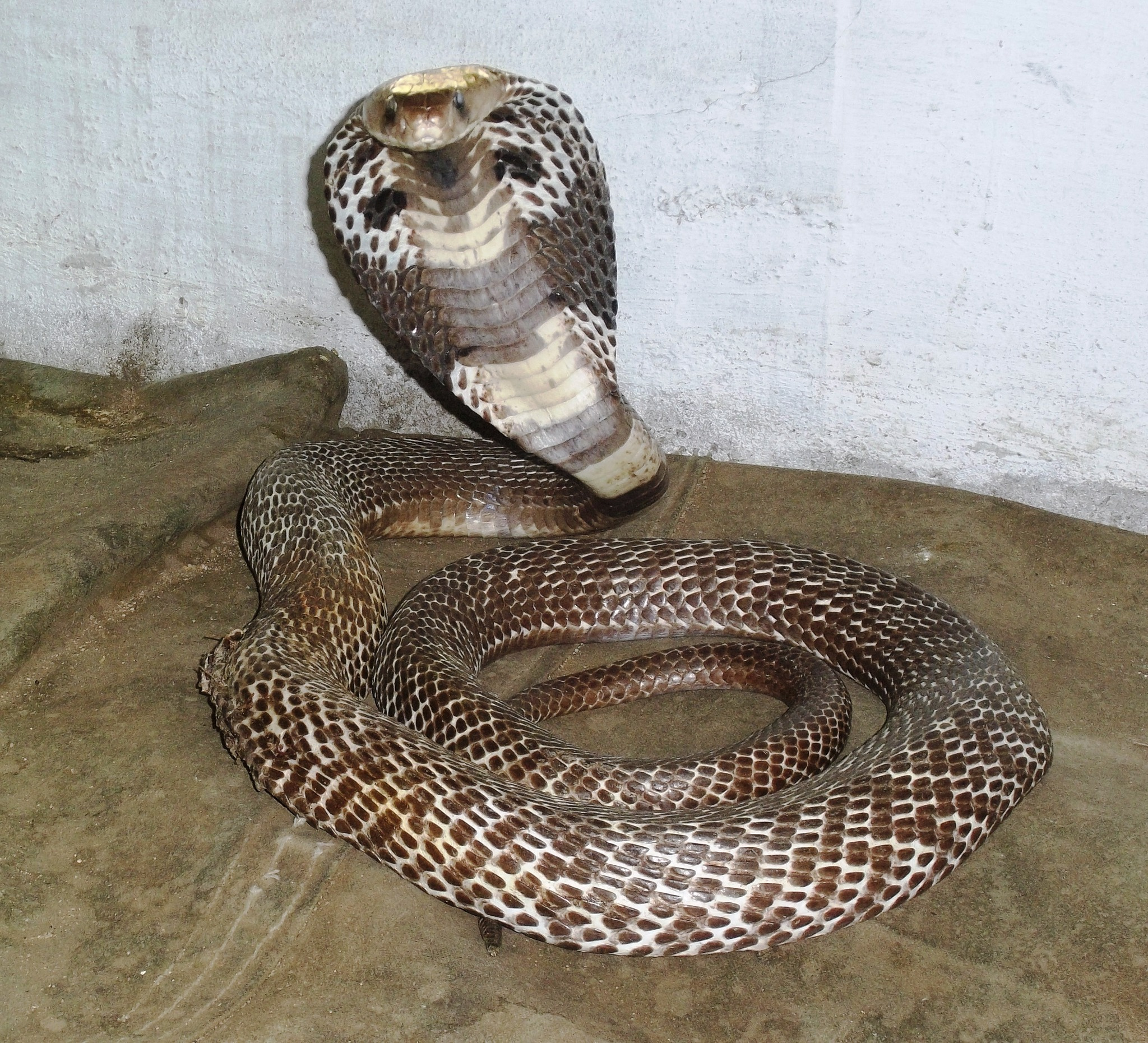
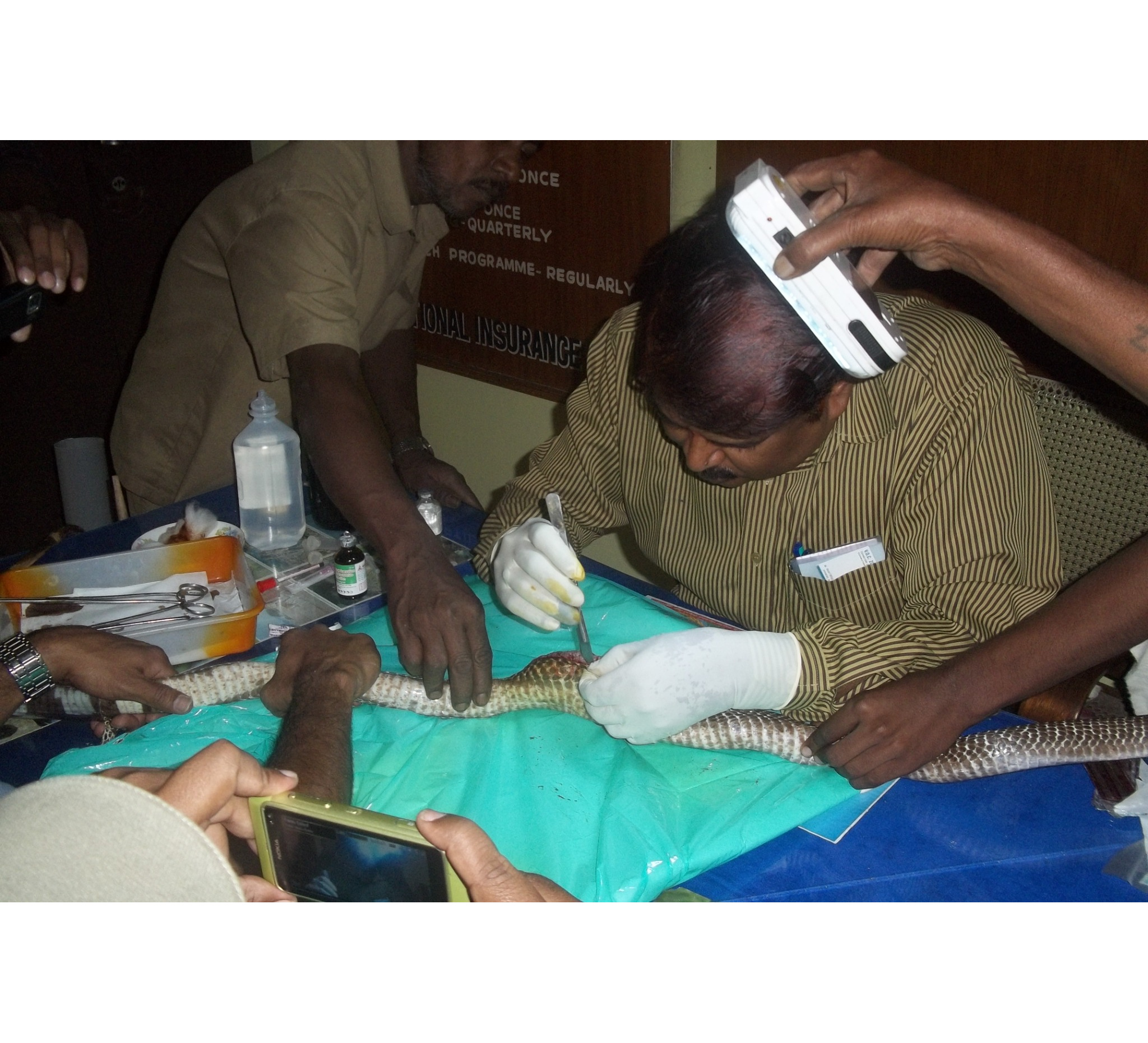
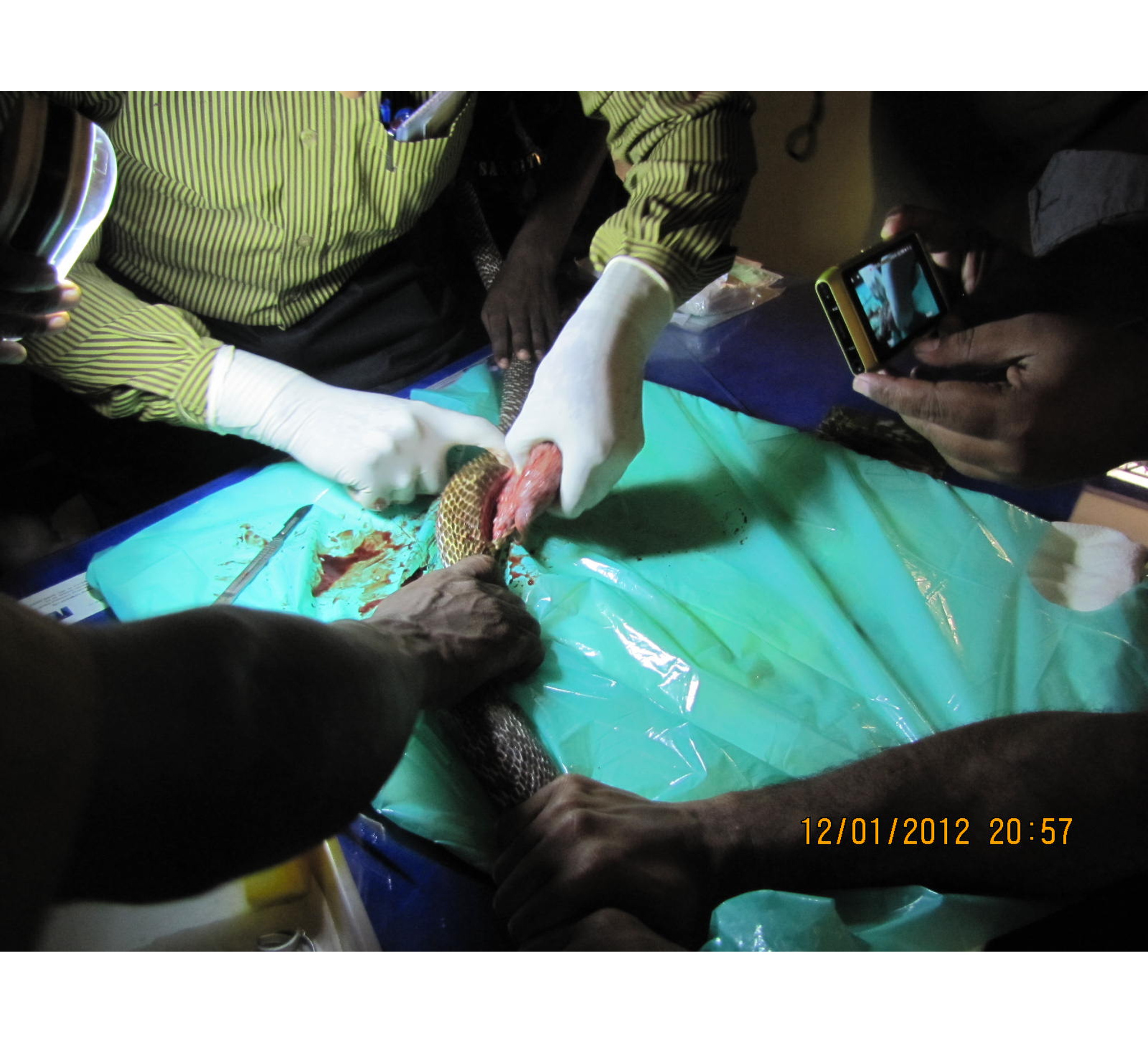
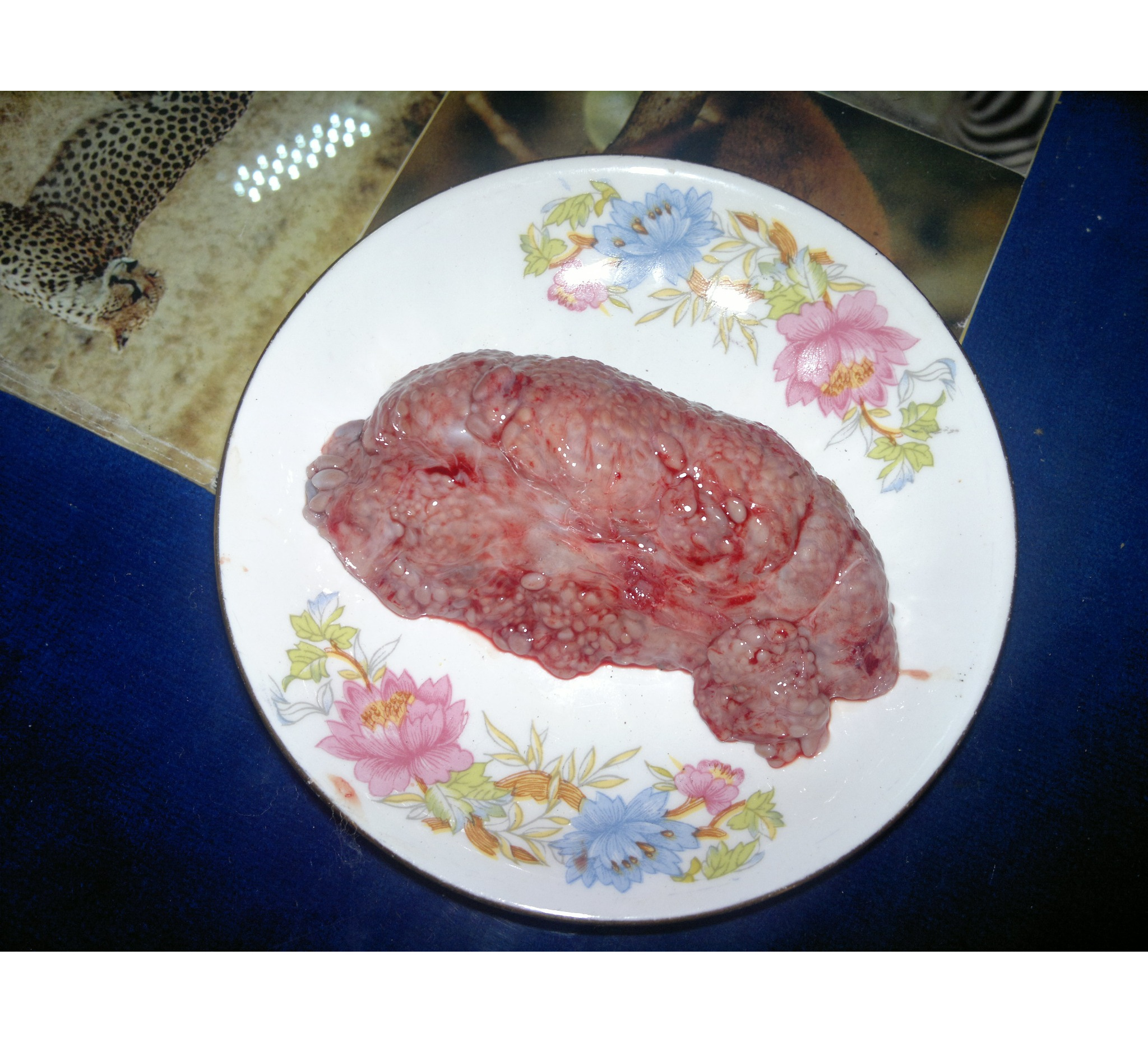
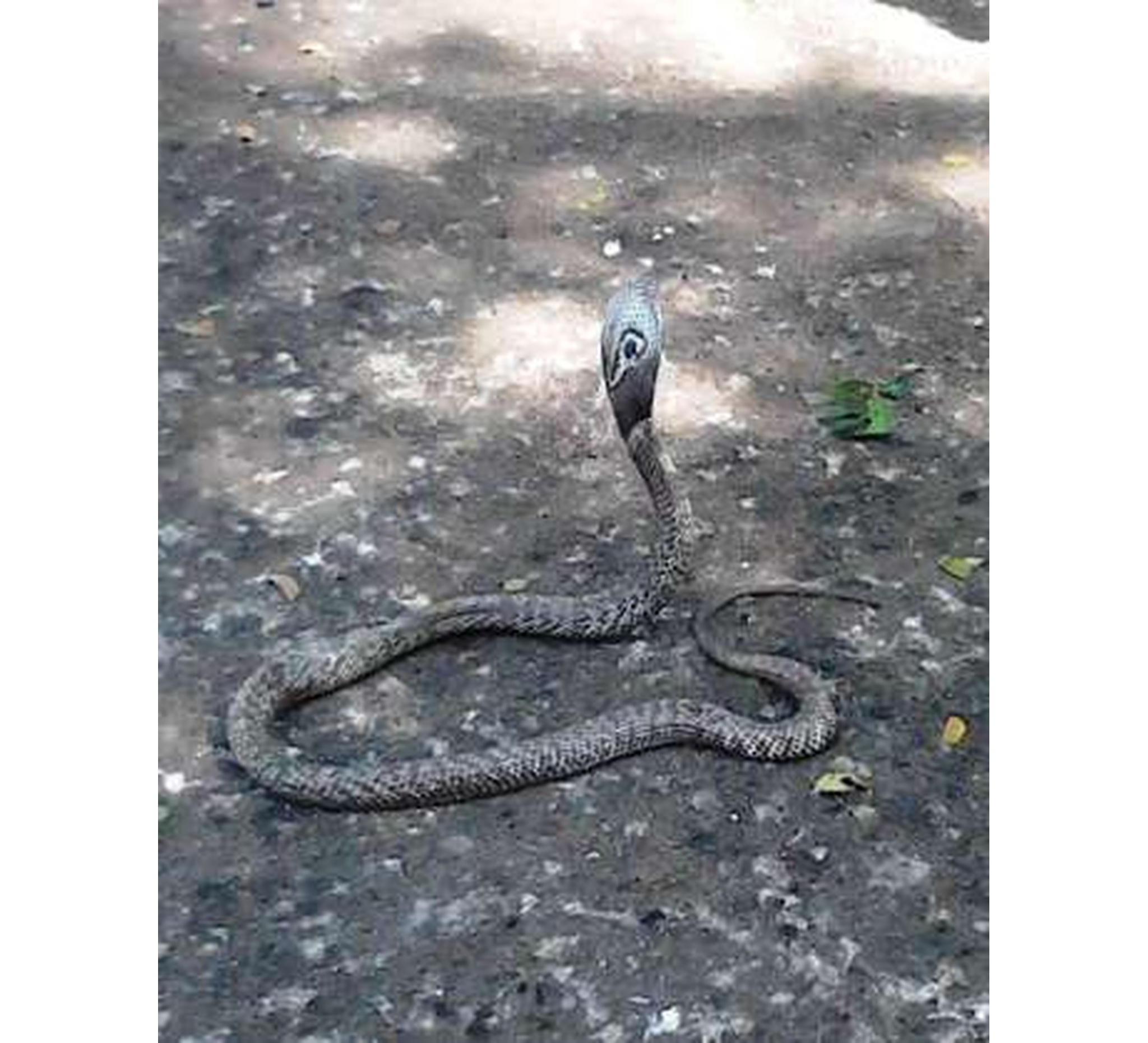
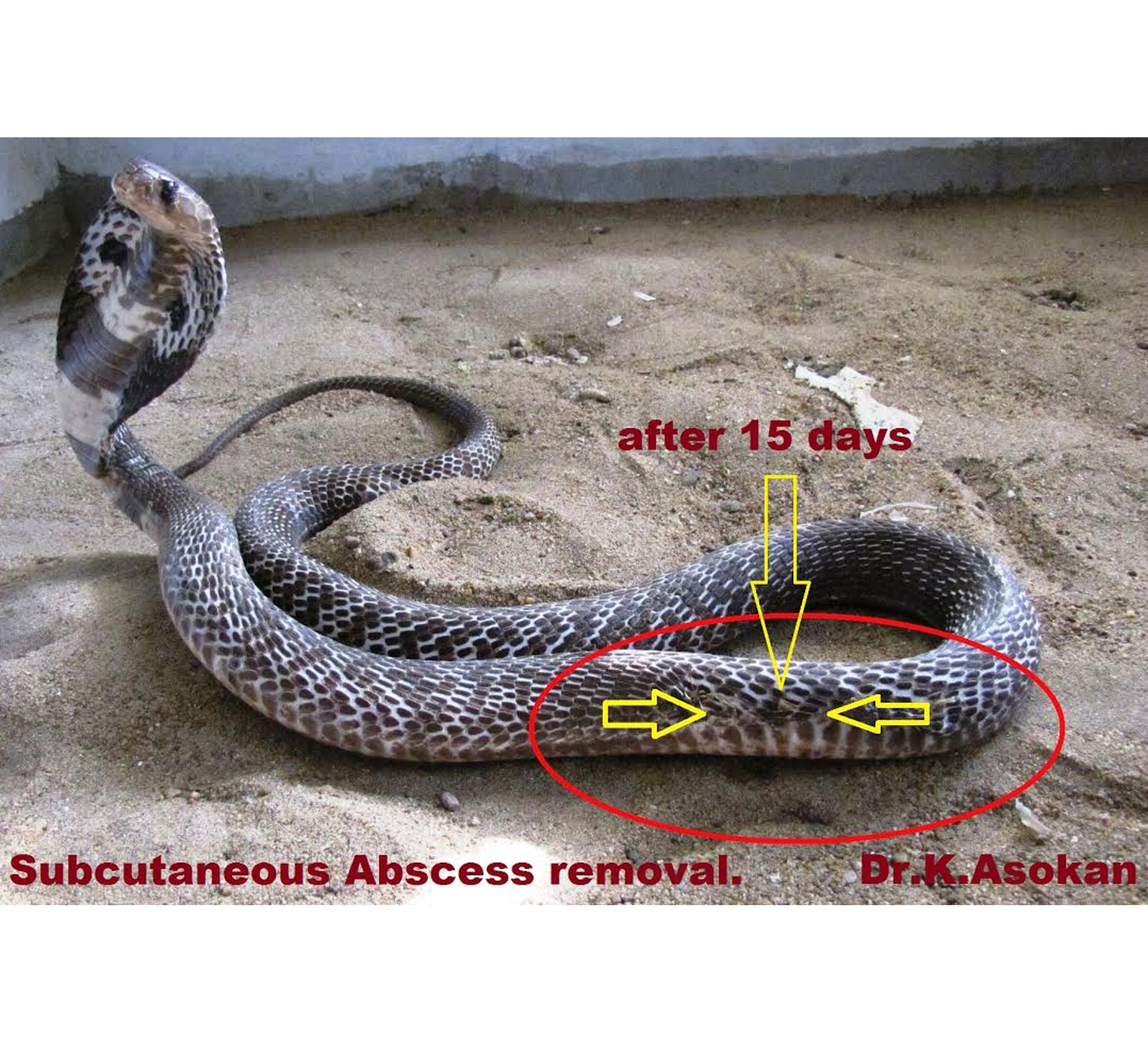
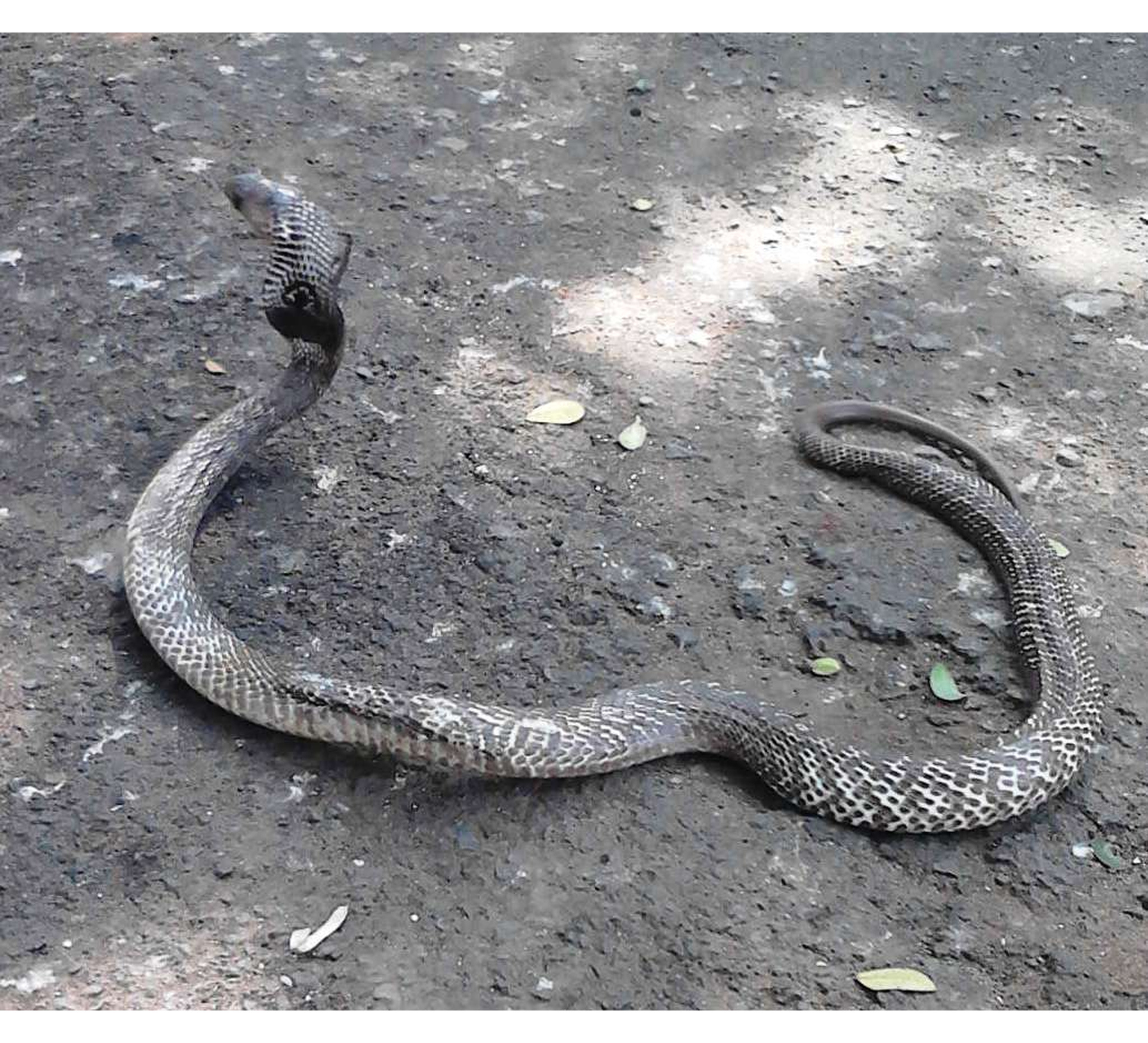
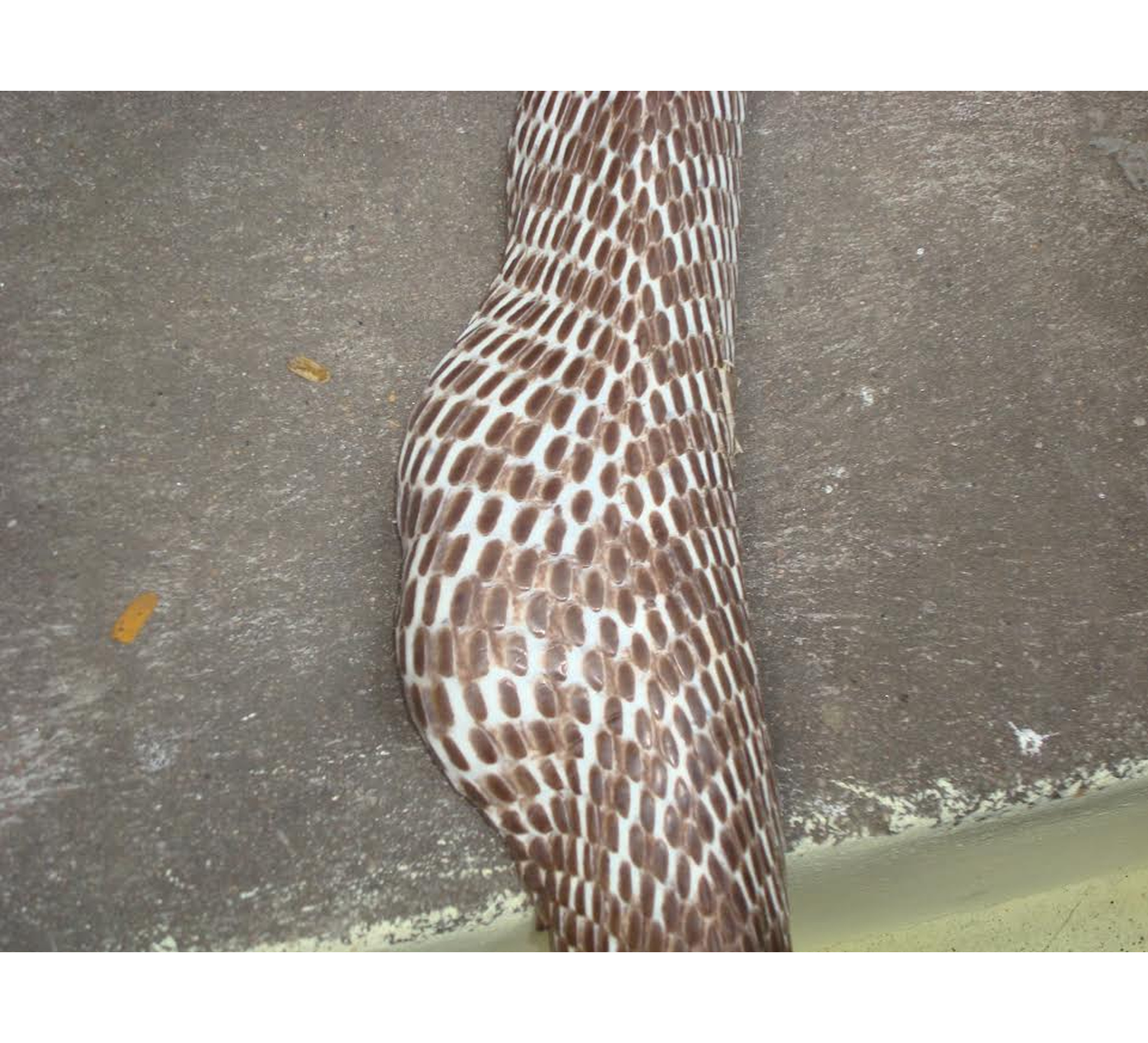
Dr. A cobra affected by a benign tumour was successfully examined and treated by Dr. Krishnamoorthy Asokan. The case involved careful clinical assessment of the abnormal growth, specialized handling of the venomous snake, and appropriate veterinary treatment. Such cases highlight the importance of snake oncology, accurate diagnosis, and specialized surgical and veterinary care in the treatment and rehabilitation of wild reptiles.
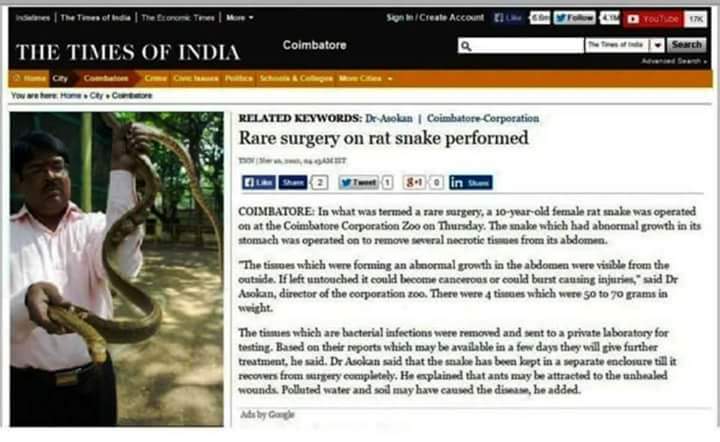
Tumours and other neoplastic diseases are documented in snakes, and surgery is a commonly reported treatment approach when removal is appropriate. A cobra may develop a benign tumour due to abnormal and uncontrolled growth of body cells. The exact cause is often unknown, but possible contributing factors include genetic changes, increasing age, previous injury, chronic irritation or inflammation, infections, and environmental stressors. In this case, the cobra affected by a benign tumour was carefully examined and treated by Dr. Krishnamoorthy Asokan, highlighting the importance of early diagnosis, specialized veterinary care, and appropriate treatment for diseases affecting wild snakes. Asokan pioneered cancer surgery in rescued snakes in Tamil Nadu. He successfully treated snakes affected by tumours, lipomas, and other surgical conditions using advanced veterinary techniques.Following treatment and rehabilitation, recovered snakes were released into their natural habitats. This work has contributed significantly to reptile medicine, wildlife rescue, and conservation of native snake species.
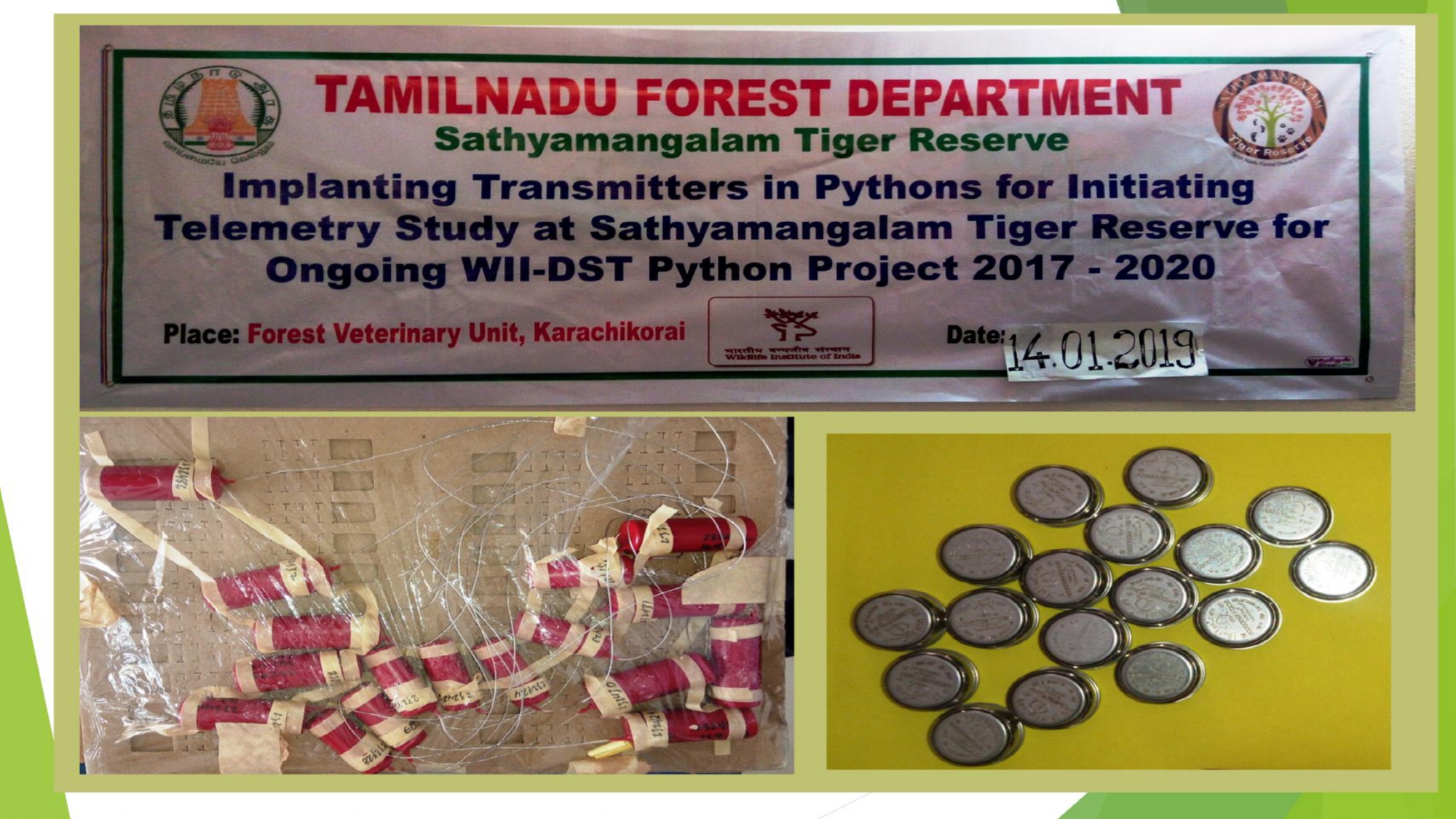
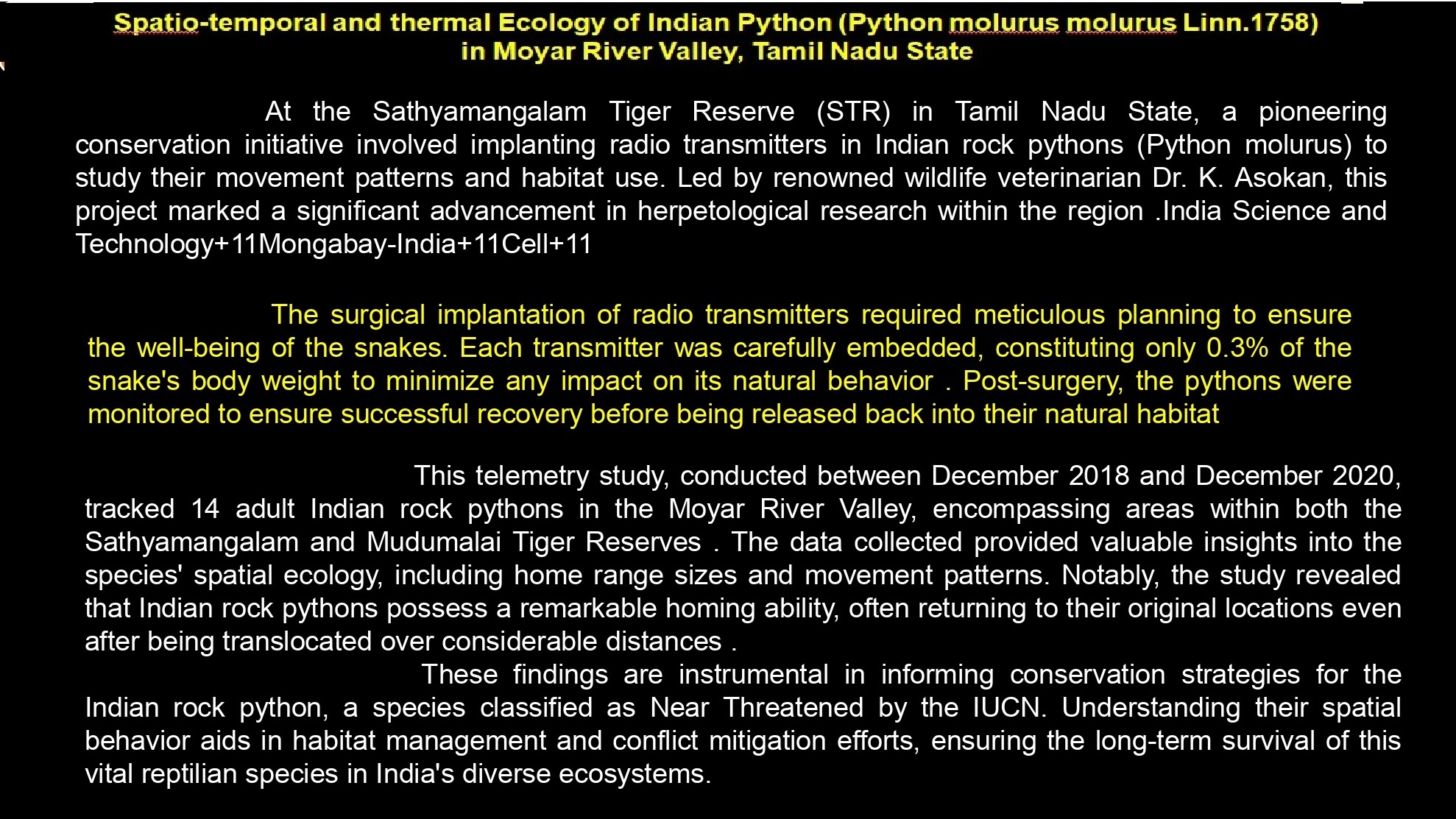
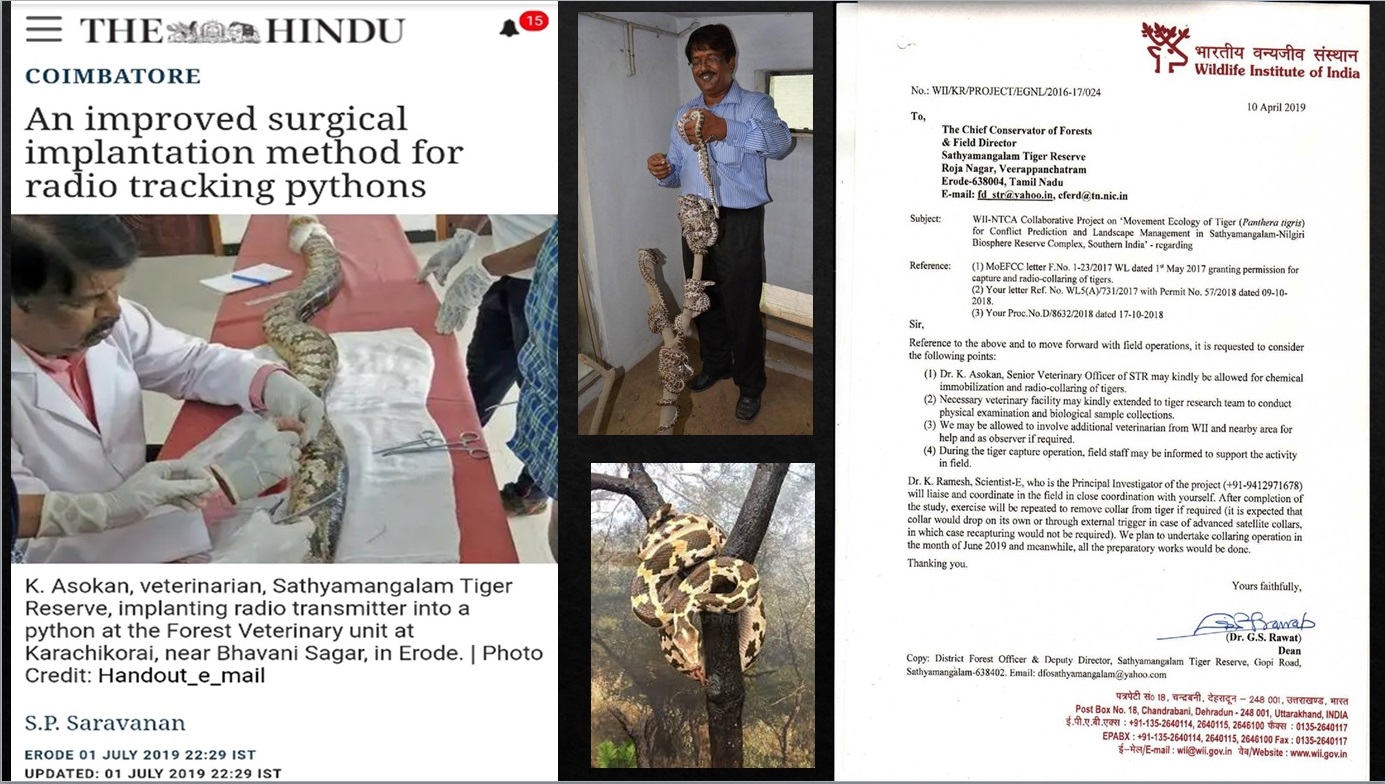
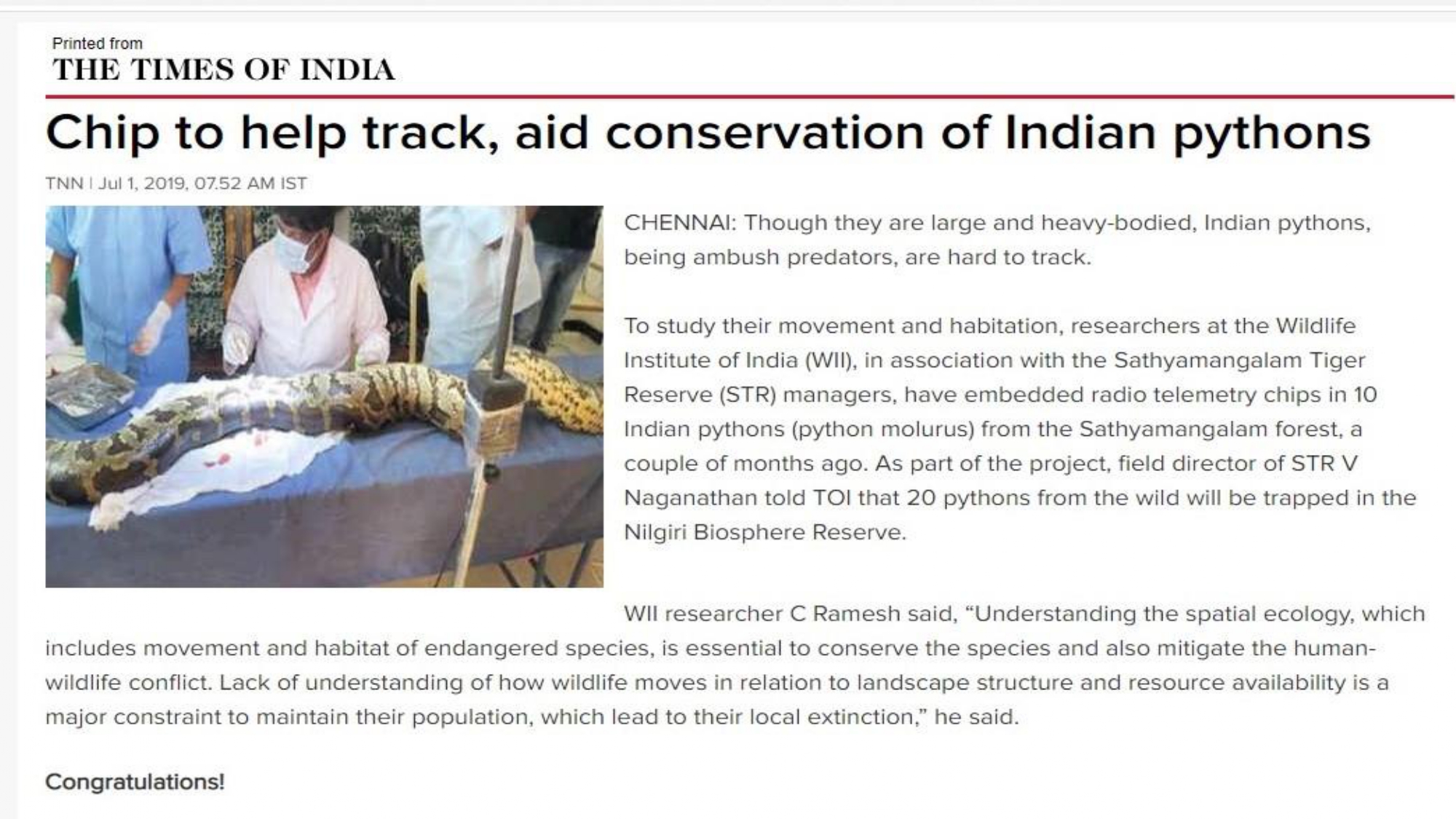
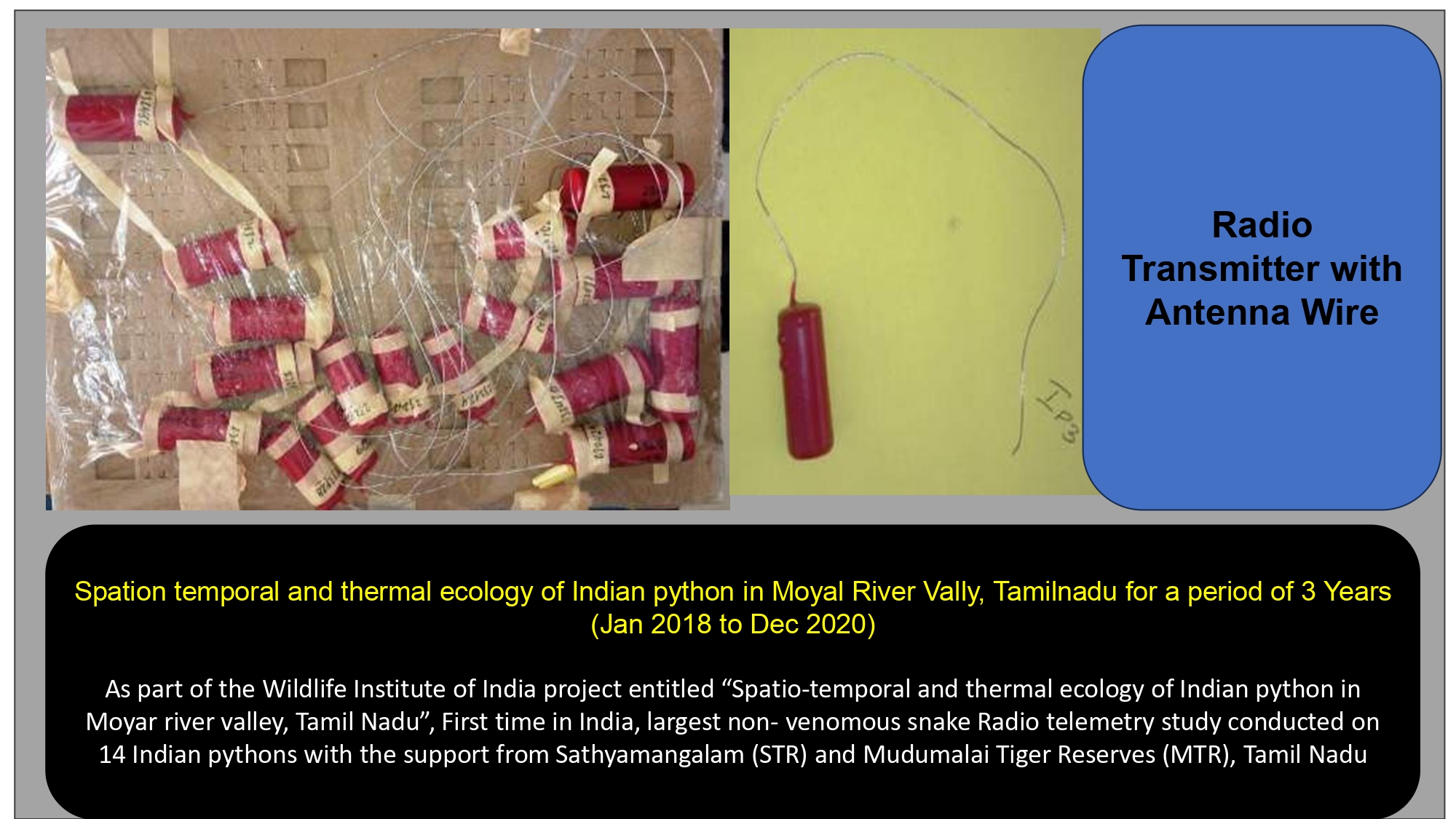
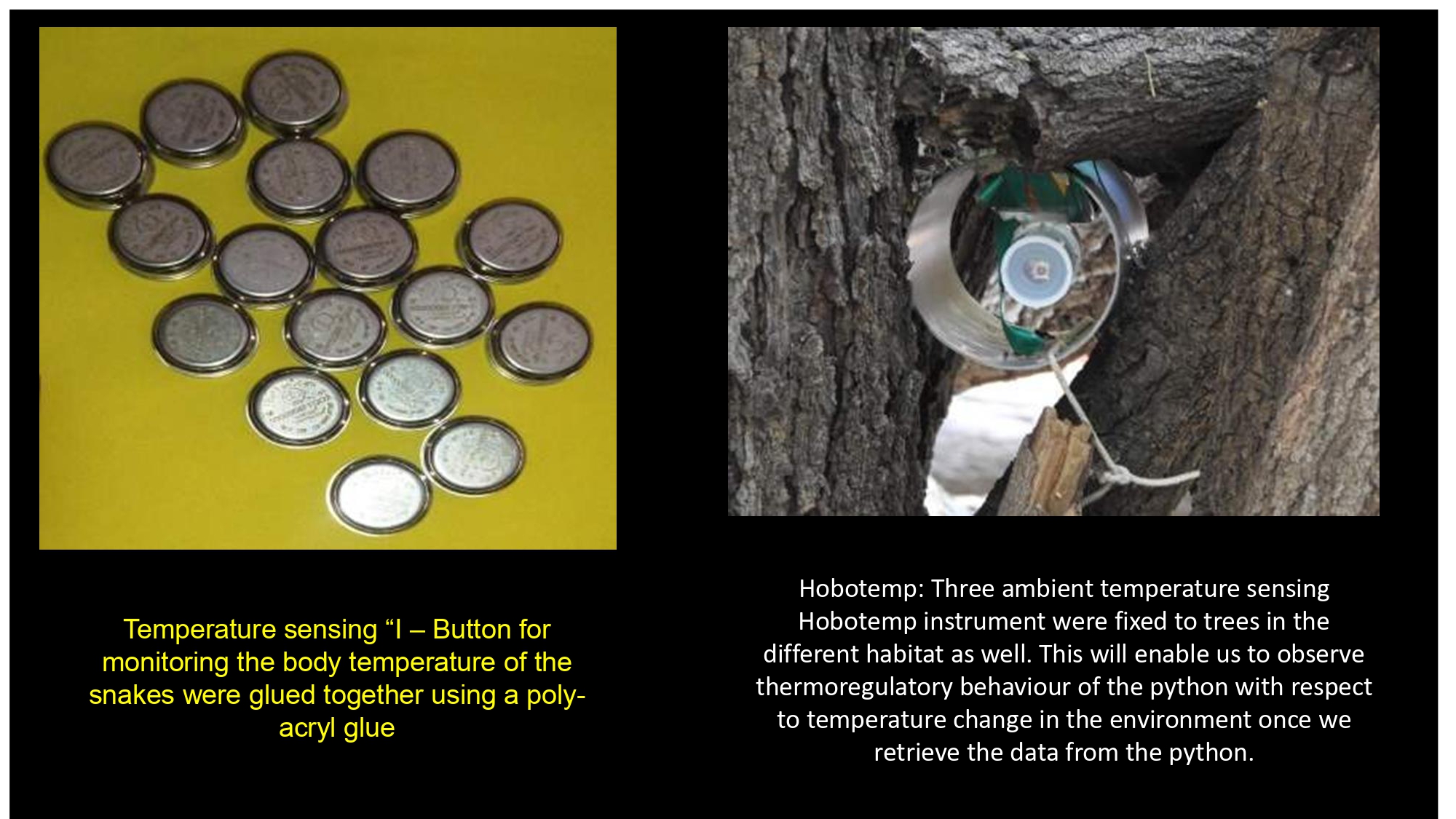
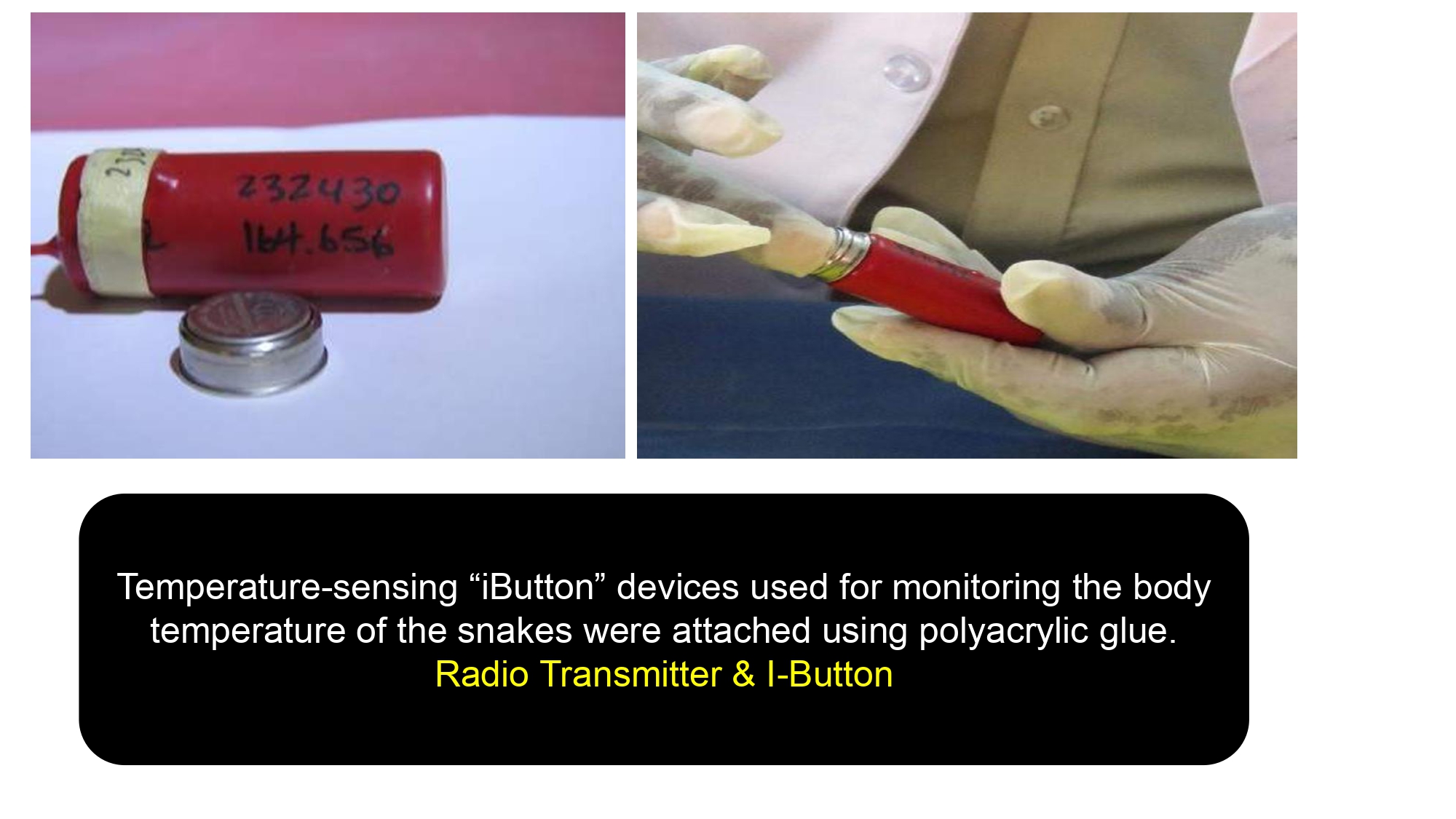
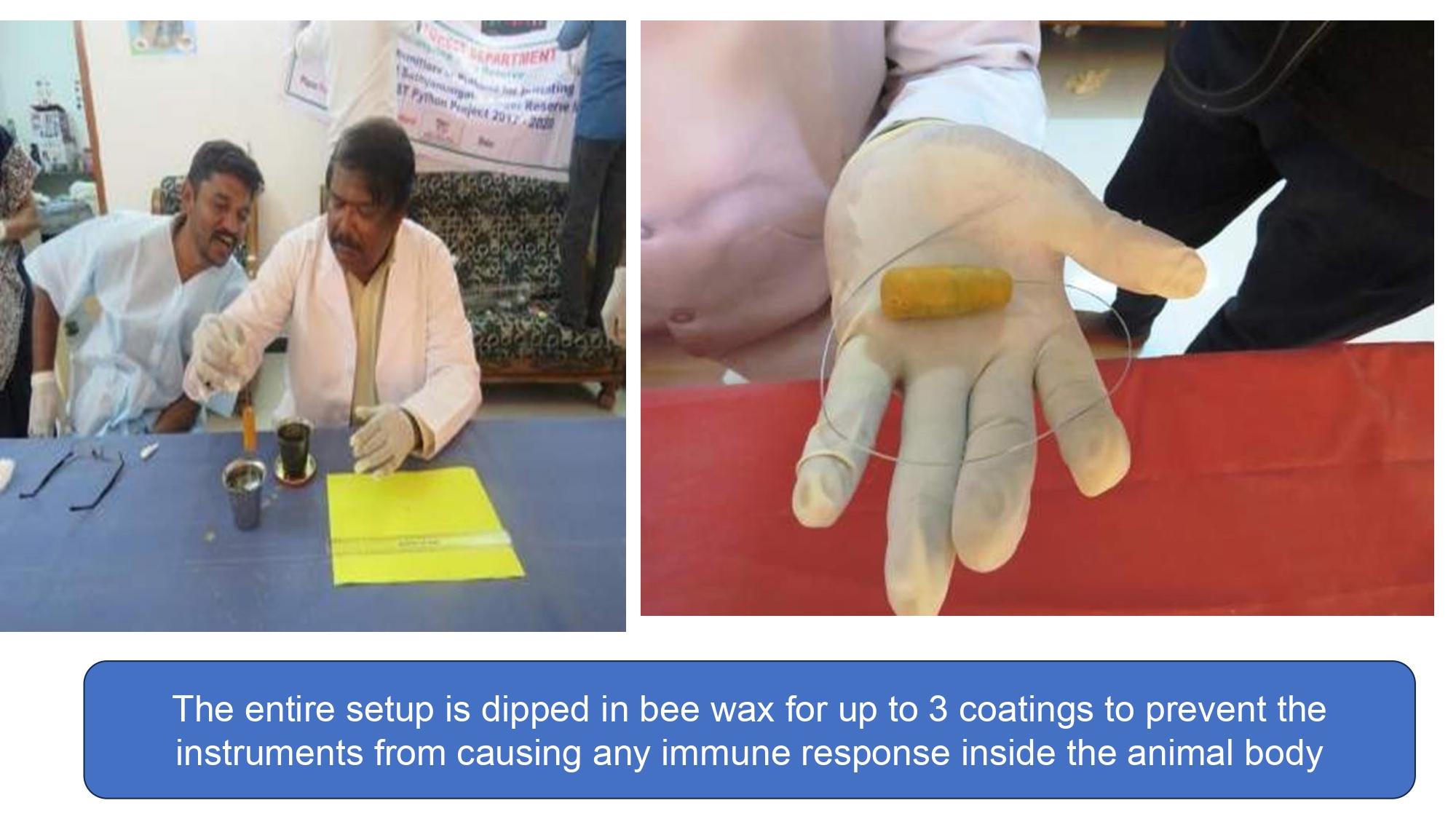
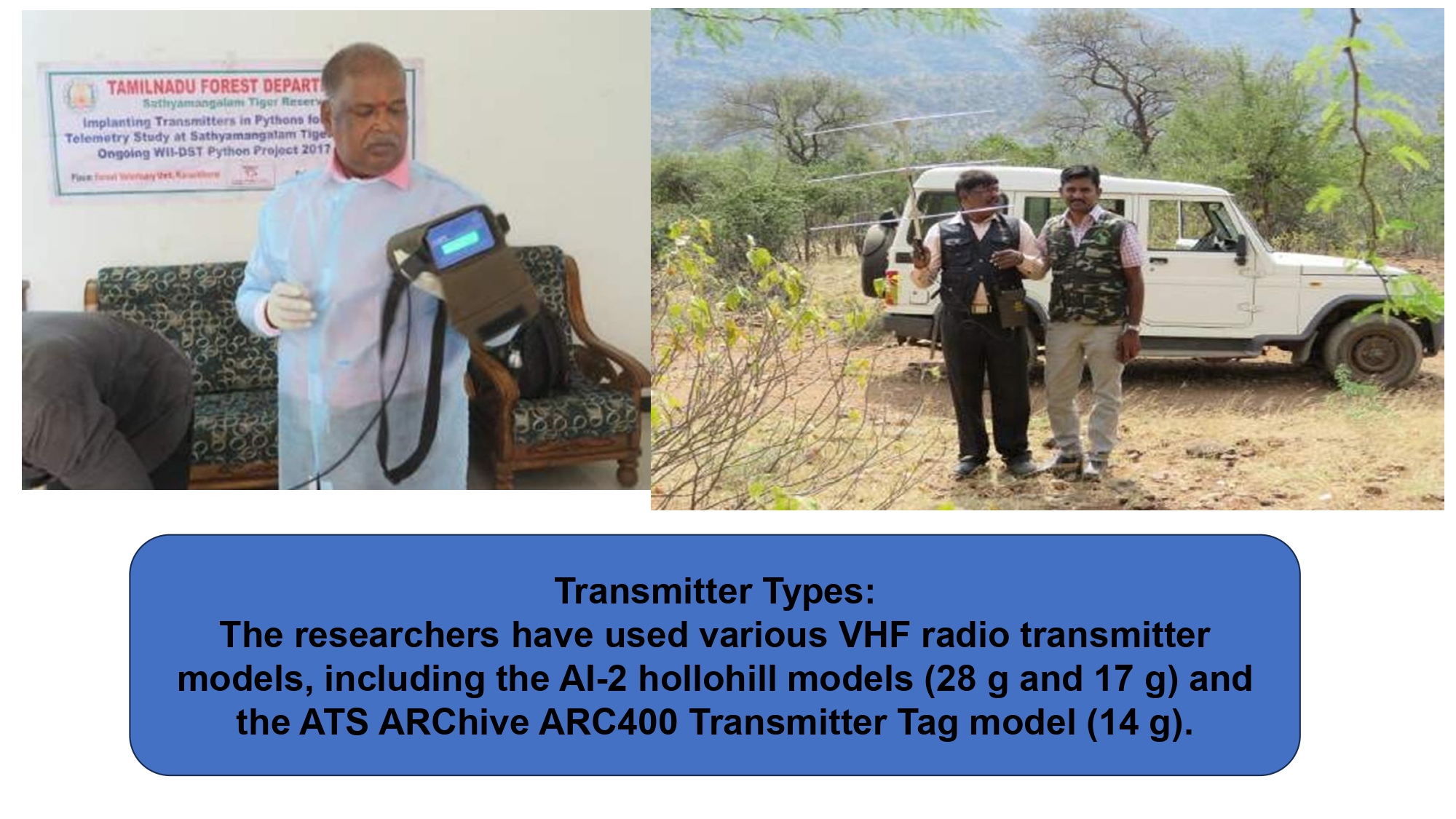
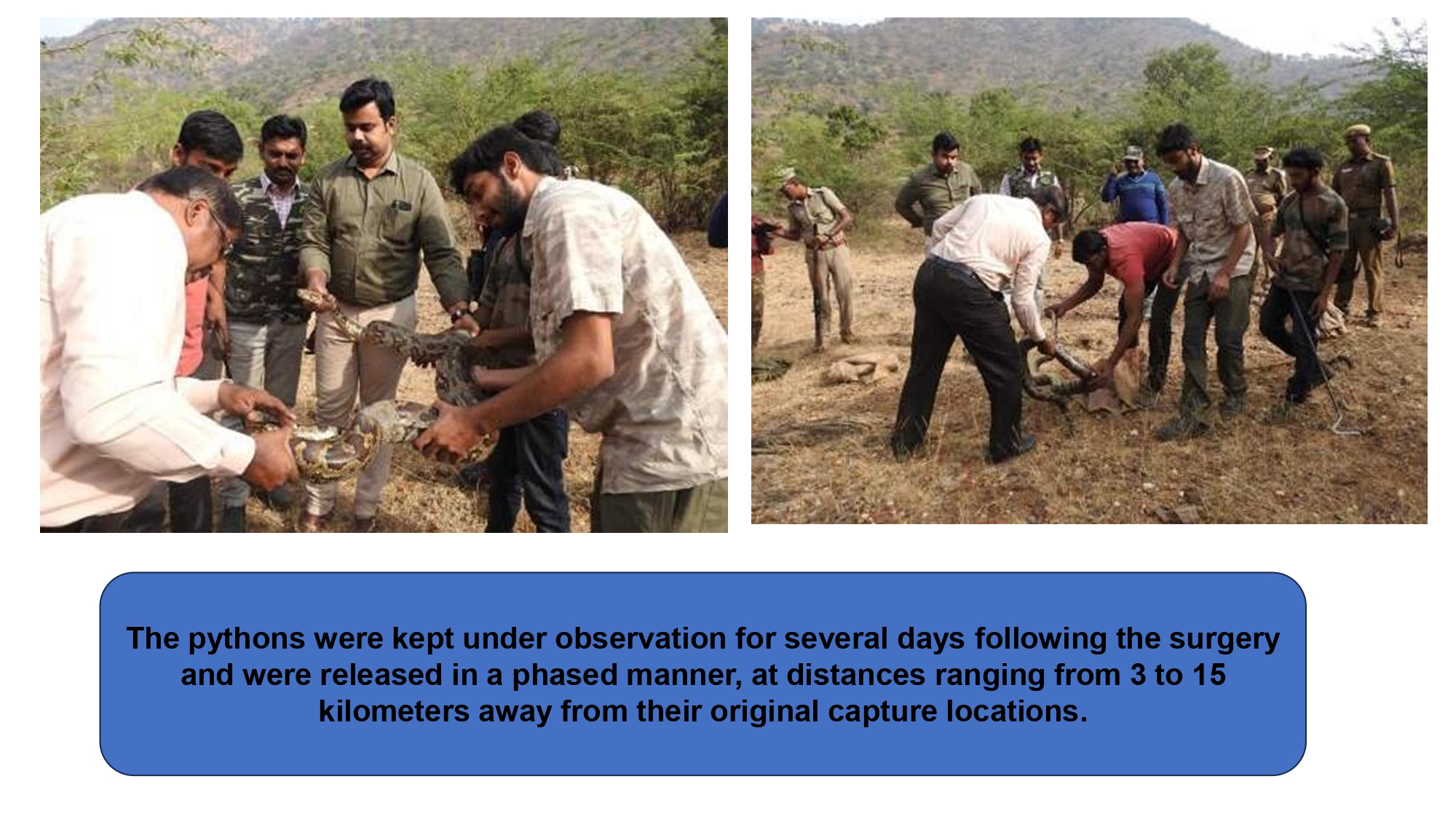
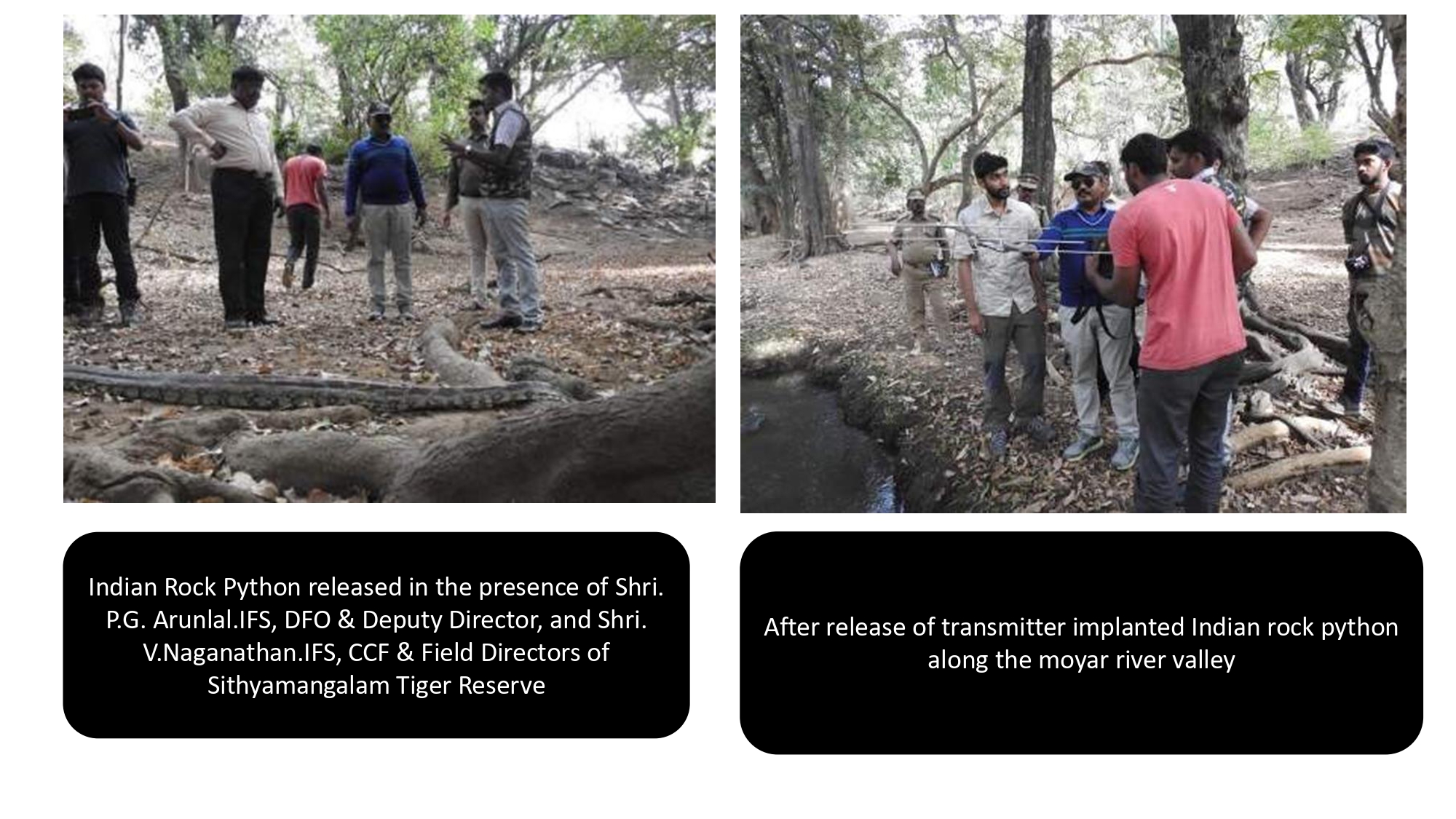
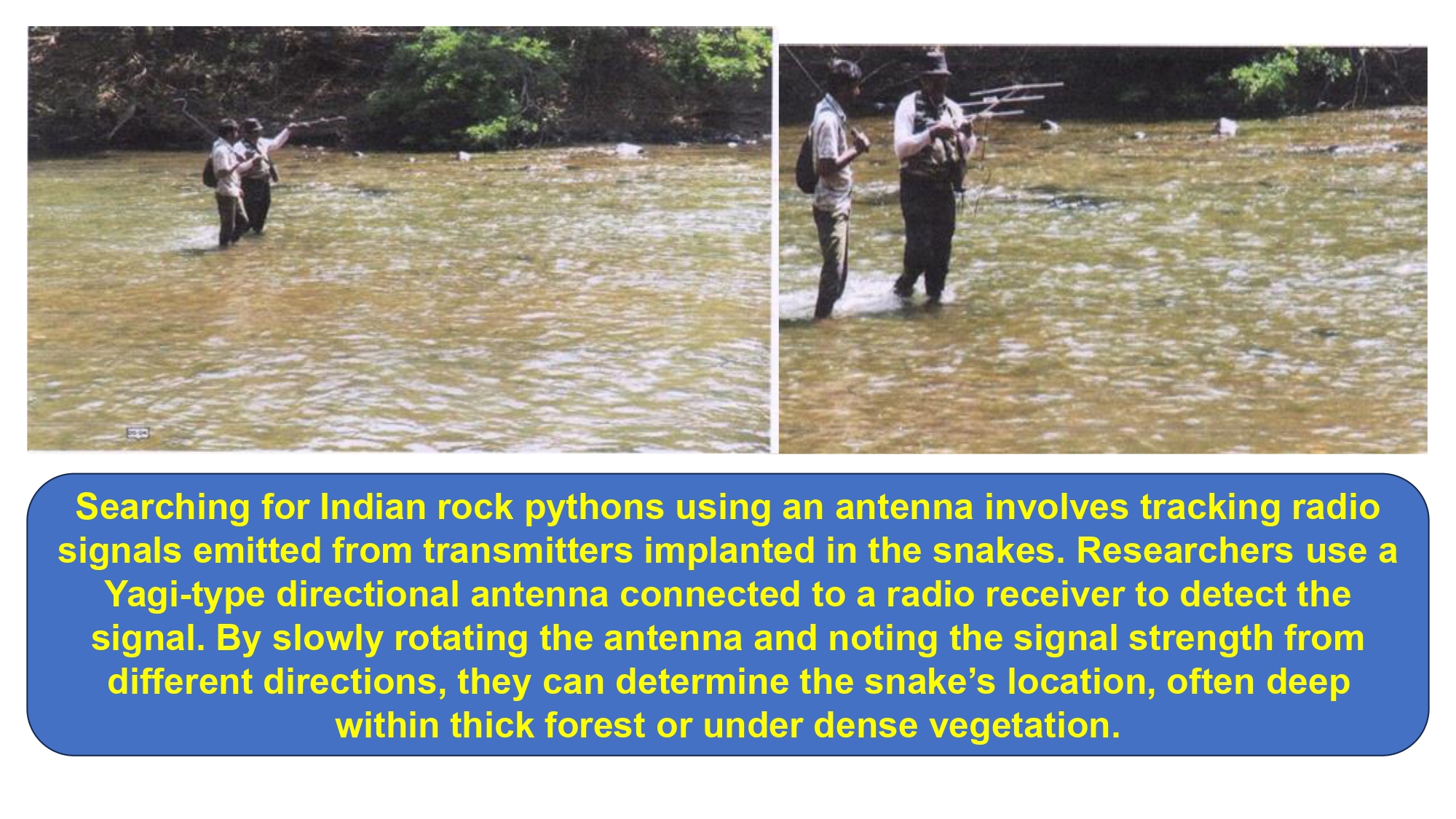
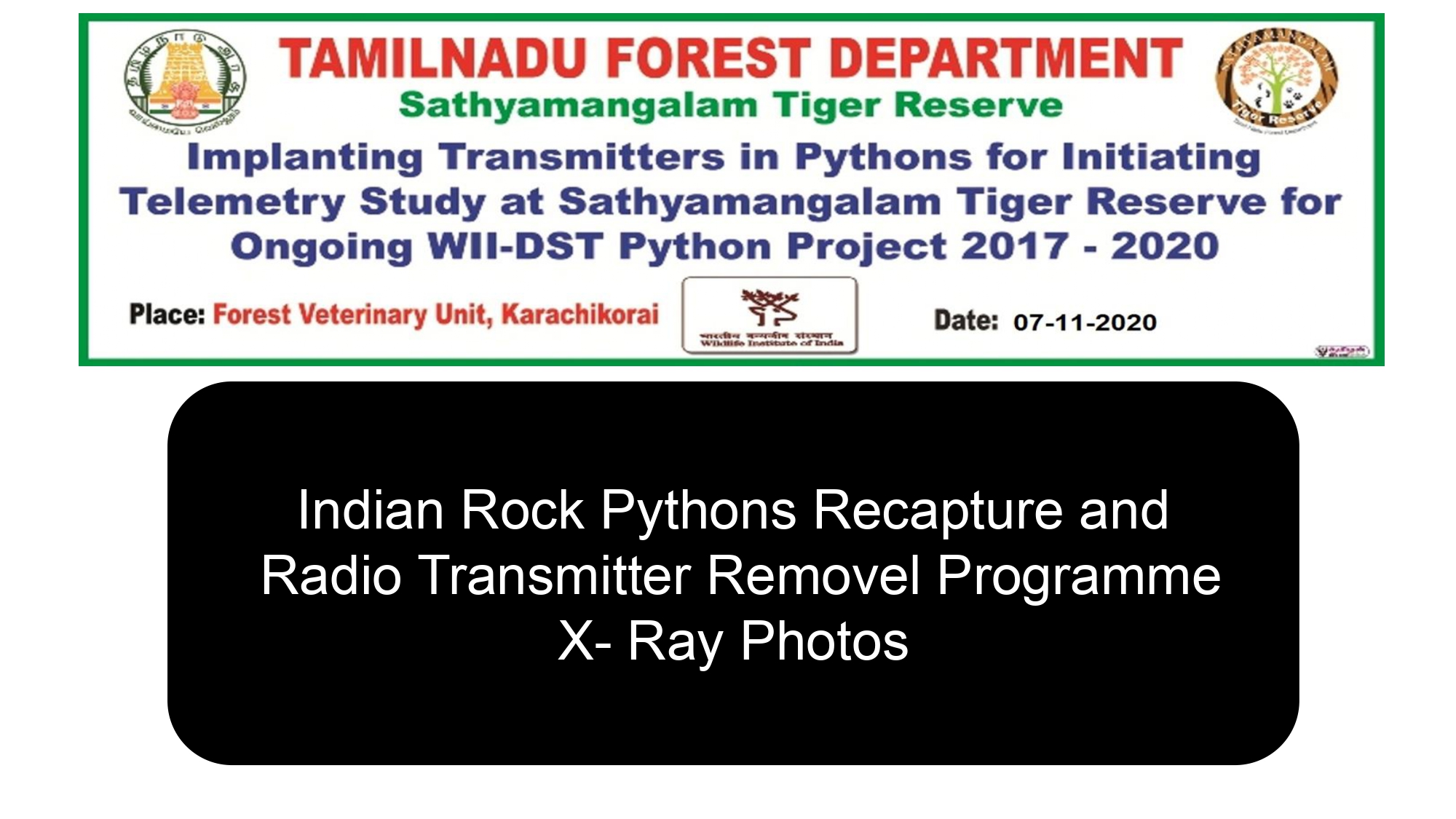
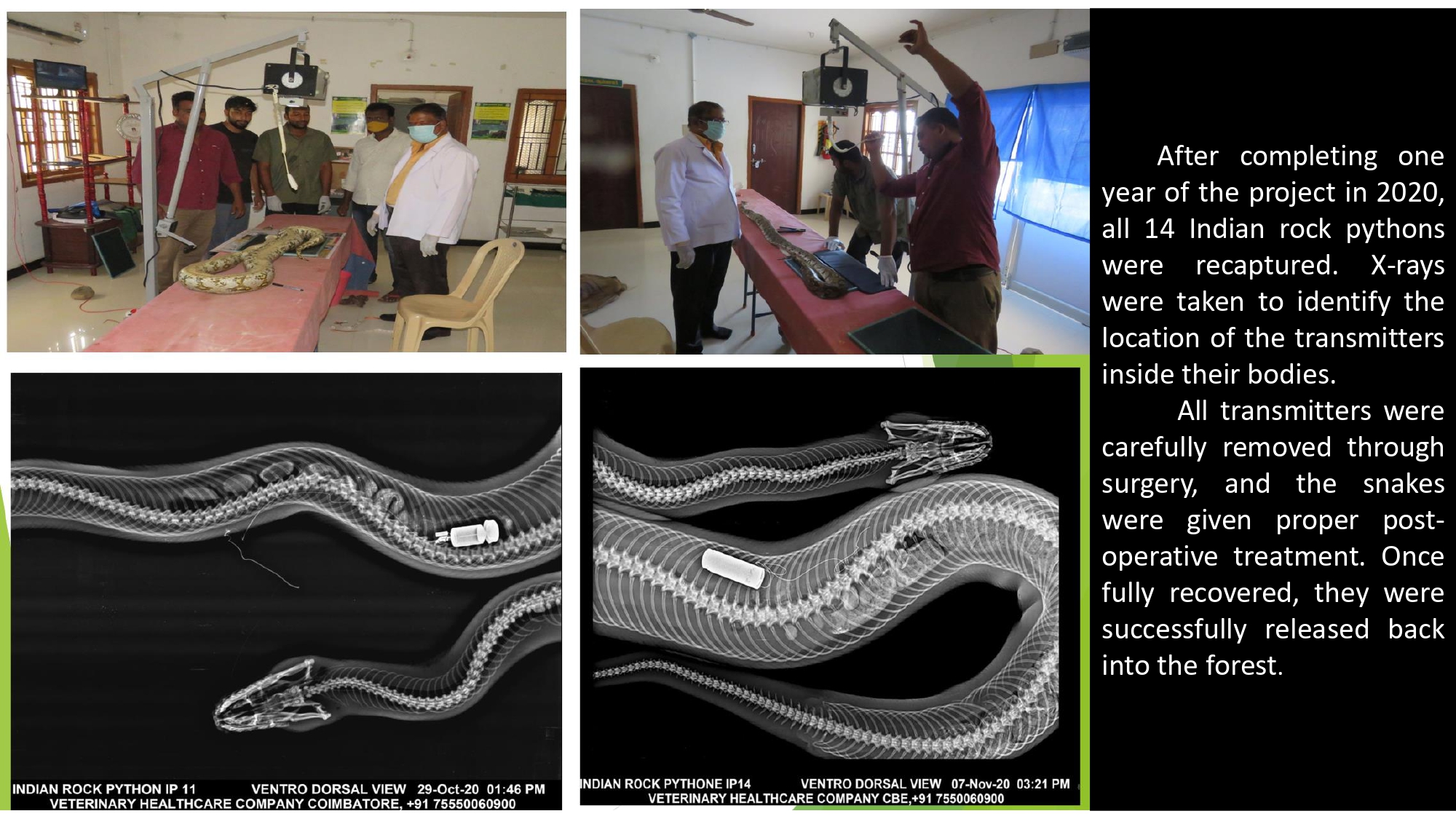
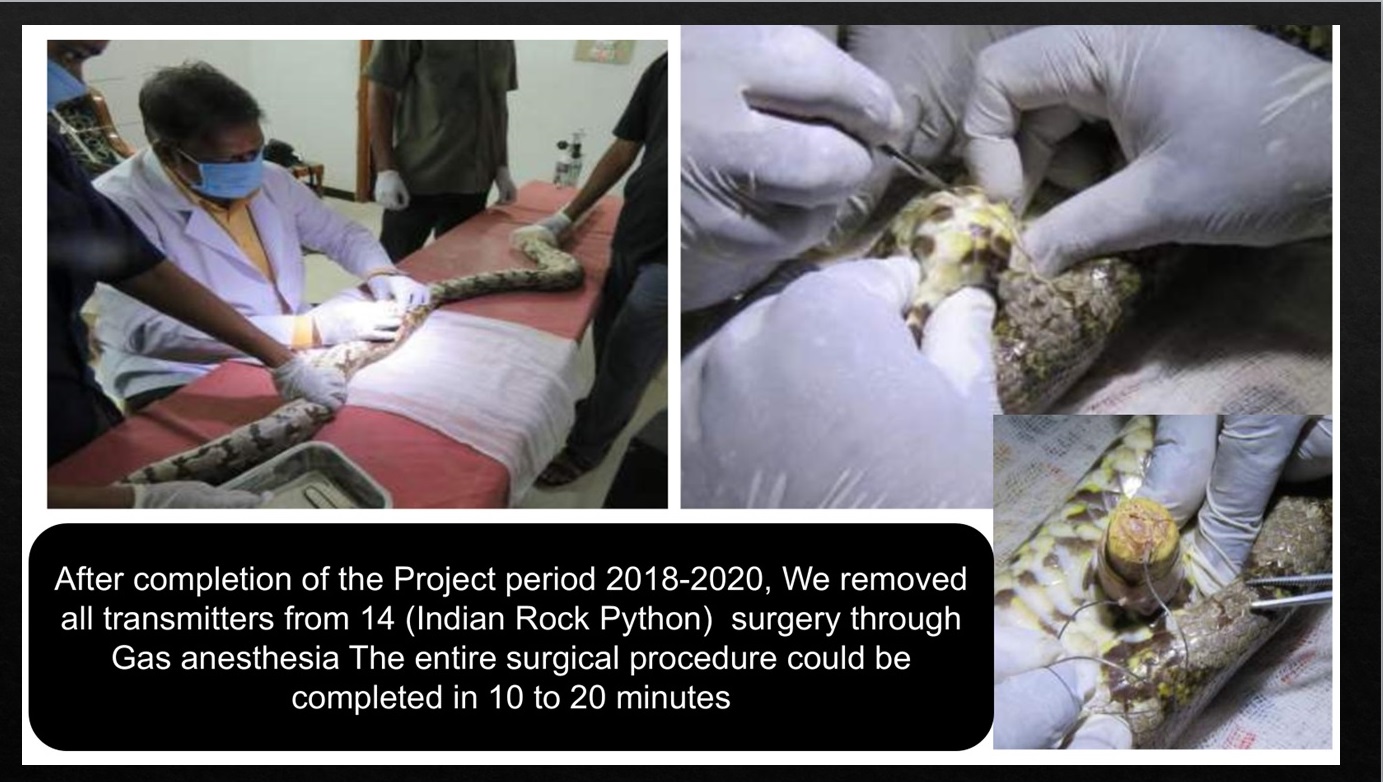
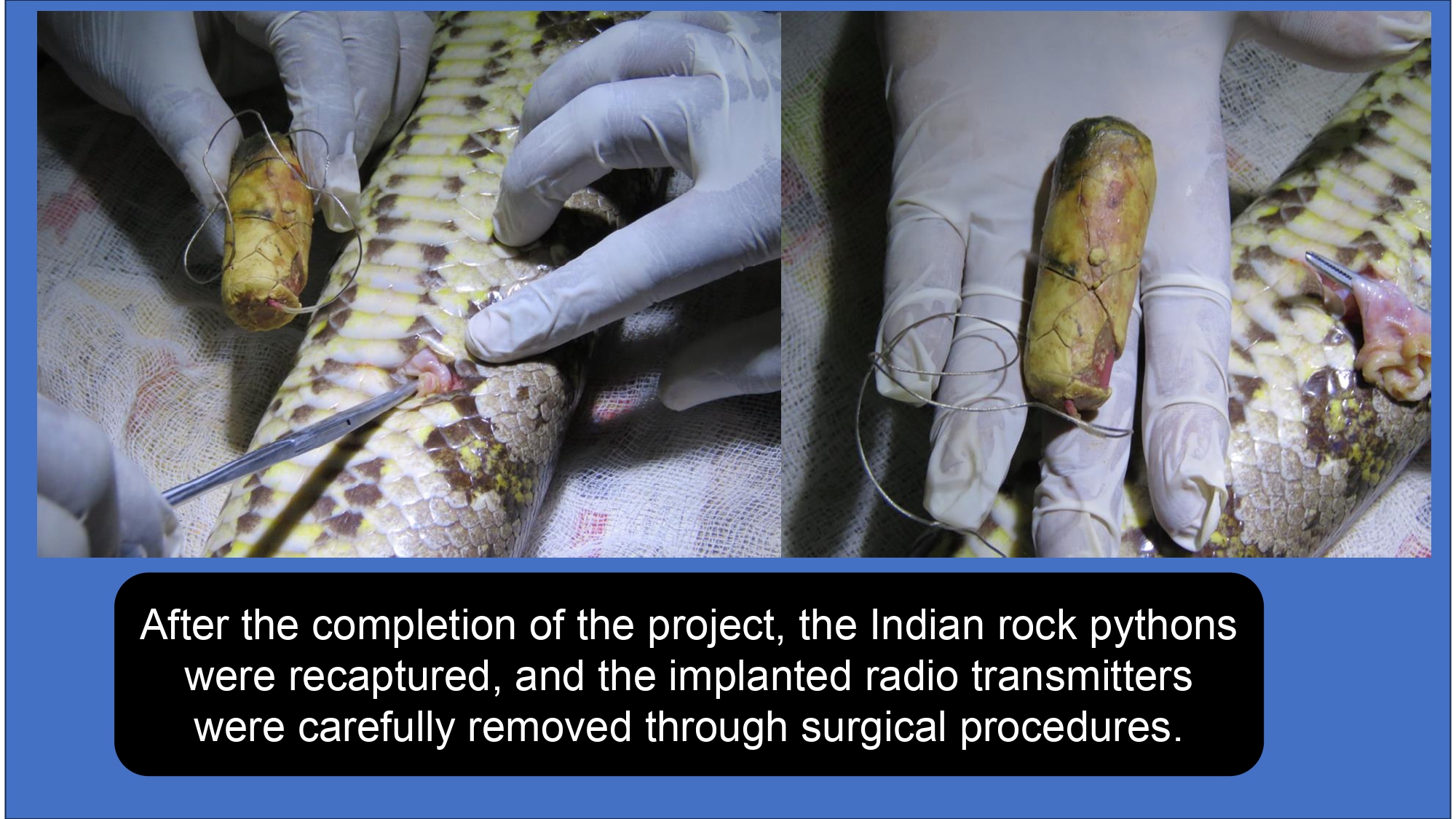
A Landmark Contribution to India’s Indian Rock Python Radio-Telemetry Research
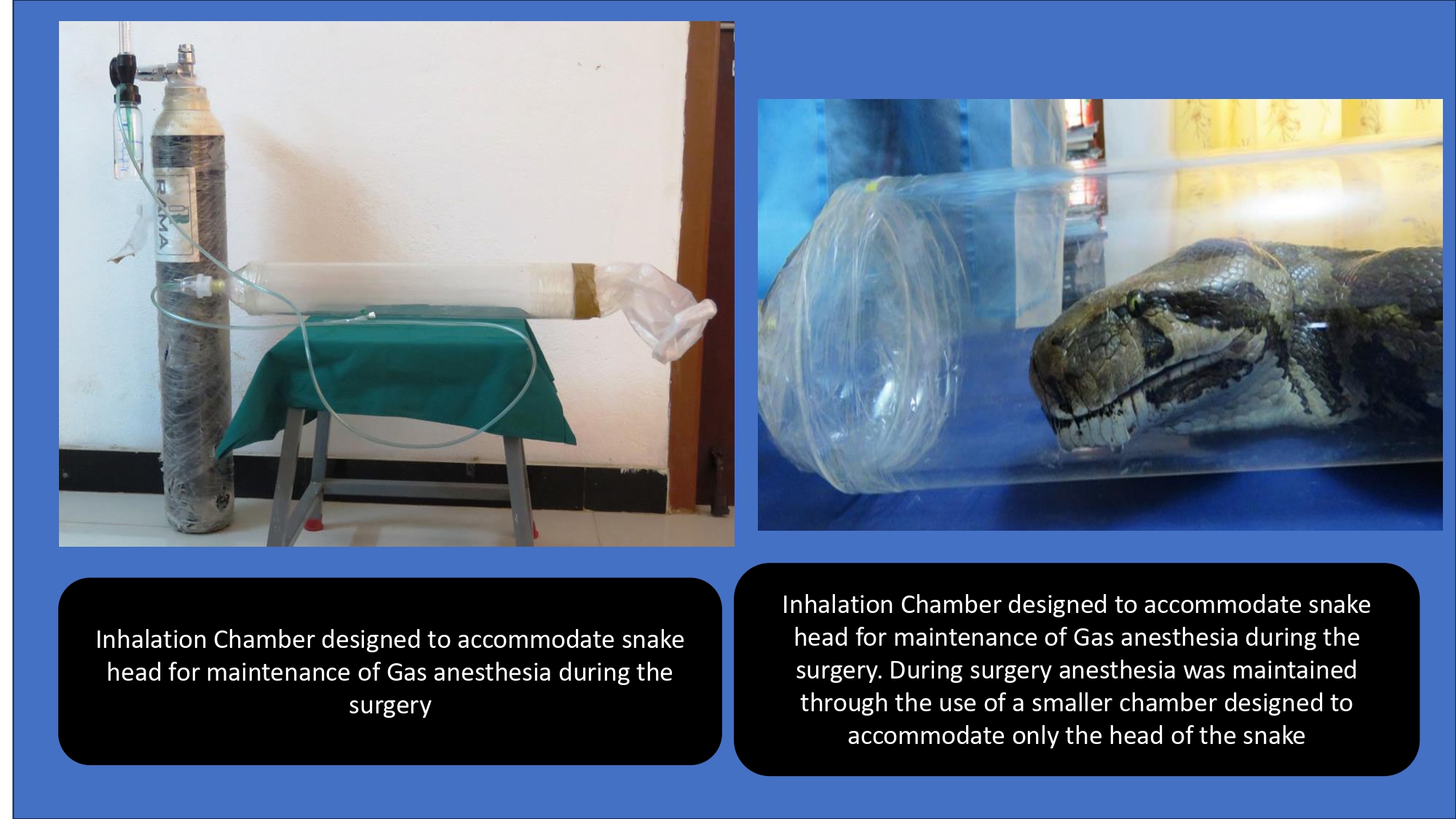
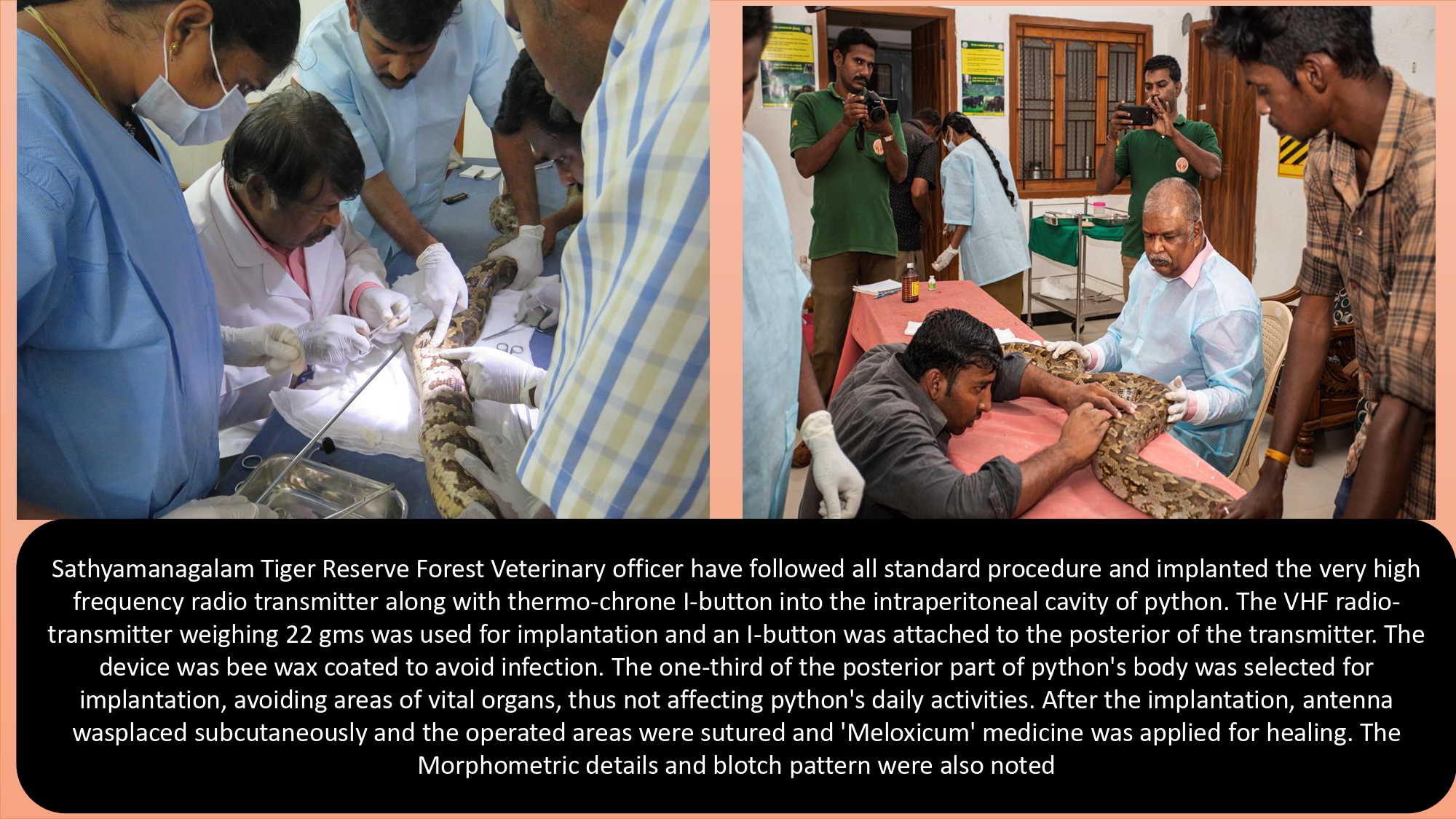
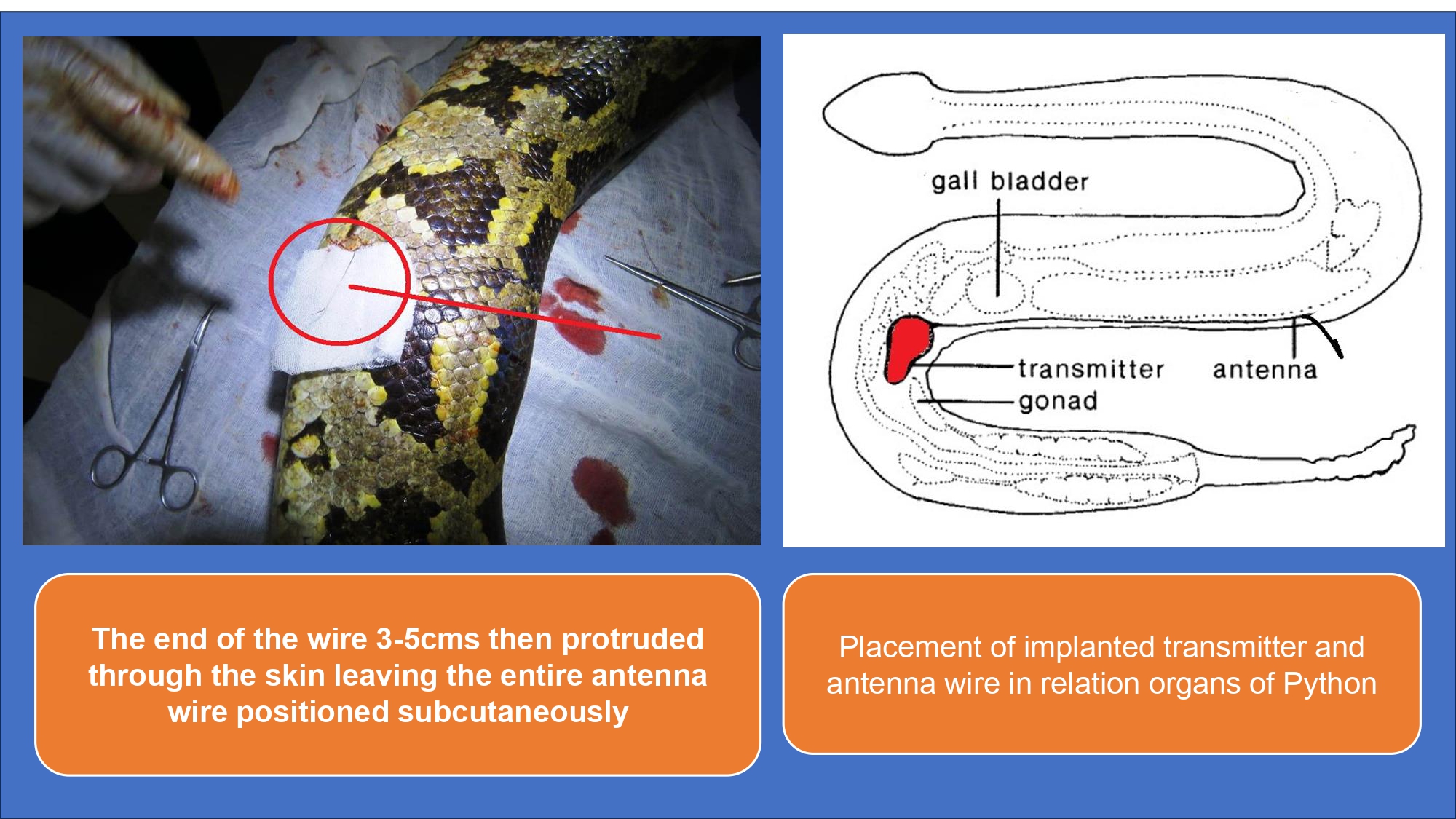
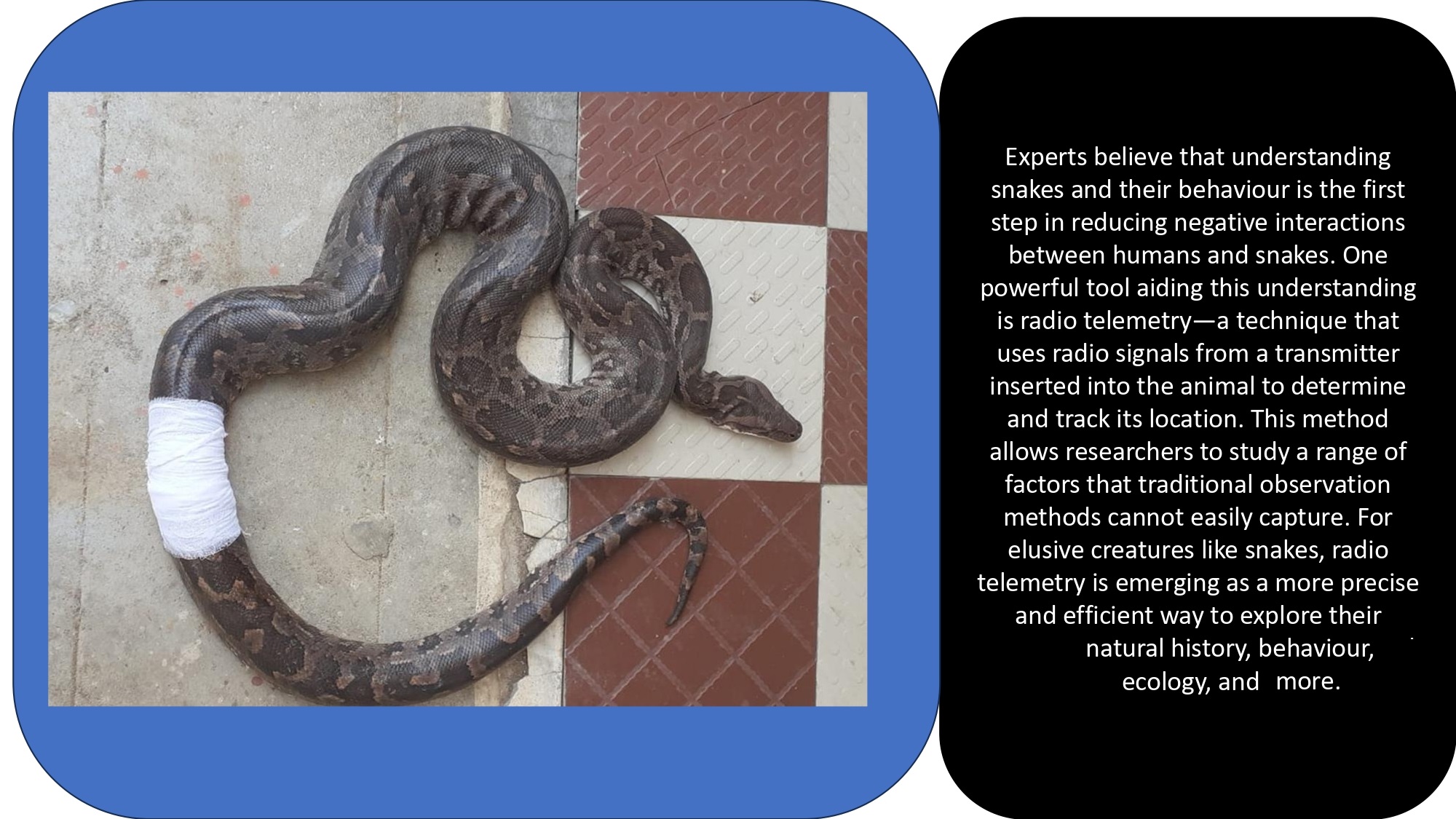
More than 500 Snake Treatments and Surgical interventions since 2011
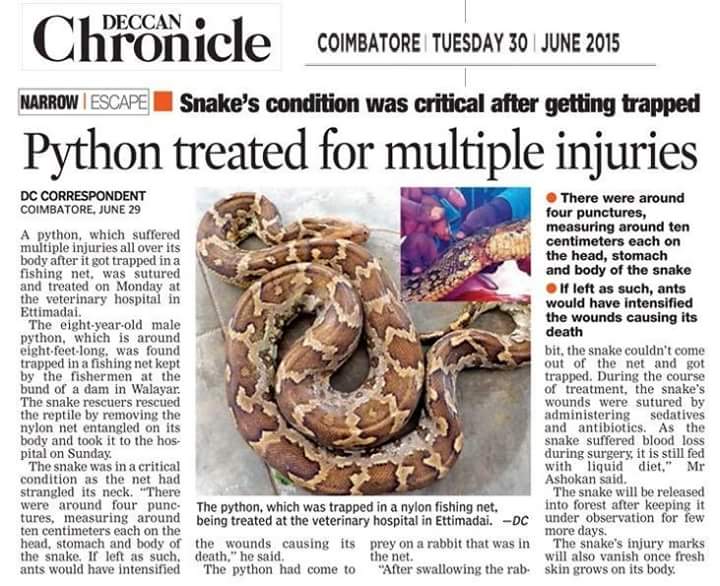
Since 2011, Dr. Asokan has provided more than 500 clinical treatments and surgical interventions for injured and diseased snakes. His work includes cancer surgery, fish-hook and foreign-body removal, fracture repair, wound management, eye surgery, treatment of traumatic injuries, and diagnosis and management of bacterial and viral diseases.
Through advanced veterinary care, structured rehabilitation, and scientific conservation practices, numerous reptiles have been restored to health and safely released into suitable natural habitats.
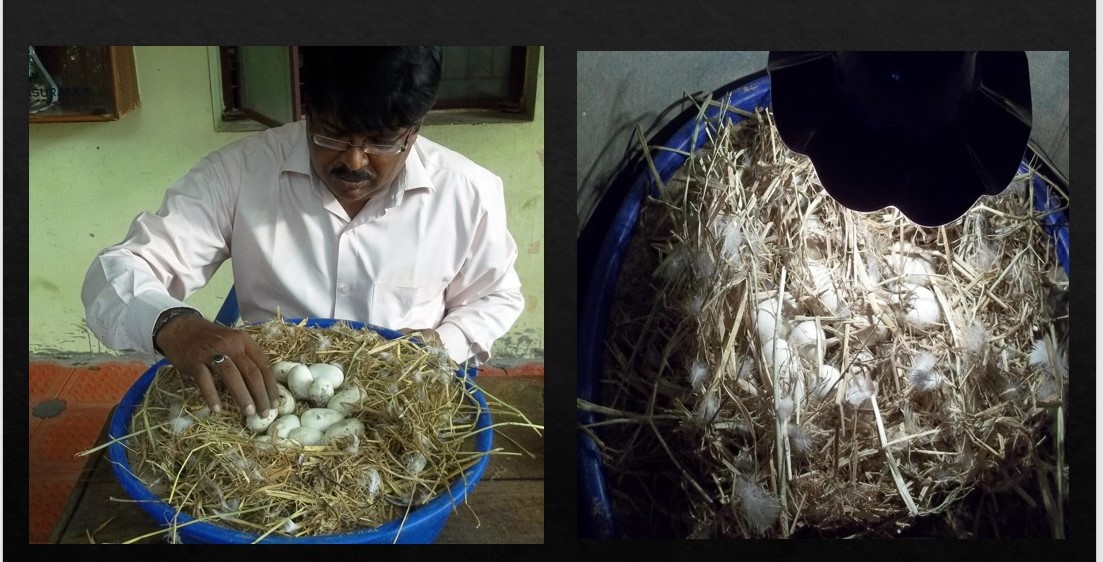
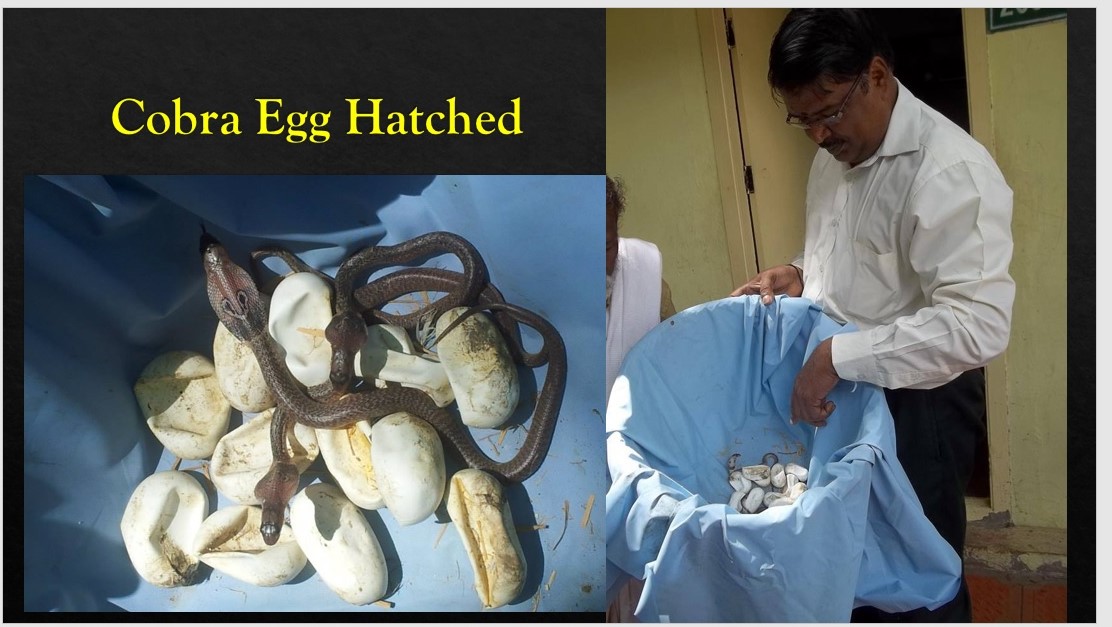
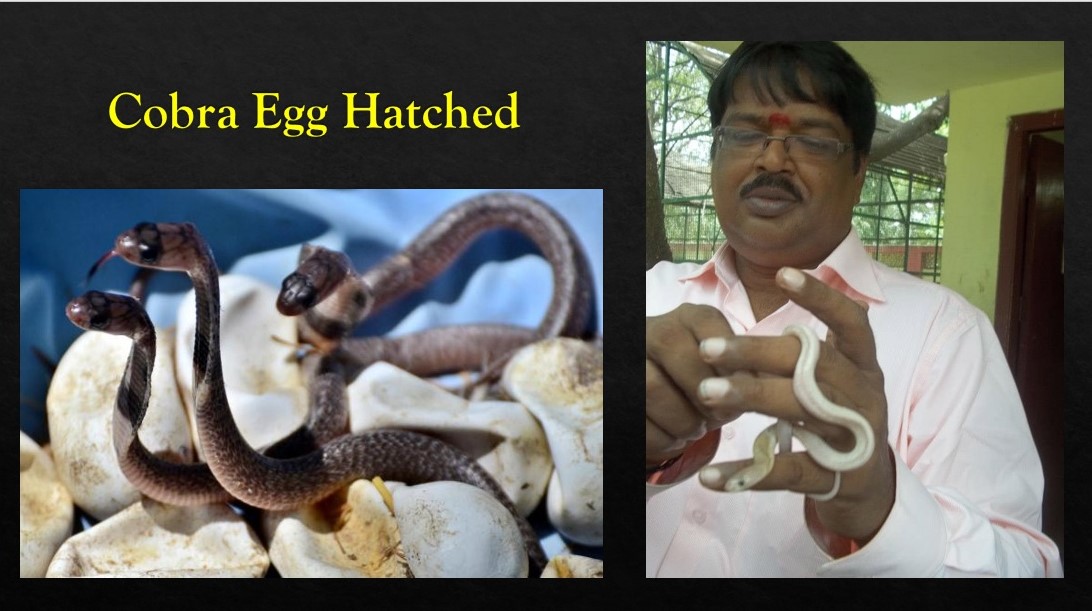
Snake Egg Rescue, Artificial Incubation and Release: Dr. Krishnamoorthy Asokan has made significant contributions to reptile conservation through the rescue and artificial incubation of snake eggs collected from urban and rapidly developing real estate areas. Snake rescue volunteers recovered eggs that were at risk of destruction due to land clearing, construction activities, and habitat loss, and safely transferred them to Dr. Asokan for scientific incubation. Using controlled artificial incubation techniques, Dr. Asokan successfully monitored temperature, humidity, and embryo development until hatching. The hatchlings were carefully examined to ensure their health and fitness before being released into suitable natural forest habitats under the supervision of the Forest Department. This conservation initiative prevented the loss of numerous snake eggs that would otherwise have been destroyed, contributing to the protection of native snake populations and the conservation of biodiversity. The programme also demonstrated the importance of collaboration between trained snake rescue volunteers, wildlife veterinarians, and the Forest Department in safeguarding reptiles affected by urban expansion and habitat fragmentation.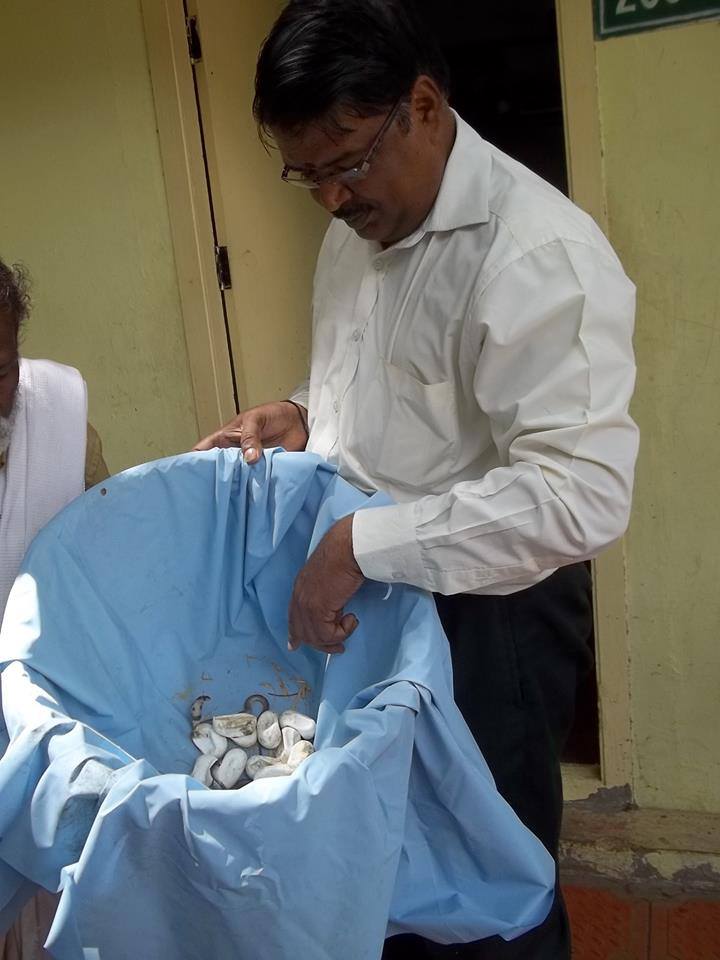
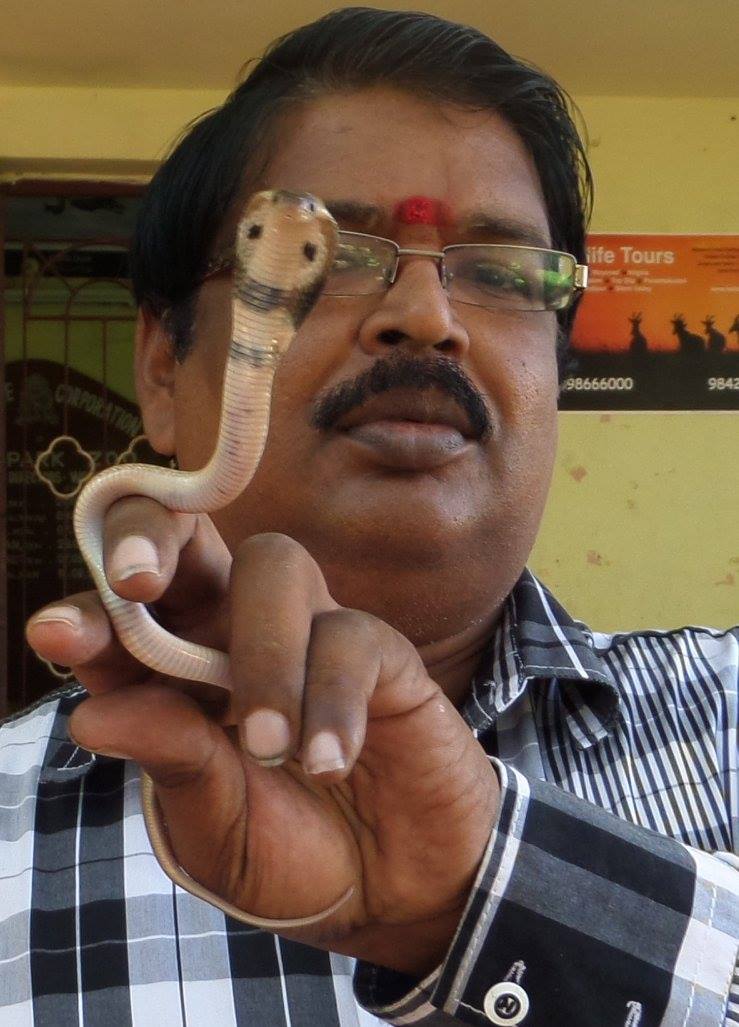
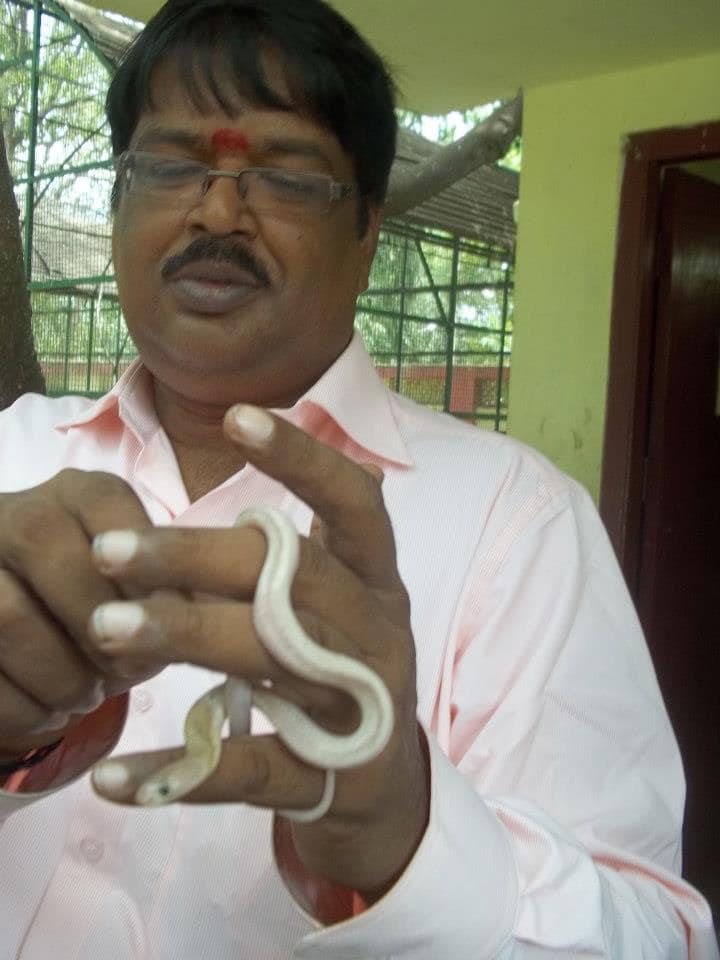
Rescue, Hatch, Rehabilitate and Release: A New Approach to Snake Conservation
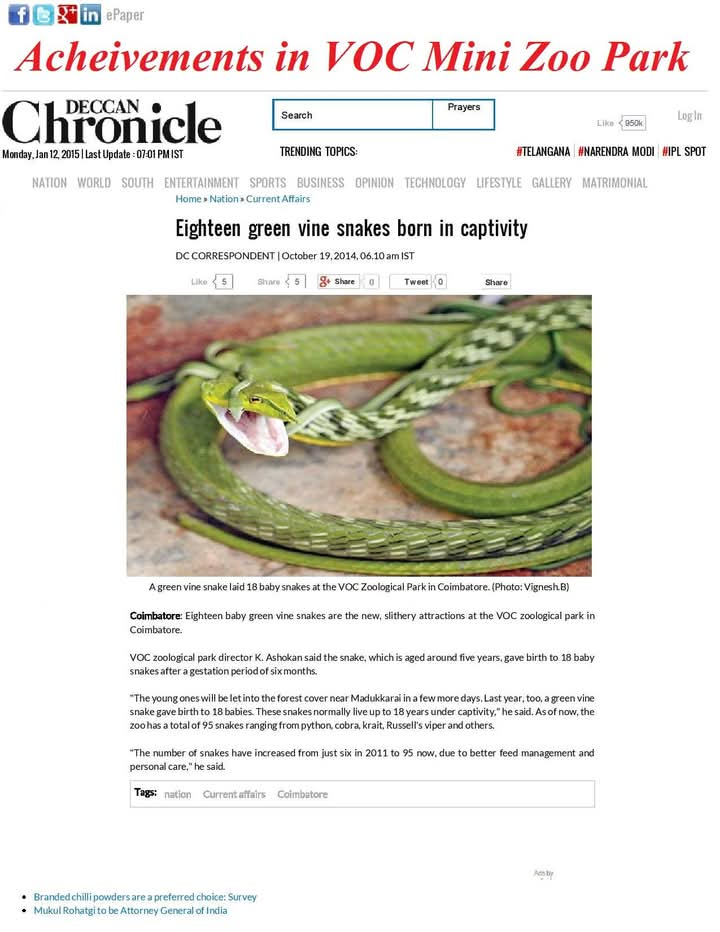
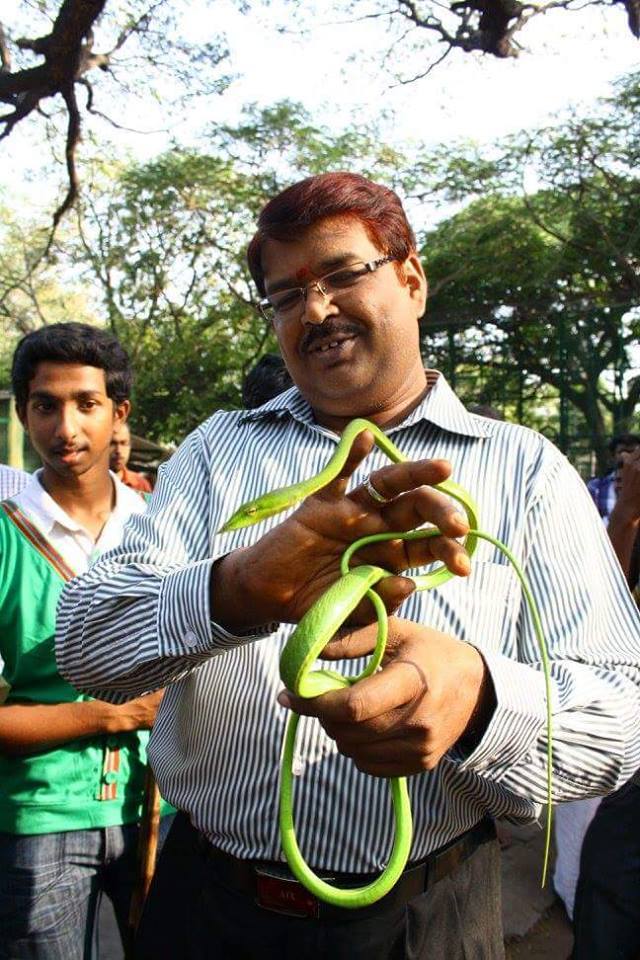
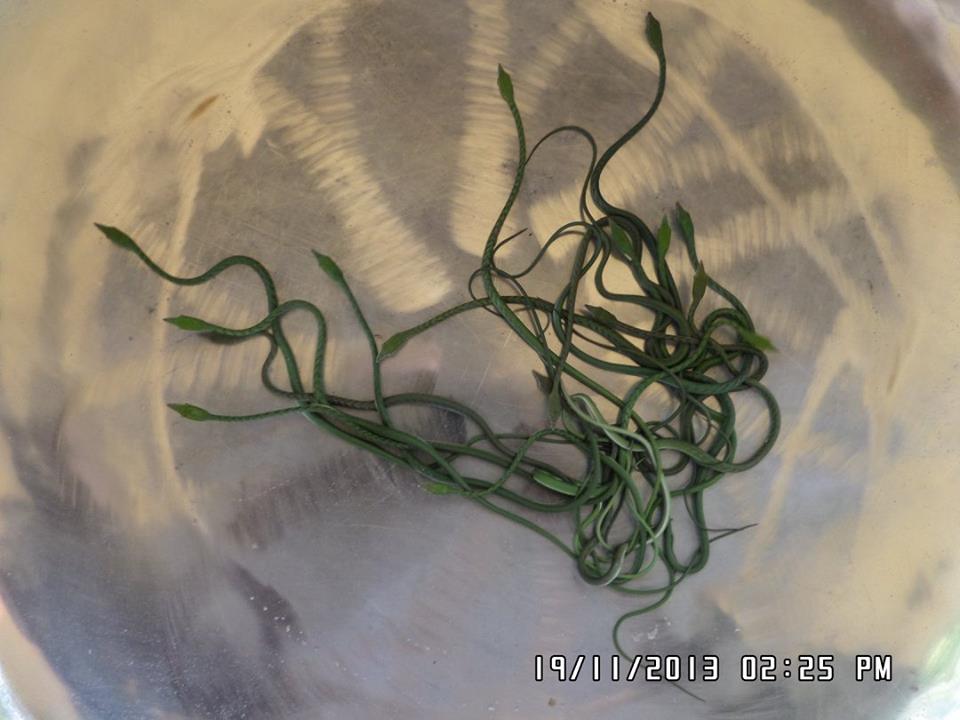
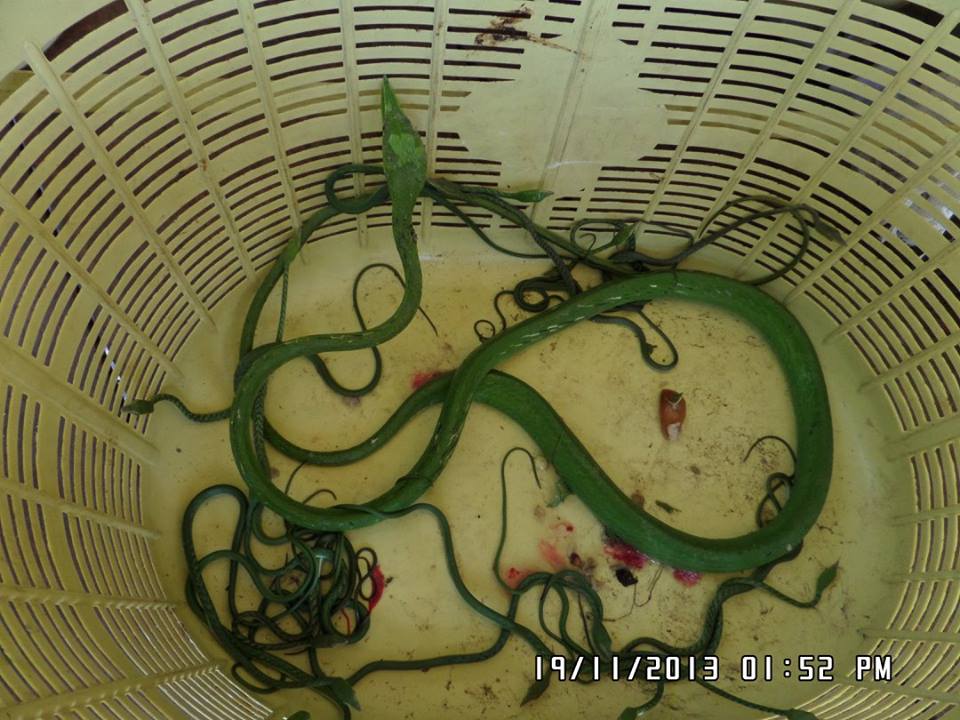
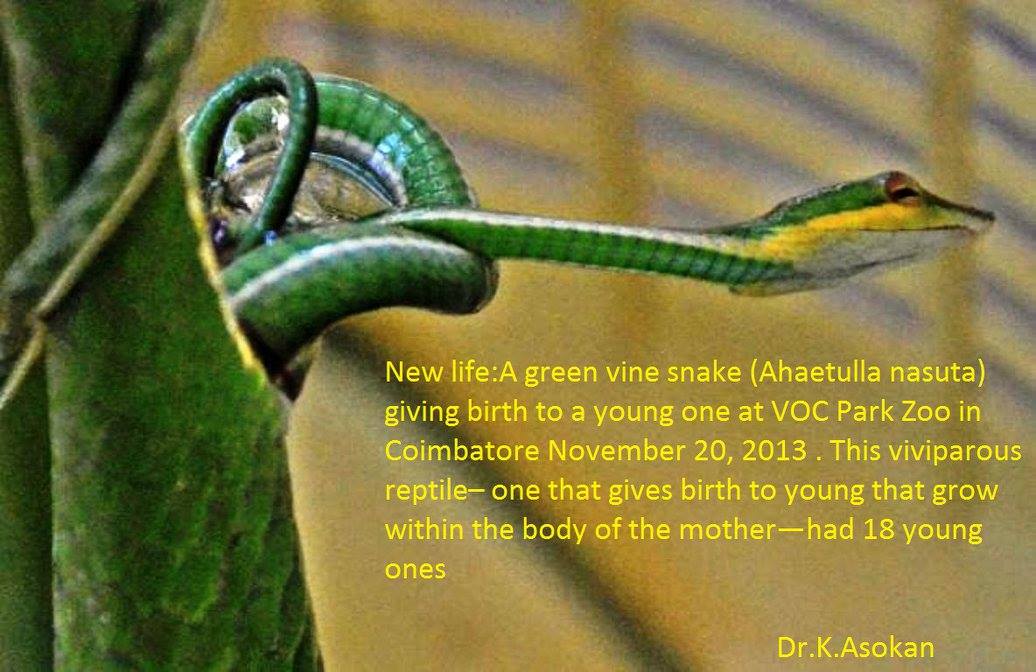
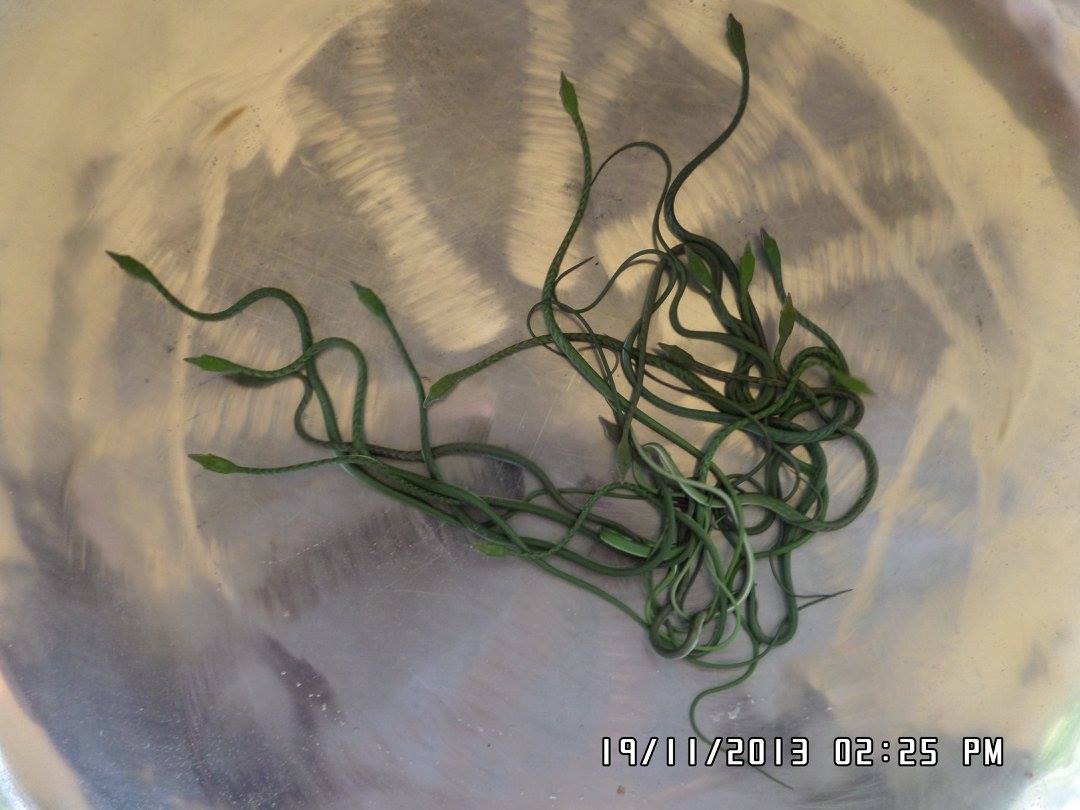
Green Vine Snake: Breeding, Newborn Care and Conservation Release
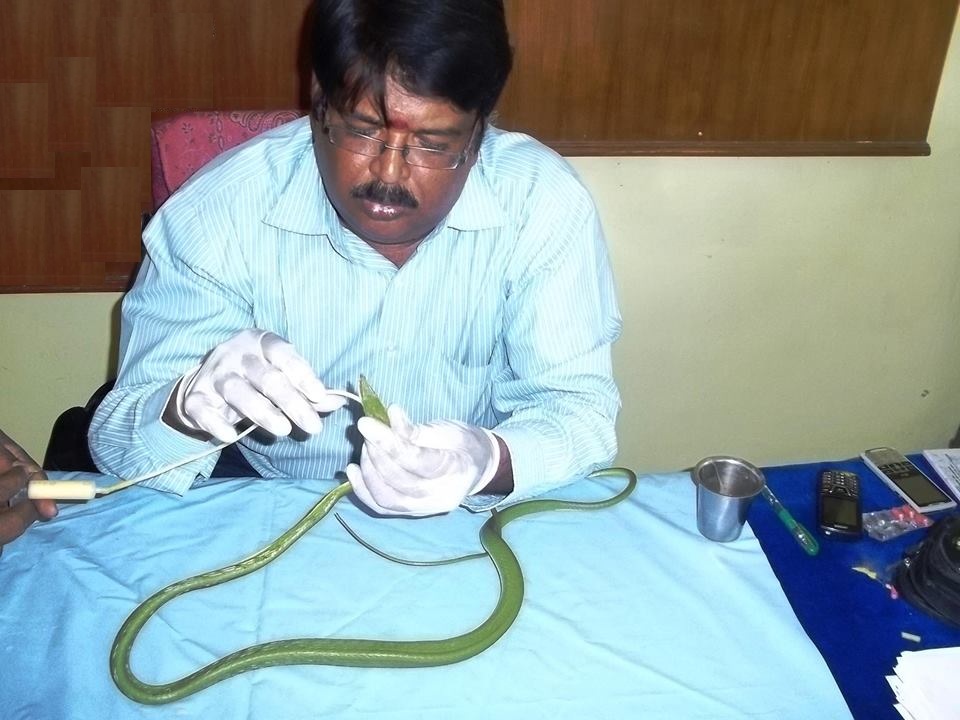
After birth, the newborn snakes were carefully monitored to ensure they were healthy and active before being prepared for release. As an arboreal species, the young require suitable vegetation, climbing cover, shelter and natural prey. Healthy individuals can be released into an appropriate natural habitat, preferably near the original rescue area, following applicable wildlife authorities' guidance. This case highlights the importance of specialised veterinary care, responsible rescue, rehabilitation and scientific conservation of snakes affected by human–wildlife conflict.
Green Vine Snake (Ahaetulla nasuta), it is an ovoviviparous/live-bearing snake: the embryos develop inside the female and the young are born alive, rather than eggs being laid. Reported gestation varies considerably—approximately 51 to 172 days, with some references describing about six months. A female may produce several young, with up to about 23 reported After birth, the neonates should be left undisturbed until they are fully separated from the birth membrane and appear healthy. They can be monitored briefly by trained wildlife personnel, with basic measurements recorded if required. For conservation release, the safest approach is generally to return both the mother and healthy young to suitable natural habitat near the original rescue location, provided the site is safe and appropriate and release is permitted by the relevant Forest/Wildlife authorities. A documented case of Ahaetulla prasina followed this approach, releasing the mother and four neonates into forest close to the original collection site.
Important: Green vine snakes are arboreal, so release should be into suitable vegetation with climbing cover and natural prey, rather than an open or exposed area. Captive holding should be kept as short as possible when rehabilitation and release are the objective.
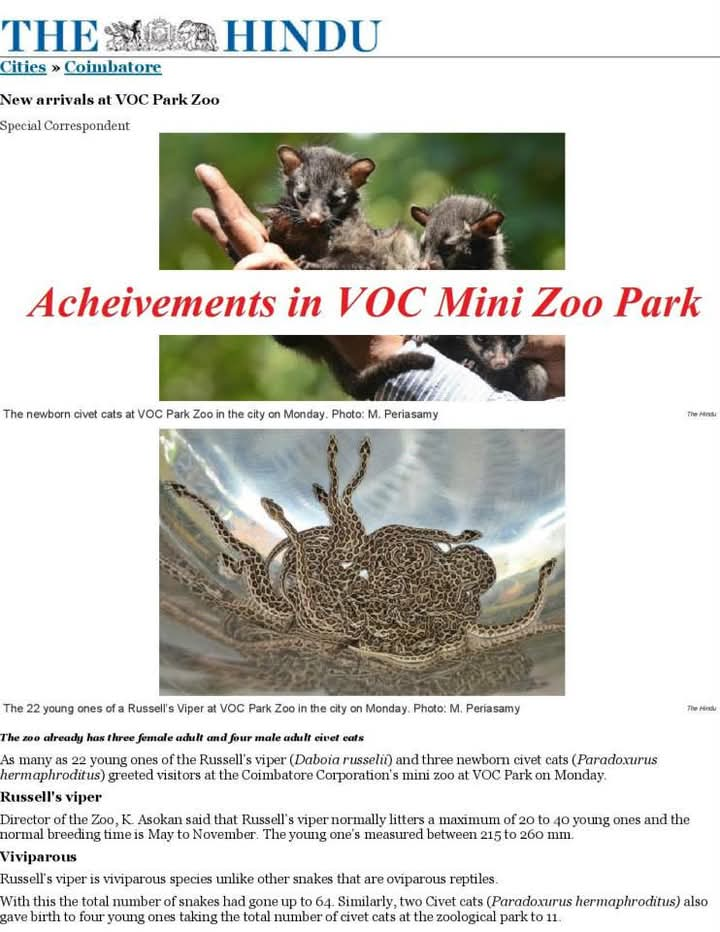
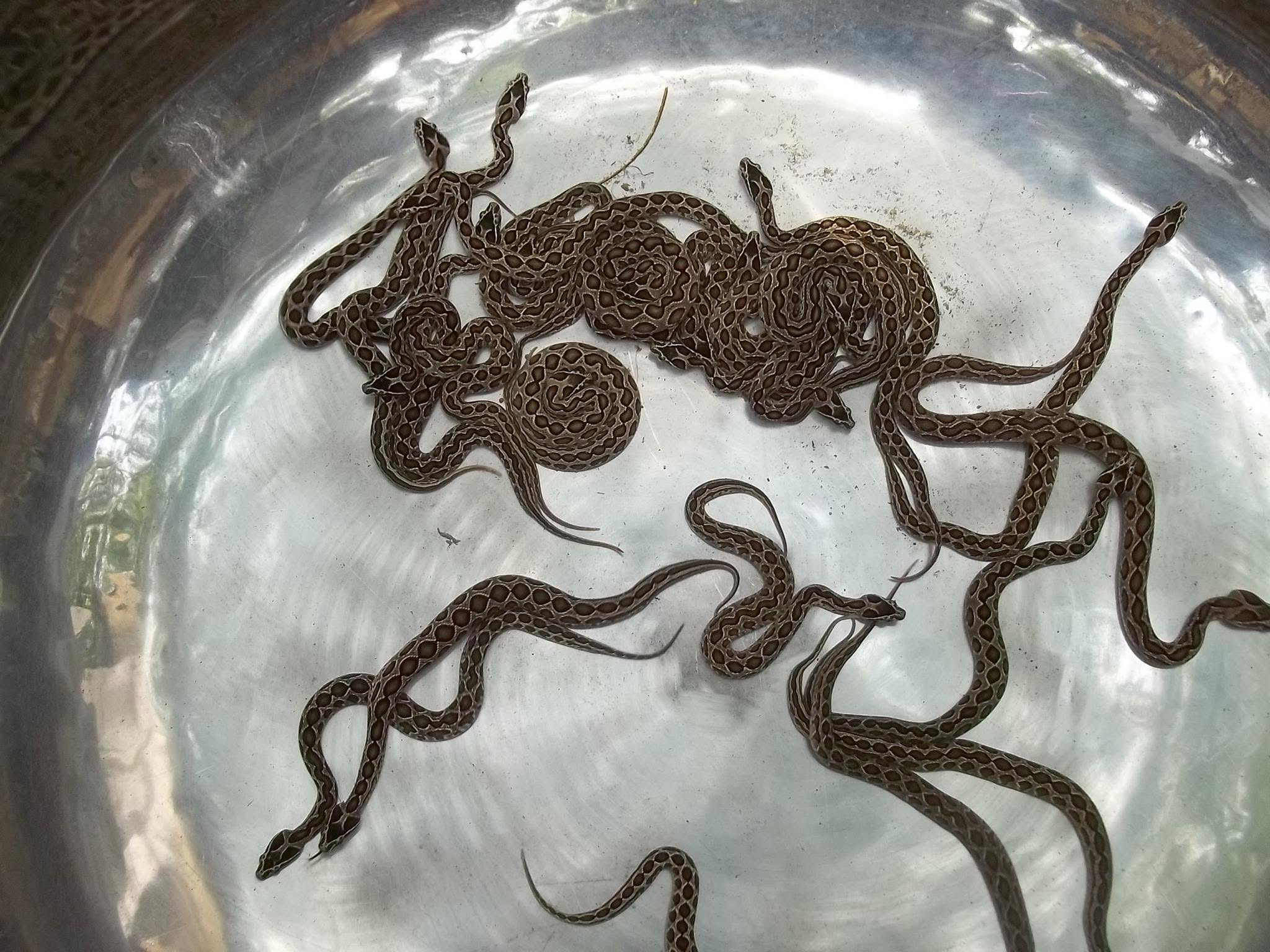
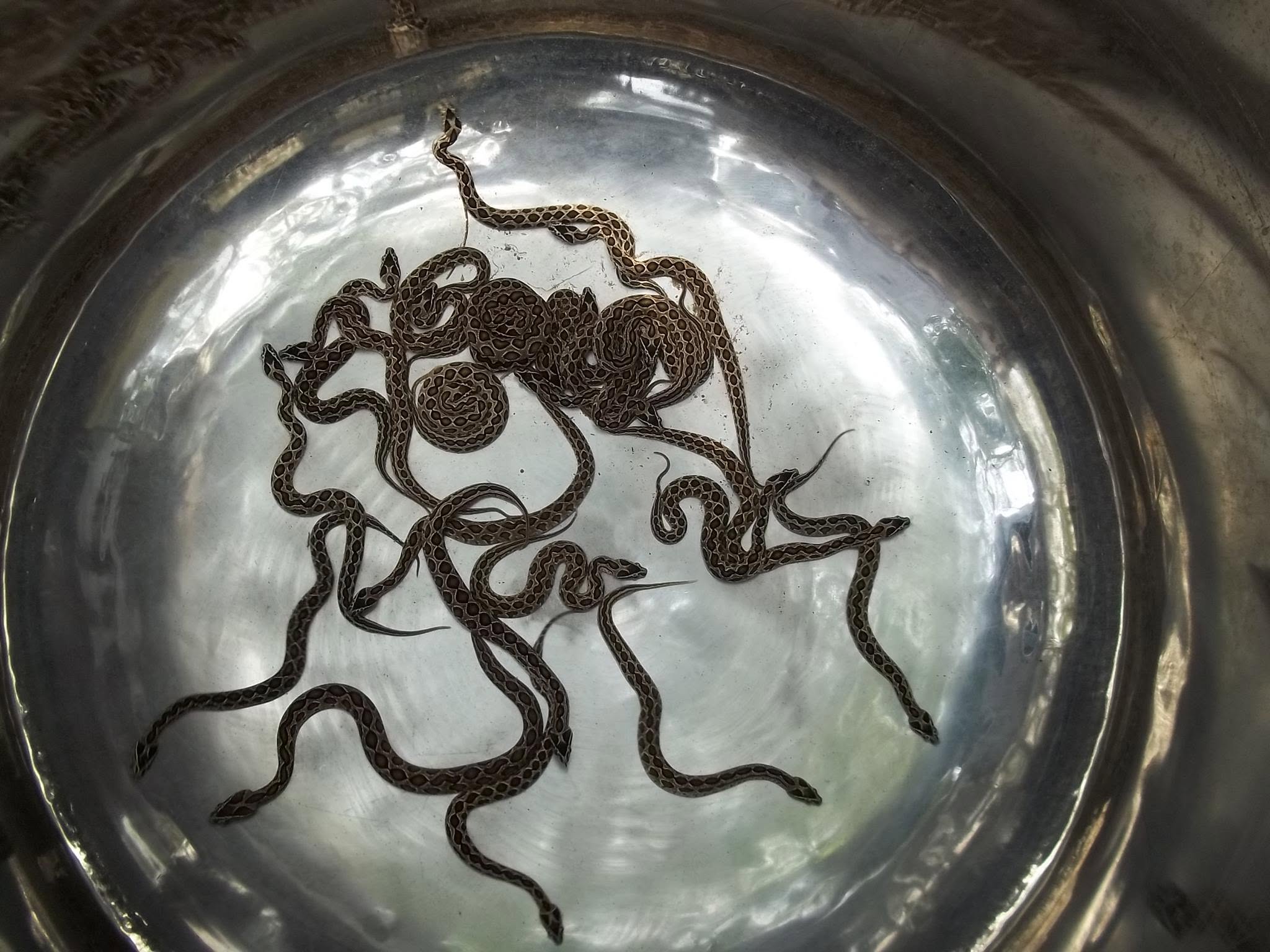
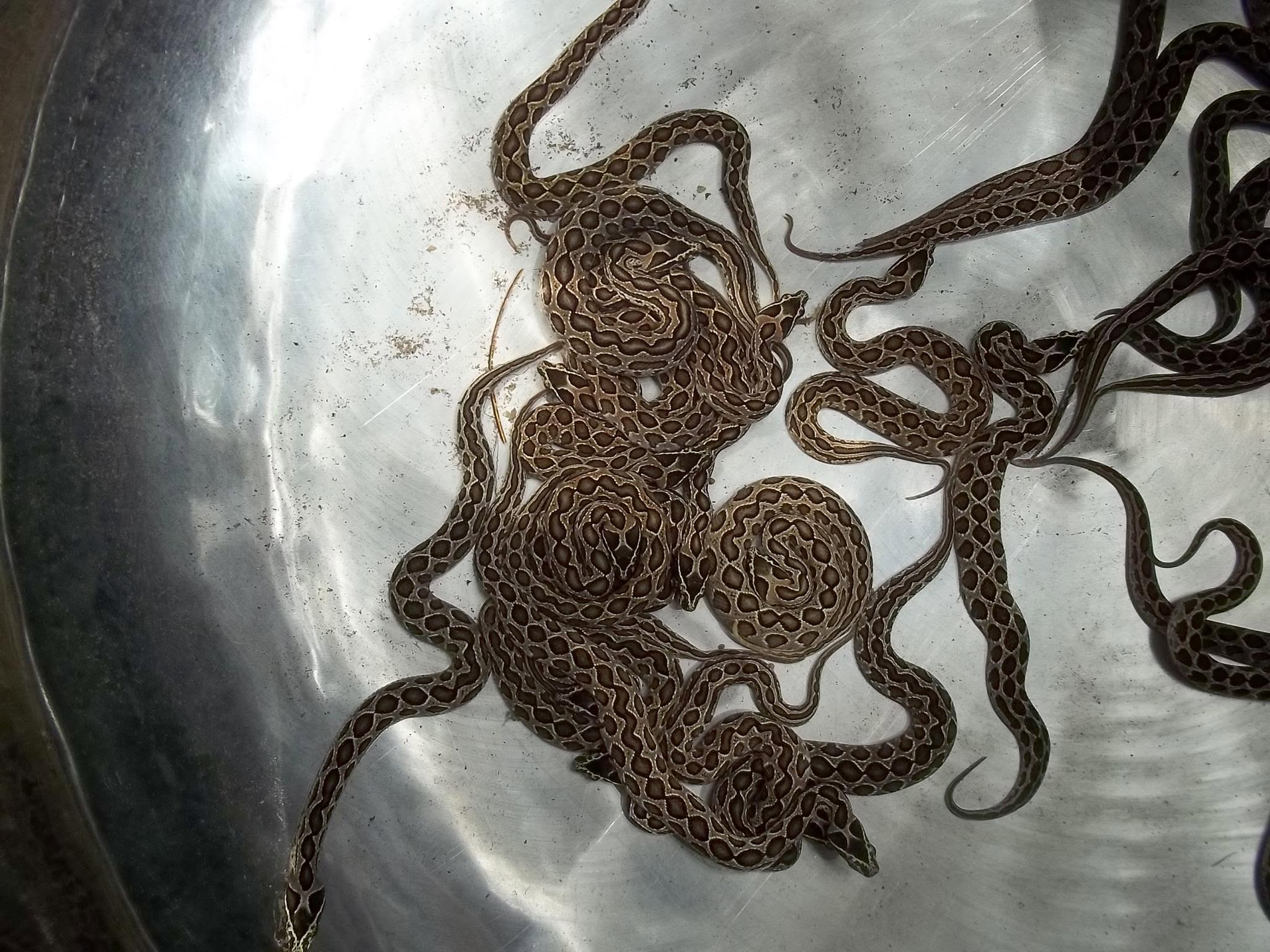
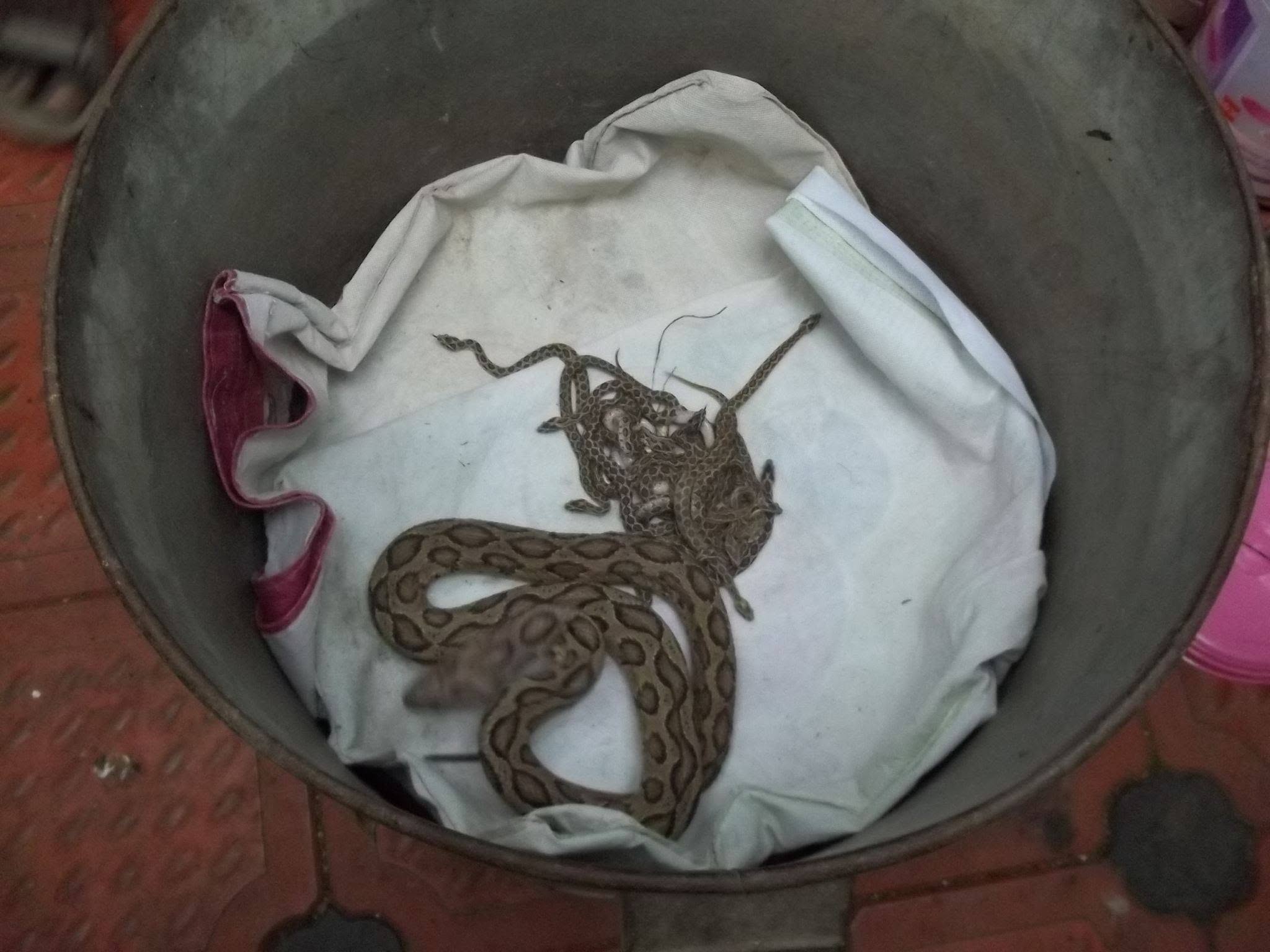
Russell's Viper Hatching at V.O.C. Mini Zoo, Coimbatore
- Dr. Krishnamoorthy Asokan, while serving as Zoo Director at the V.O.C. Mini Zoological Park, Coimbatore, contributed to the successful captive breeding and birth of Russell's Viper (Daboia russelii) offspring. His work involved specialized veterinary care, monitoring of gravid snakes, safe management of venomous hatchlings, and conservation-oriented rehabilitation. Contemporary reporting identified Dr. K. Asokan as the Zoo Director during documented Russell's Viper hatchling events at the V.O.C. Zoo
- Russell's Viper Baby Birth Method
- Russell's Vipers (Daboia russelii) are ovoviviparous (more accurately, live-bearing snakes). Unlike egg-laying snakes, the developing young remain inside the mother's reproductive tract until they are sufficiently developed. The female then gives birth to live young, enclosed in a thin transparent membrane that usually breaks soon after birth. Therefore, Russell's Viper babies are born alive and do not normally hatch from externally laid eggs.
- At the V.O.C. Mini Zoo, Coimbatore, the gravid female Russell's Viper was carefully monitored, and the newborn young were safely managed under the veterinary supervision of Dr. Krishnamoorthy Asokan.
Indian Rock Python Egg Hatching at V.O.C. Mini Zoo,
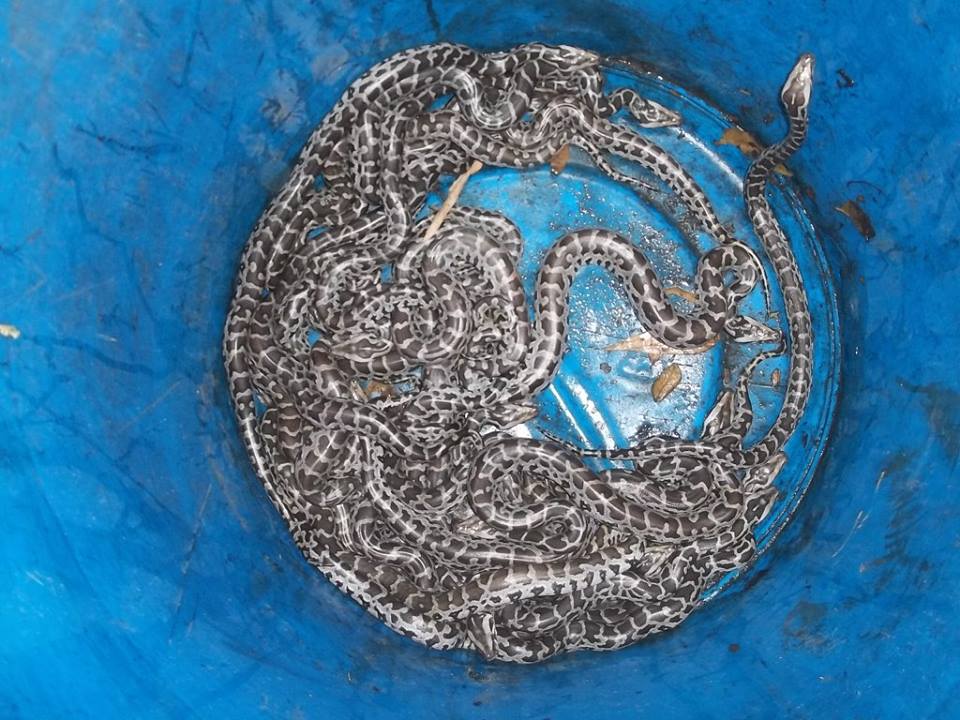
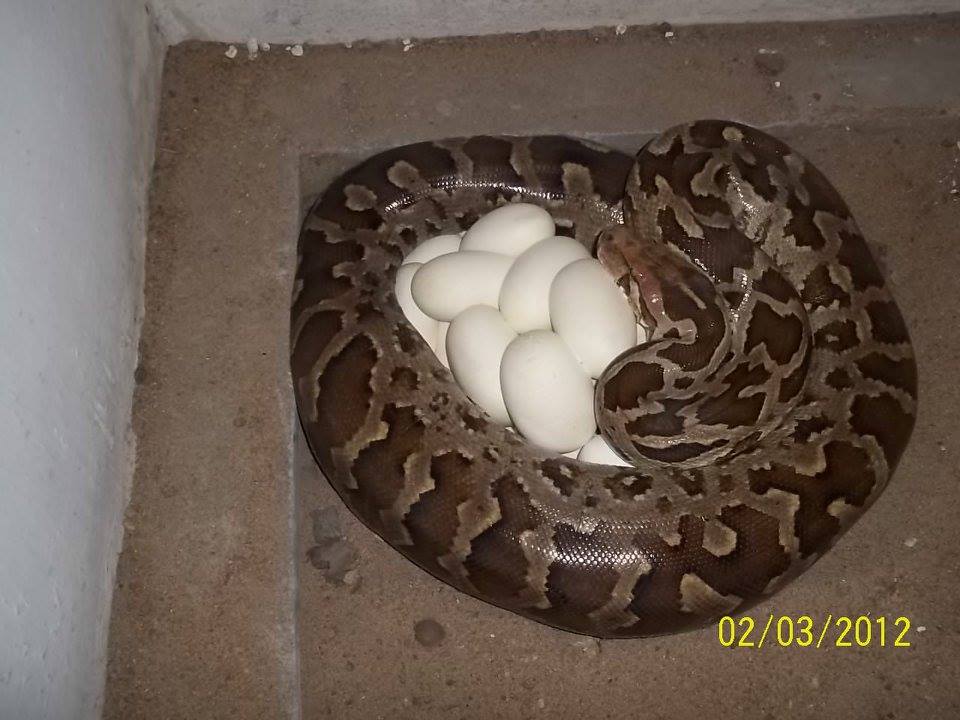
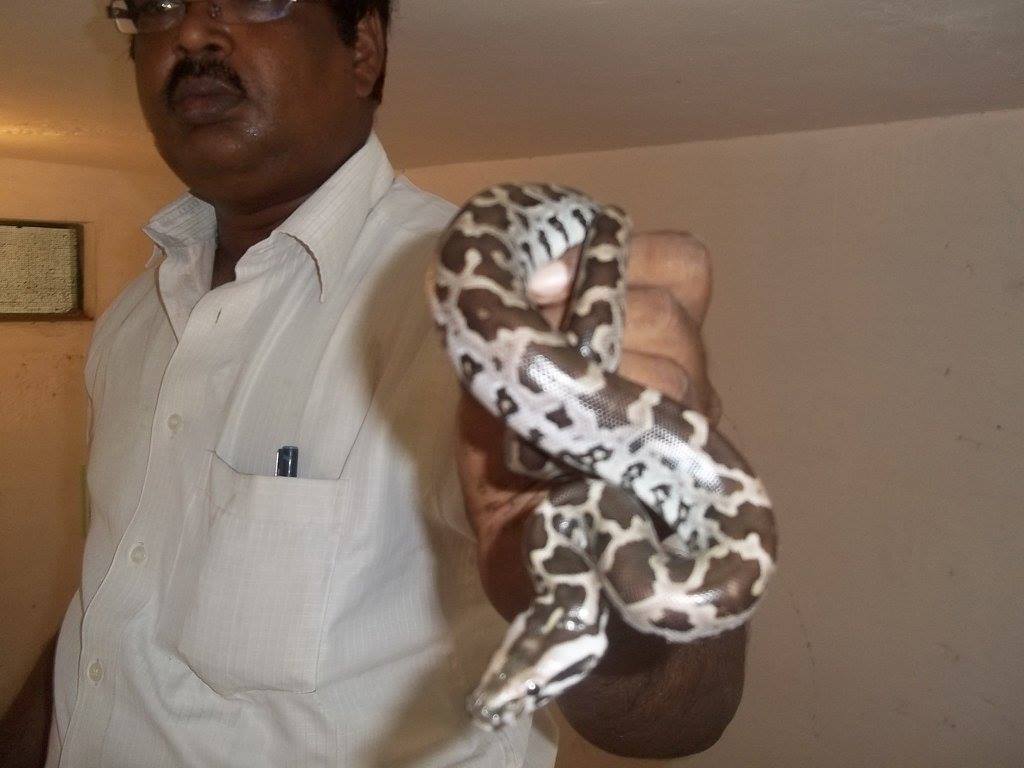
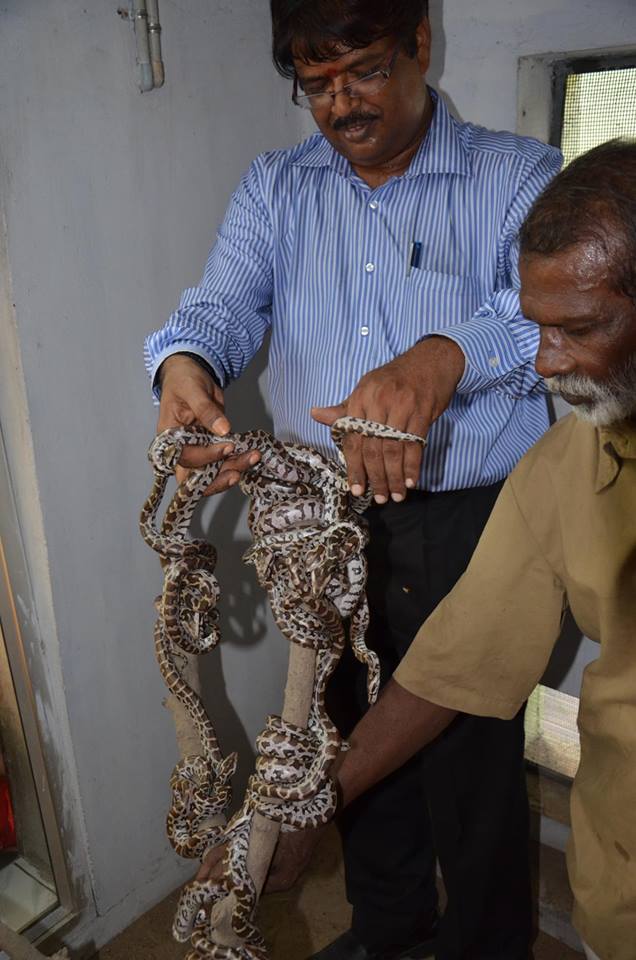
- While serving as Zoo Director of the V.O.C. Mini Zoological Park, Coimbatore, Dr. Krishnamoorthy Asokan successfully managed a notable Indian Rock Python (Python molurus) breeding and egg-hatching programme. After mating, the gravid female laid 23 eggs. The eggs were carefully monitored under controlled conditions, and 22 healthy python hatchlings successfully emerged. This event was reported in 2012 as a first for the Coimbatore zoo.
- The successful hatching programme involved careful management of the breeding pair, monitoring of the female after egg-laying, maintenance of an appropriate warm environment, and continuous veterinary supervision. The female python remained closely associated with the clutch, while the eggs were maintained in a temperature-controlled environment at approximately 30°C-40°C
Female Python Treatment & Successful Hatching
- At the V.O.C. Mini Zoological Park, Coimbatore, a female Indian Rock Python (Python molurus) received careful veterinary monitoring and management under Dr. Krishnamoorthy Asokan, Zoo Director. Following egg laying, the python eggs were maintained in a separate, temperature-controlled environment and carefully nurtured. In the documented 2012 breeding event, the female laid 23 eggs, of which 22 successfully hatched, marking an important achievement for the zoo.
- Proper care of a gravid female python and her eggs is essential for successful reproduction. Female Indian Rock Pythons naturally coil around their eggs and help maintain a stable incubation temperature; when necessary, eggs can also be carefully transferred for artificial incubation under controlled conditions.
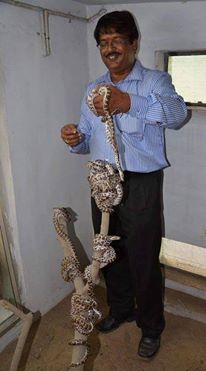
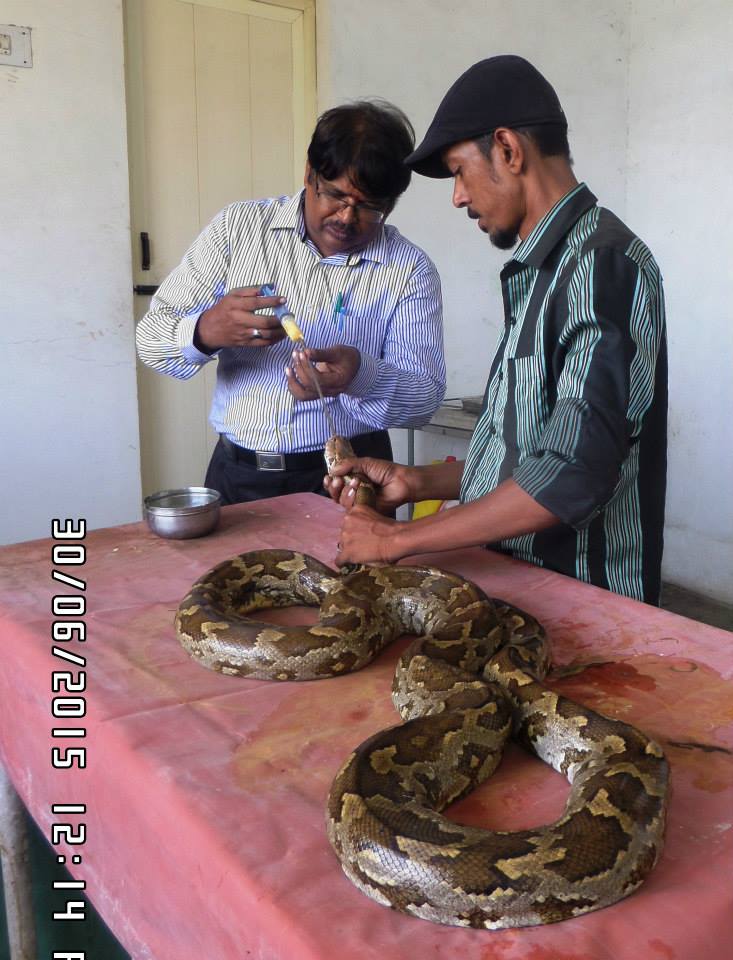
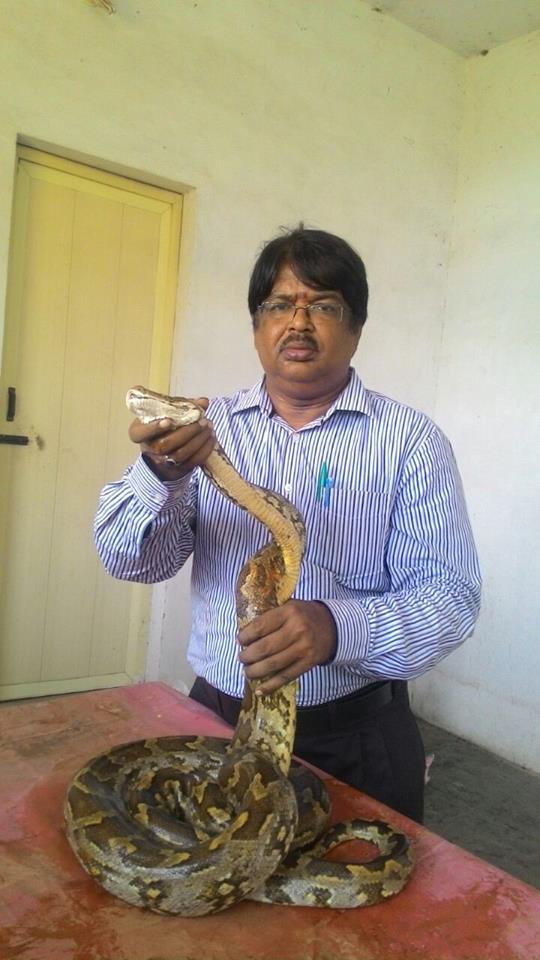
Coimbatore District’s first volunteer training programme
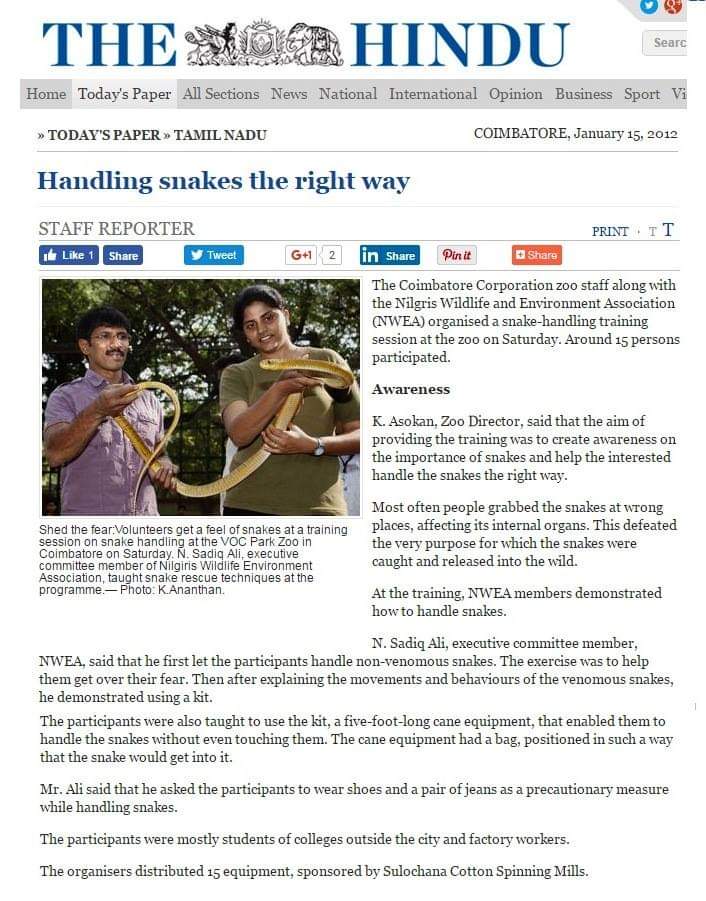
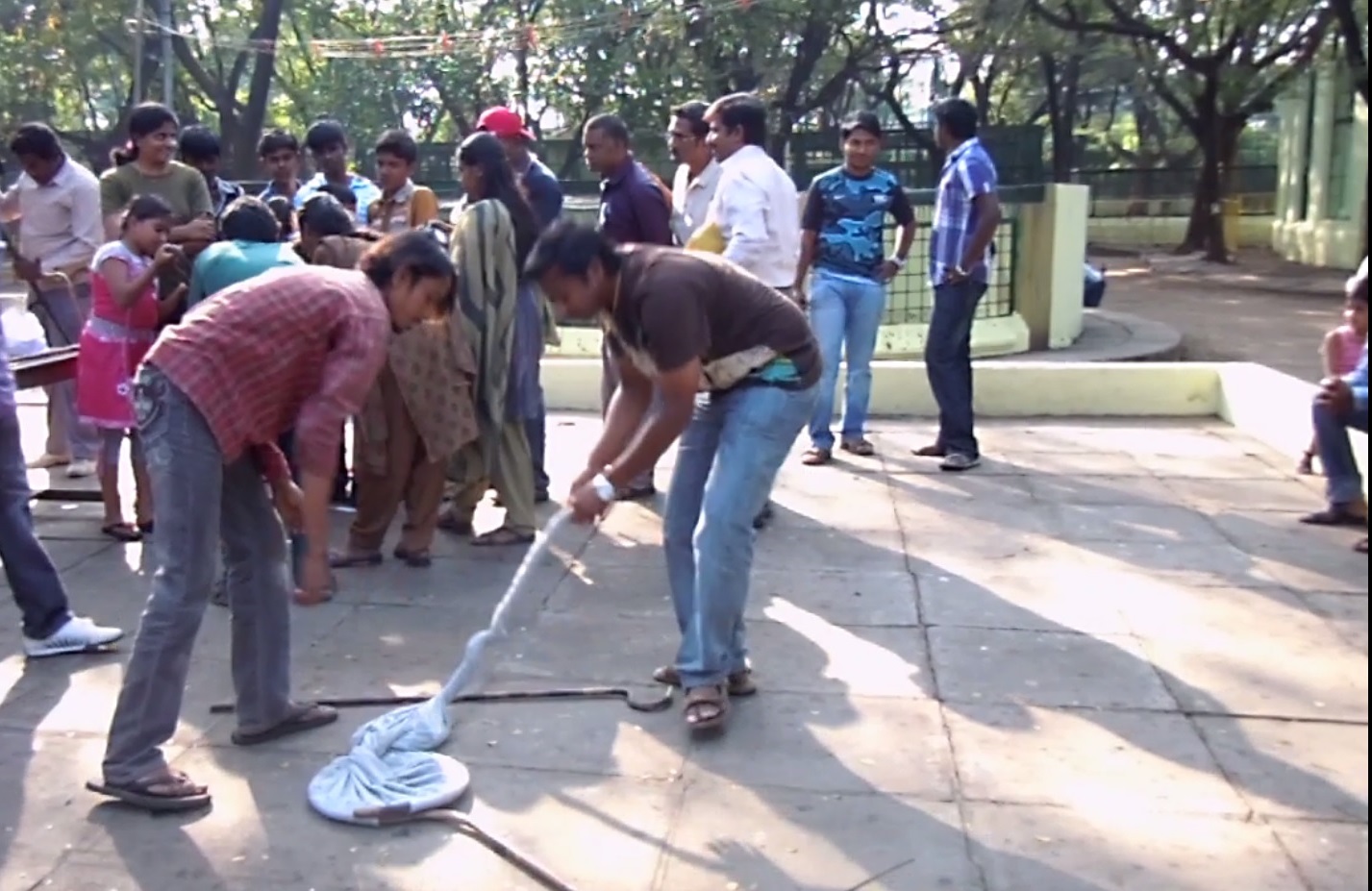
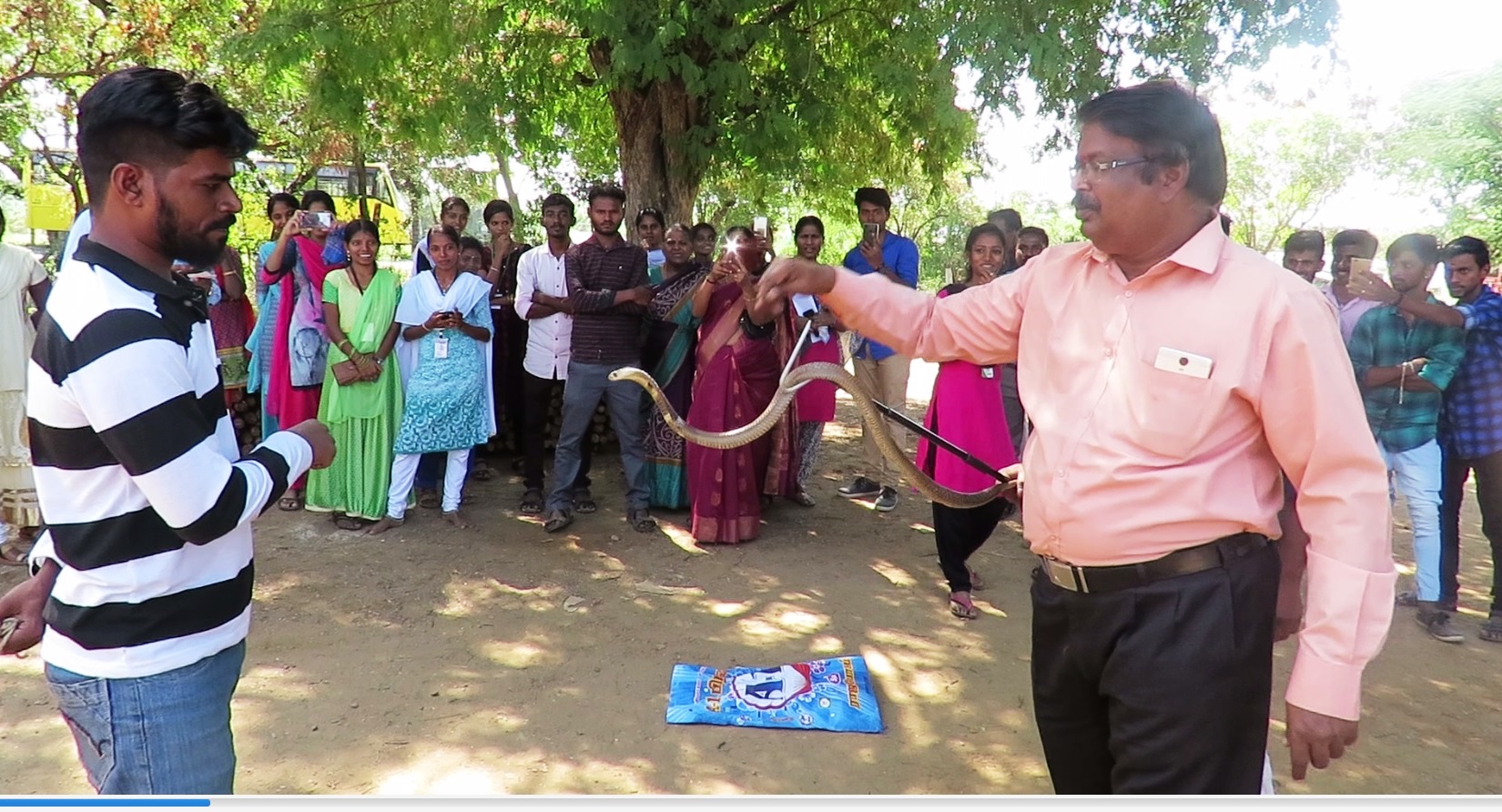
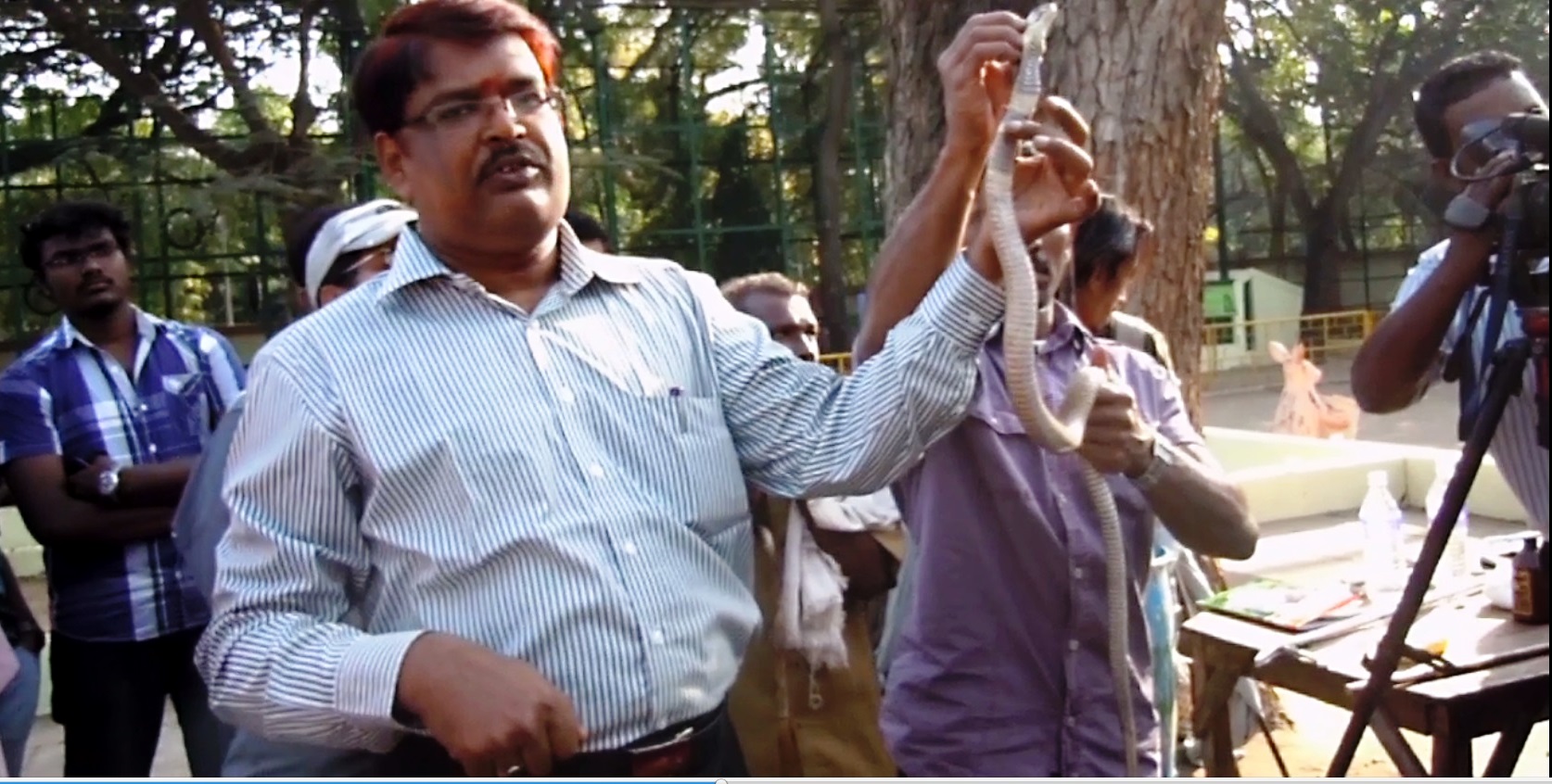
In 2013, Dr. Asokan organized Coimbatore District’s first Snake Rescue Volunteer Training Programme at V.O.C. Mini Zoological Park. The programme trained youth and women in safe snake rescue, handling, and conservation awareness, encouraging responsible community participation.
He also conducted numerous wildlife rescue, animal-handling, and emergency-response programmes for Tamil Nadu Forest Department field staff, strengthening capacity in rescue, rehabilitation, and human–wildlife conflict management.
Strengthening Tamil Nadu’s rescue network
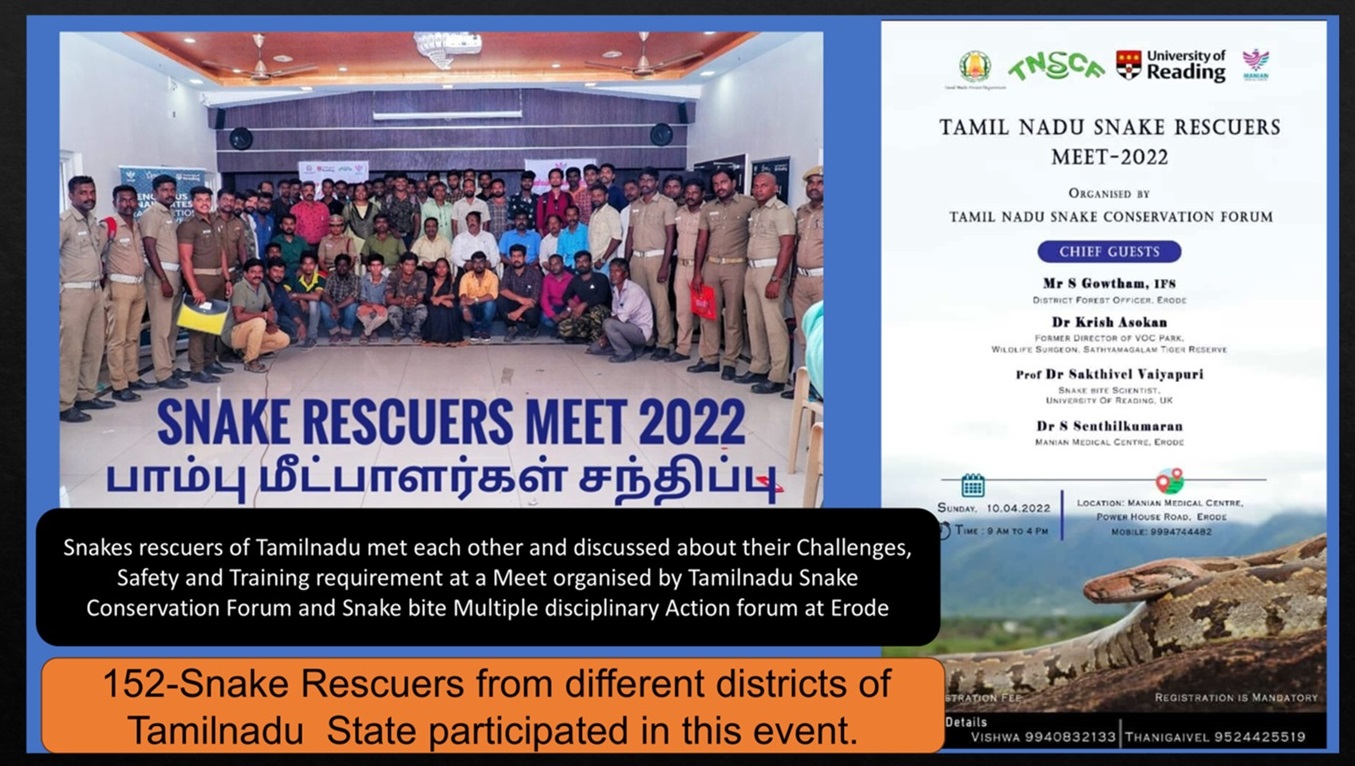
In 2022, Dr. Asokan participated as a resource person at a State-Level Snake Rescue Volunteers’ Meet organized by the Tamil Nadu Snake Conservation Society in collaboration with Erode Maniyan Medical Hospital.
The programme brought together around 150 snake rescue volunteers from across Tamil Nadu to promote safe rescue practices, conservation awareness, rescue protocols, and collaboration with the Forest Department.
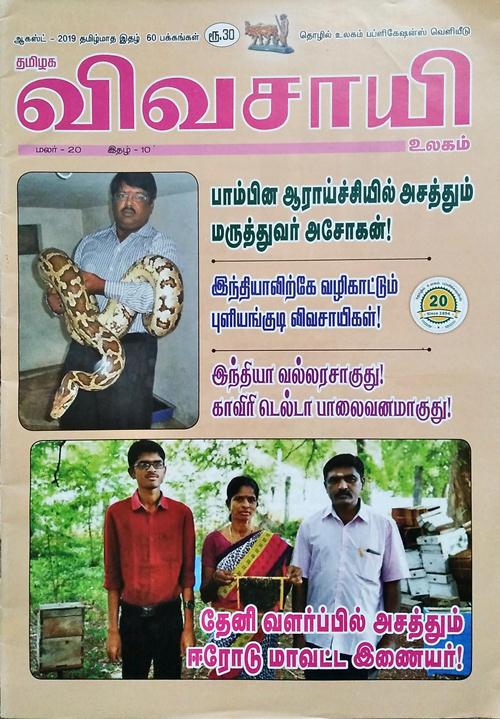
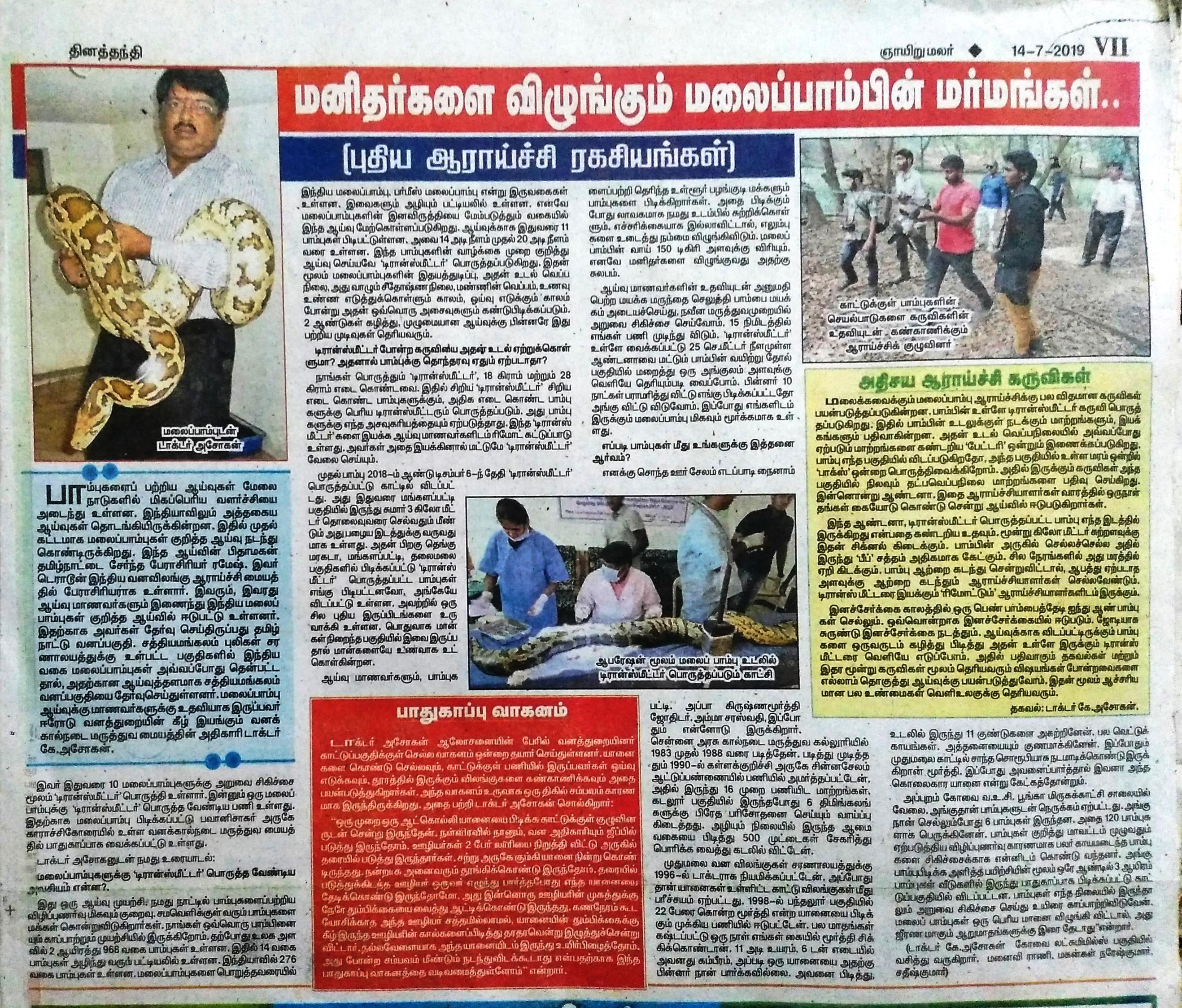
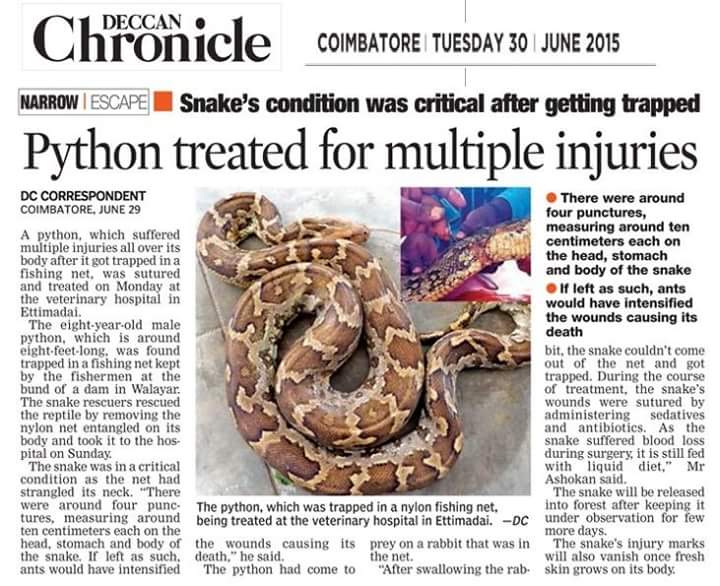
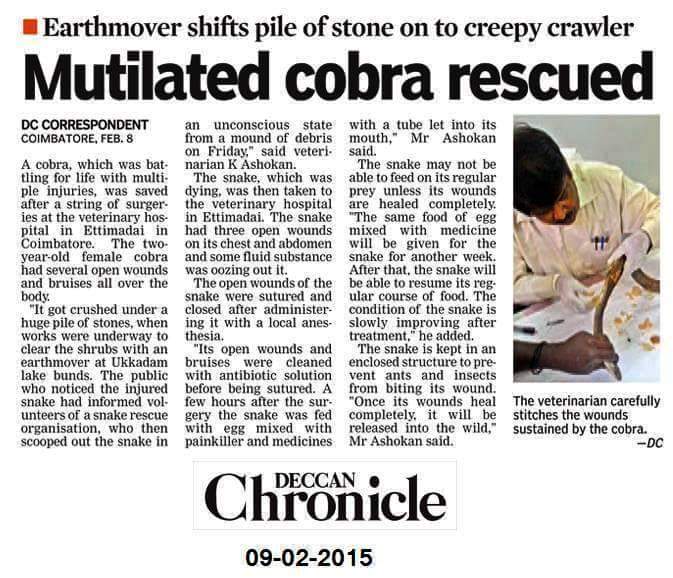
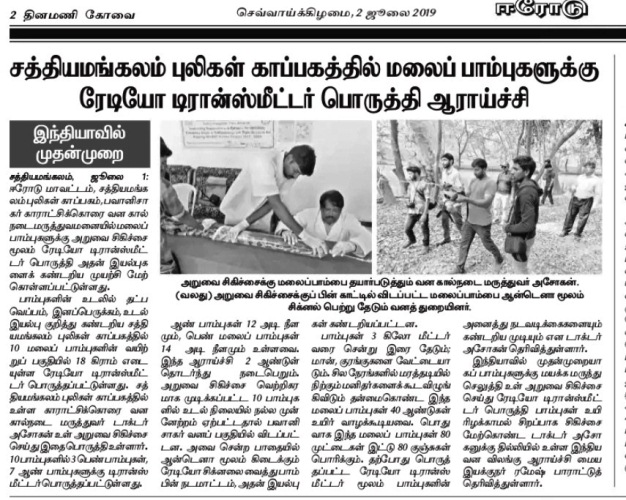
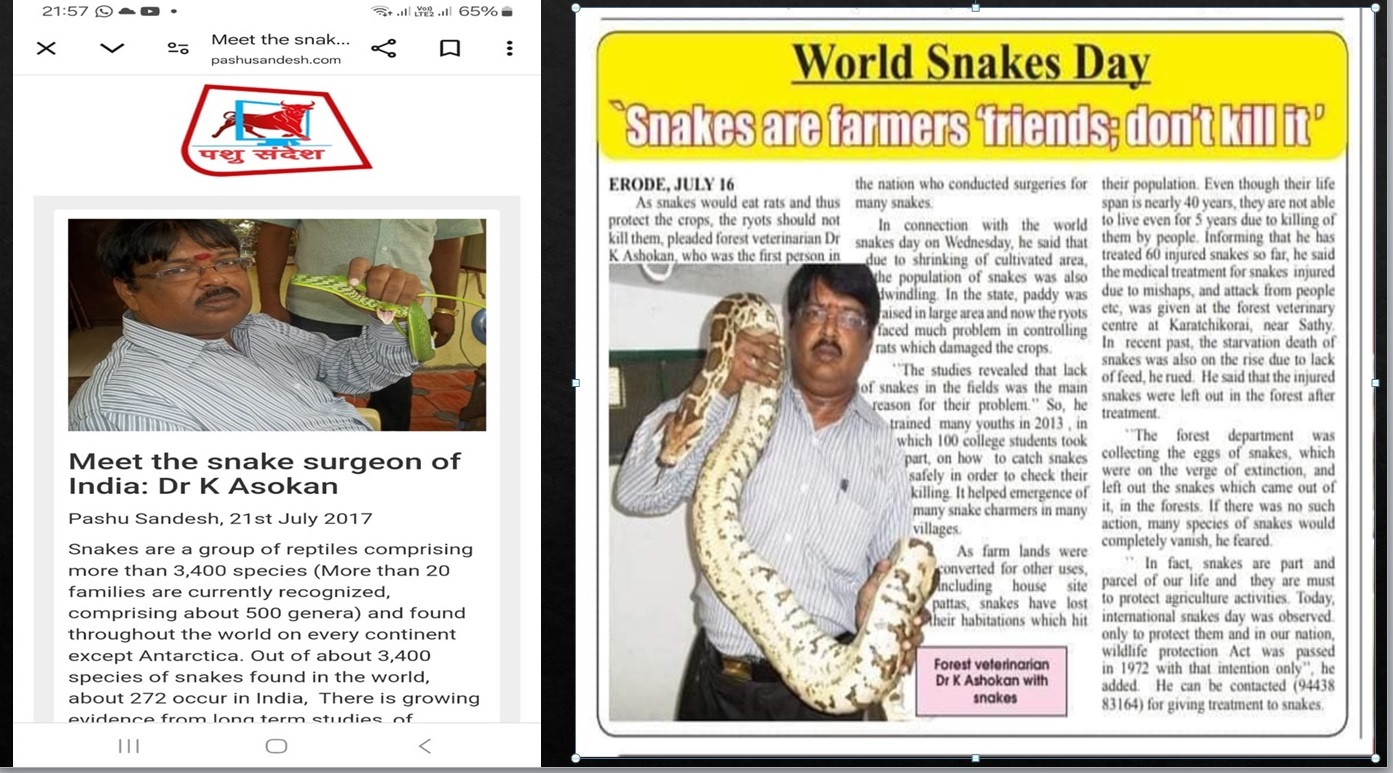
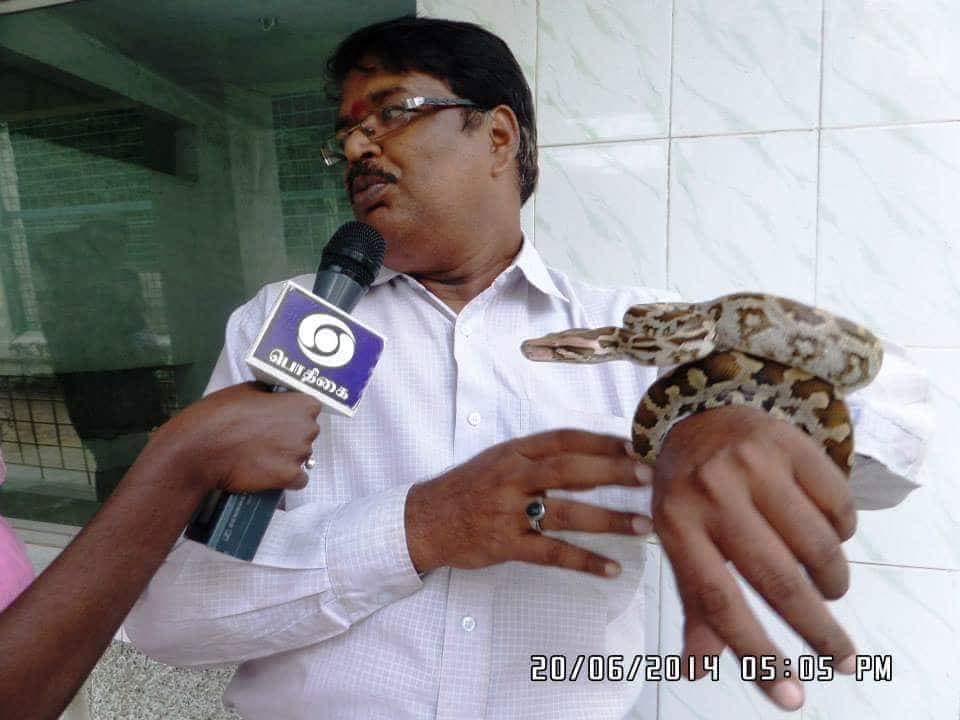
Press News-First-of-Its-Kind Snake Research, Surgery, Treatment and Rehabilitation in India