Emergency Rescue • Clinical Care • Rehabilitation

Other Wild Animals Rescue & Rehabilitation
Veterinary care for Indian gaur, leopards, deer, monkeys, civets, hedgehogs, chameleons, crocodiles, bats, turtles, and other native wildlife.
Other Wild Animals Rescue & Rehabilitation
Other Wild Animals Rescue and Rehabilitation

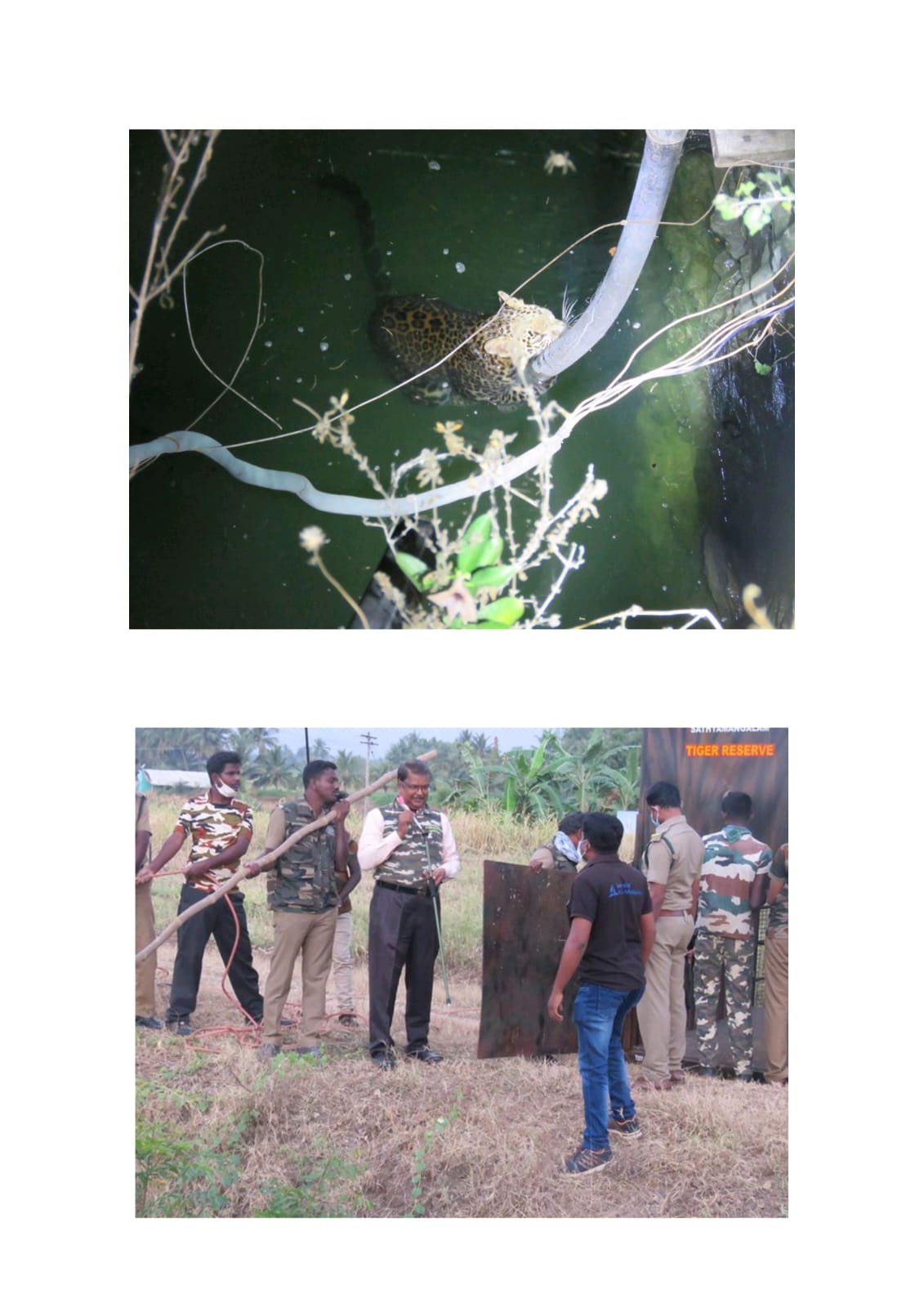
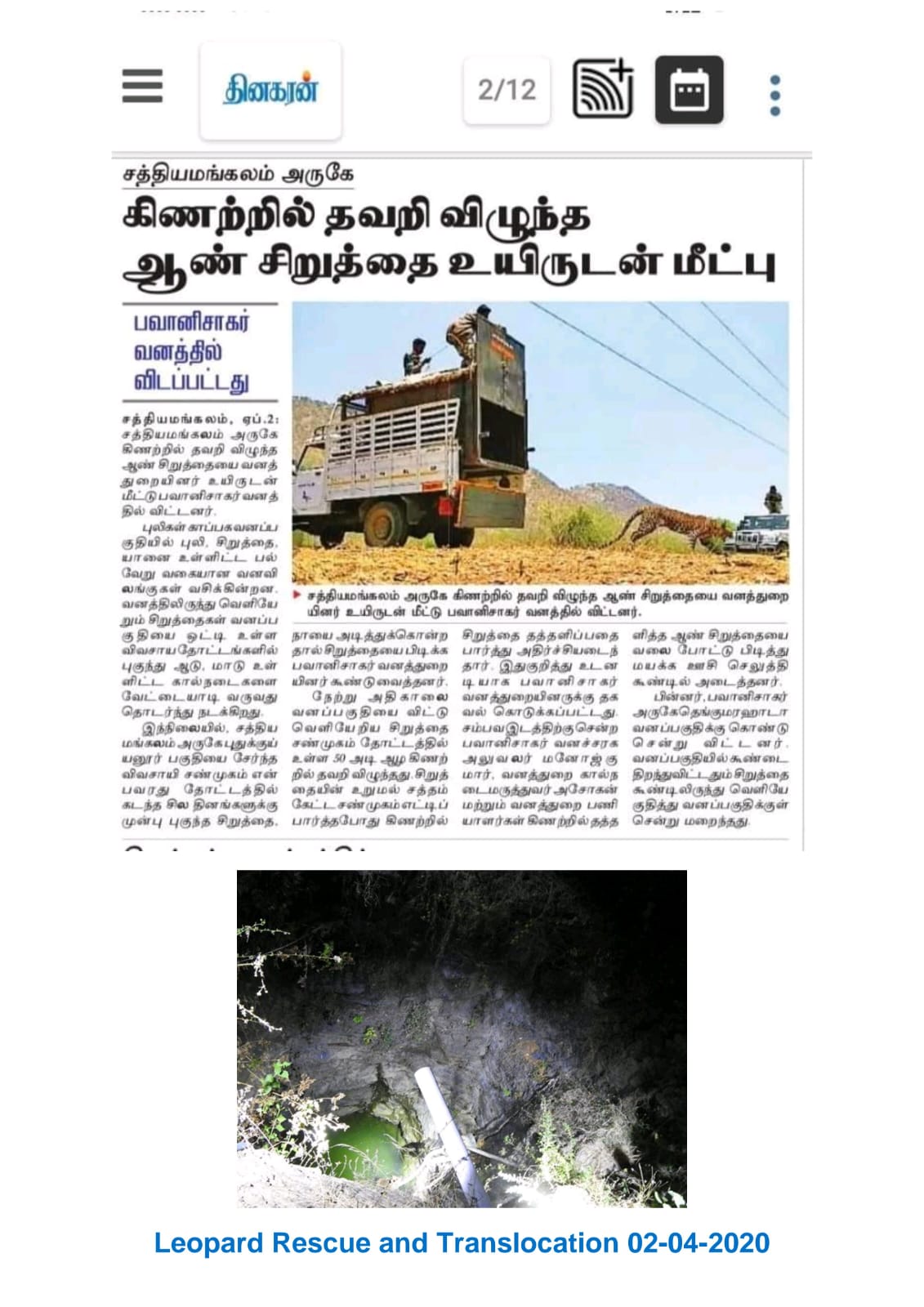
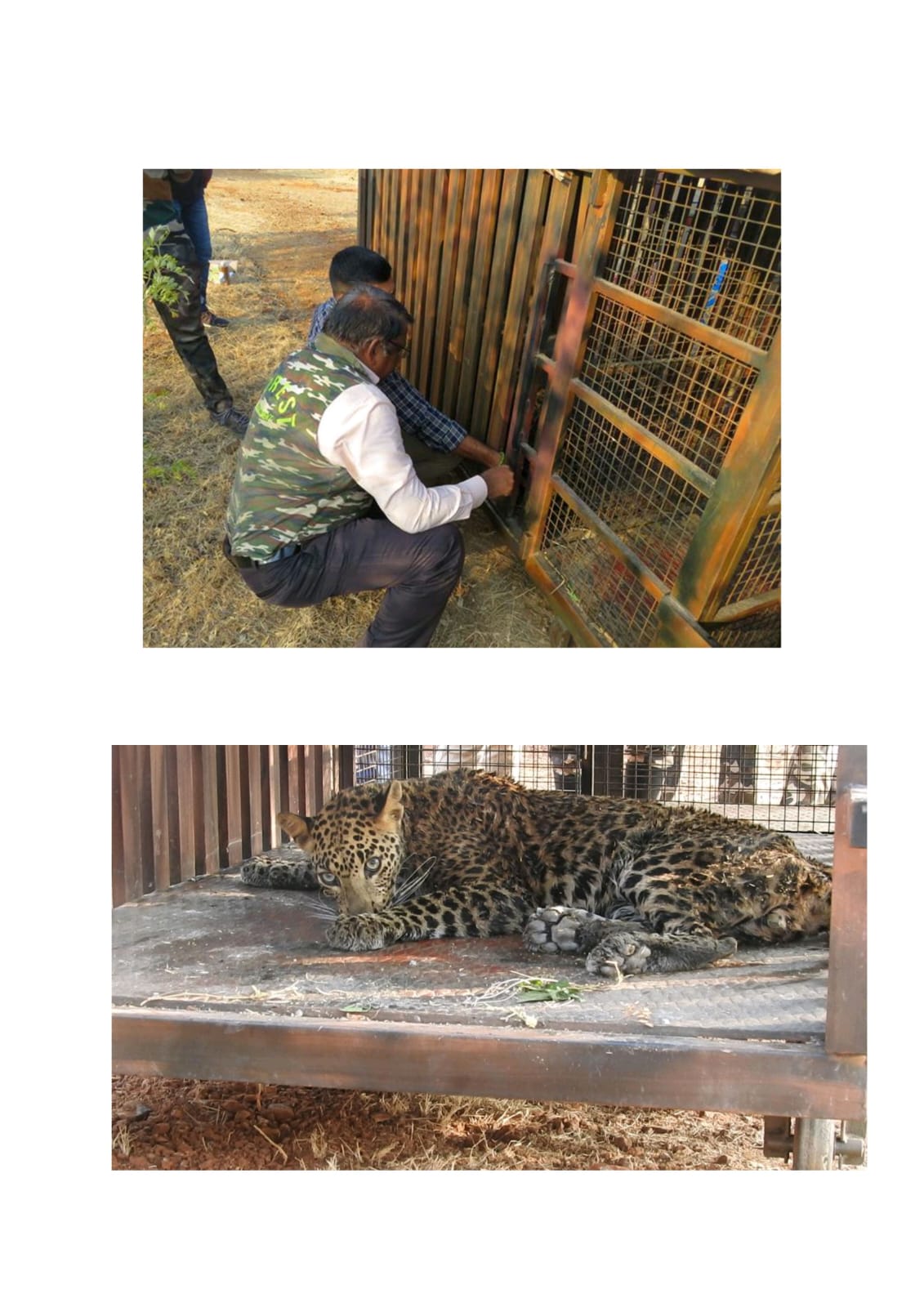
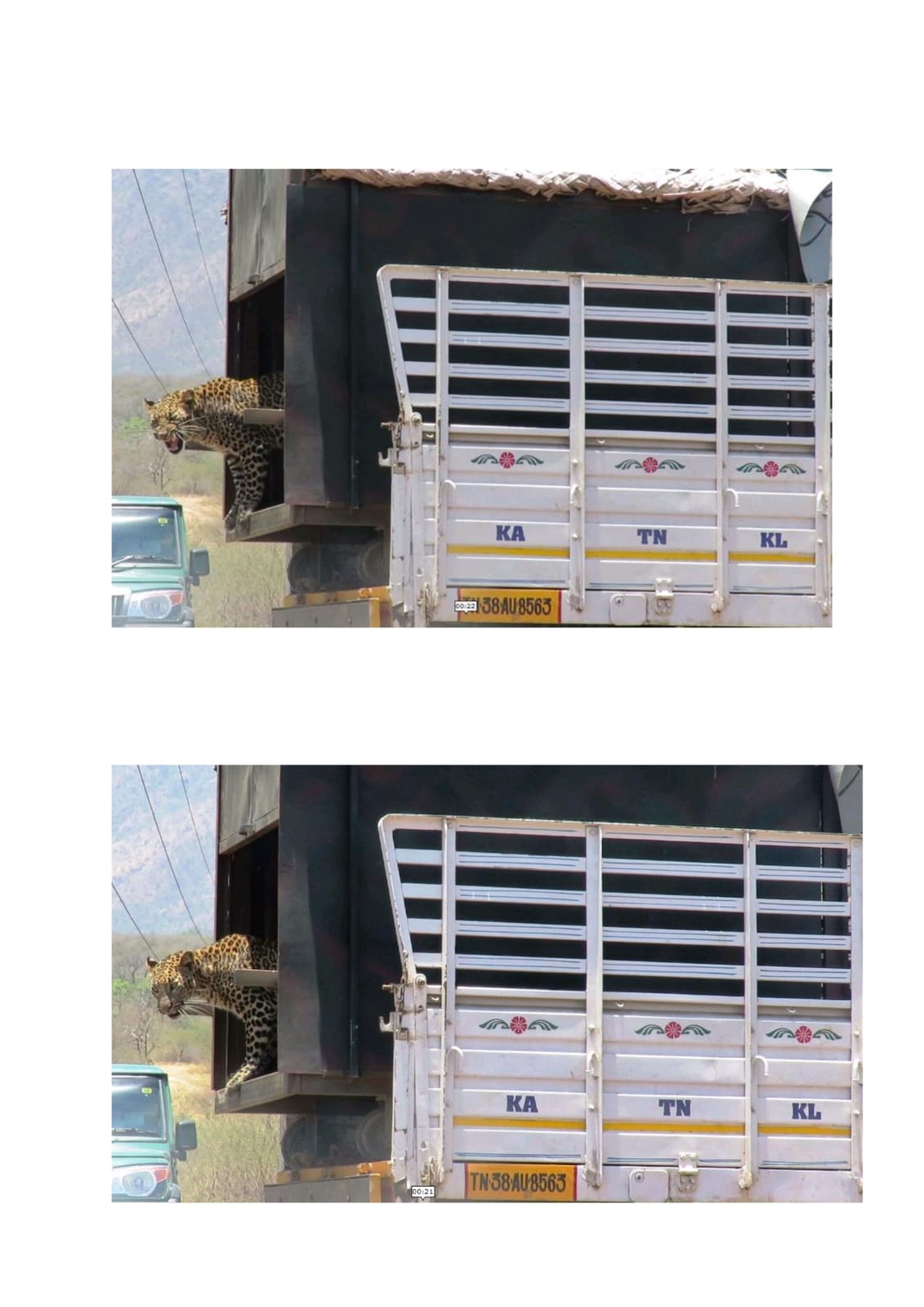
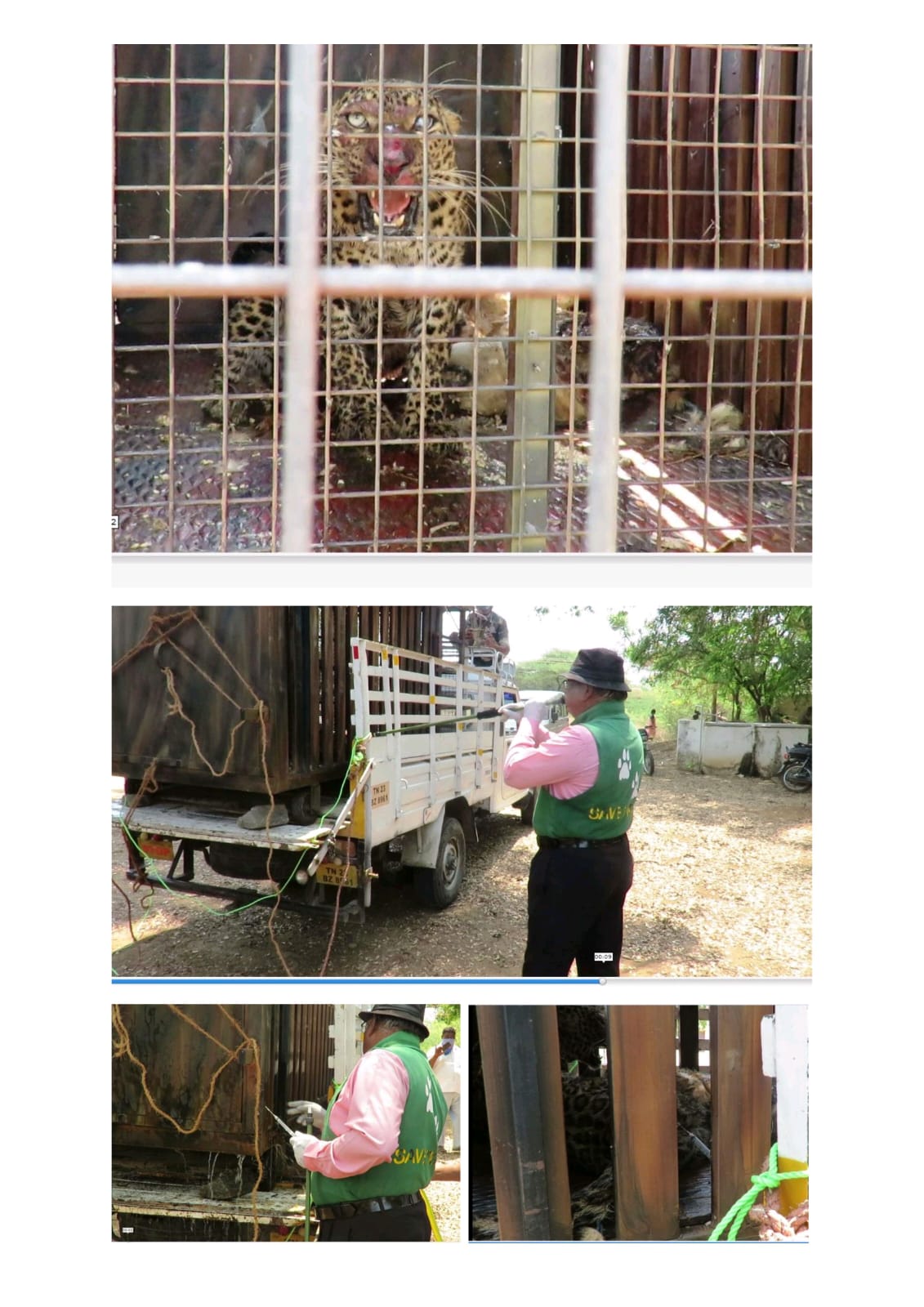
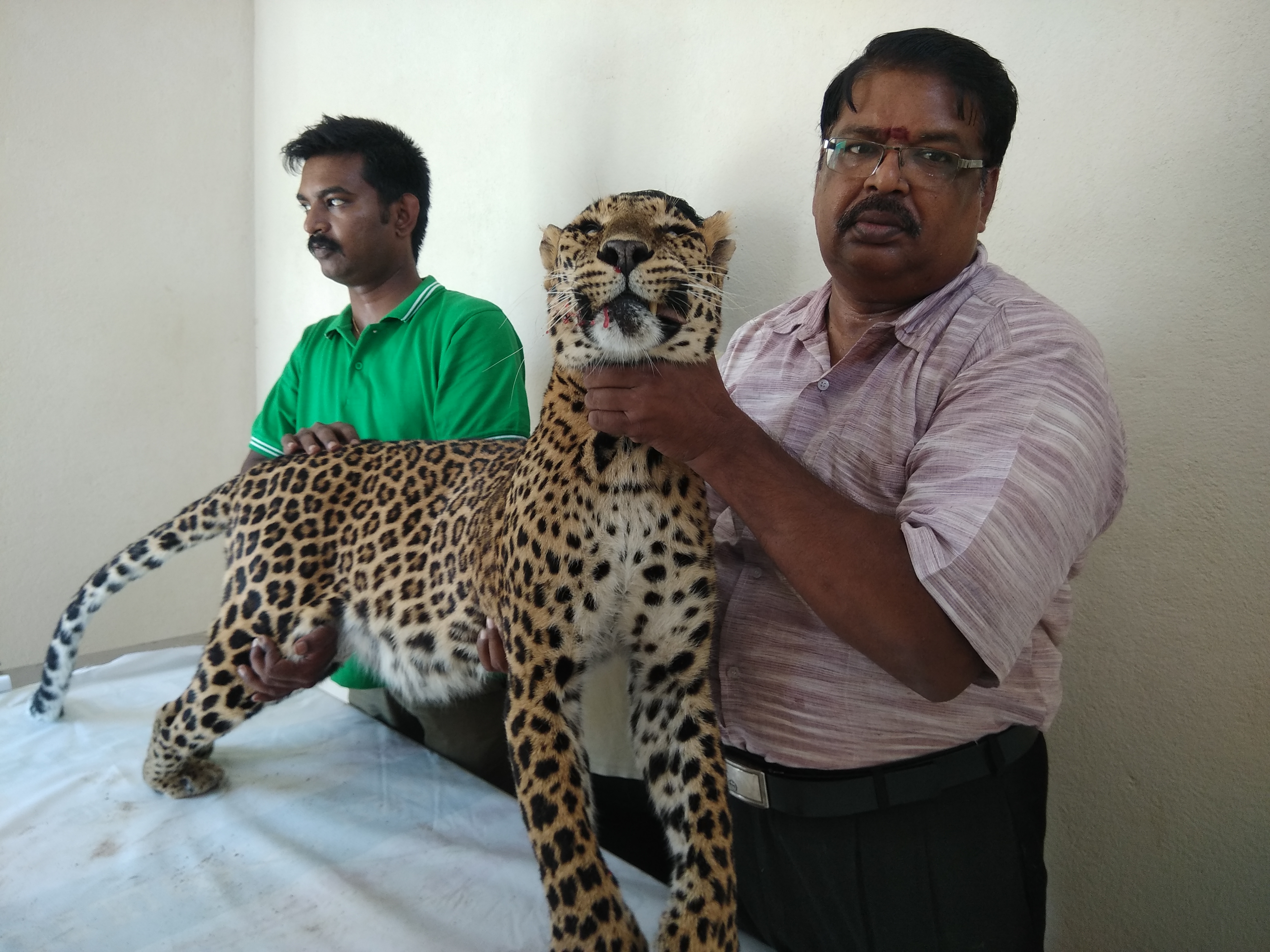
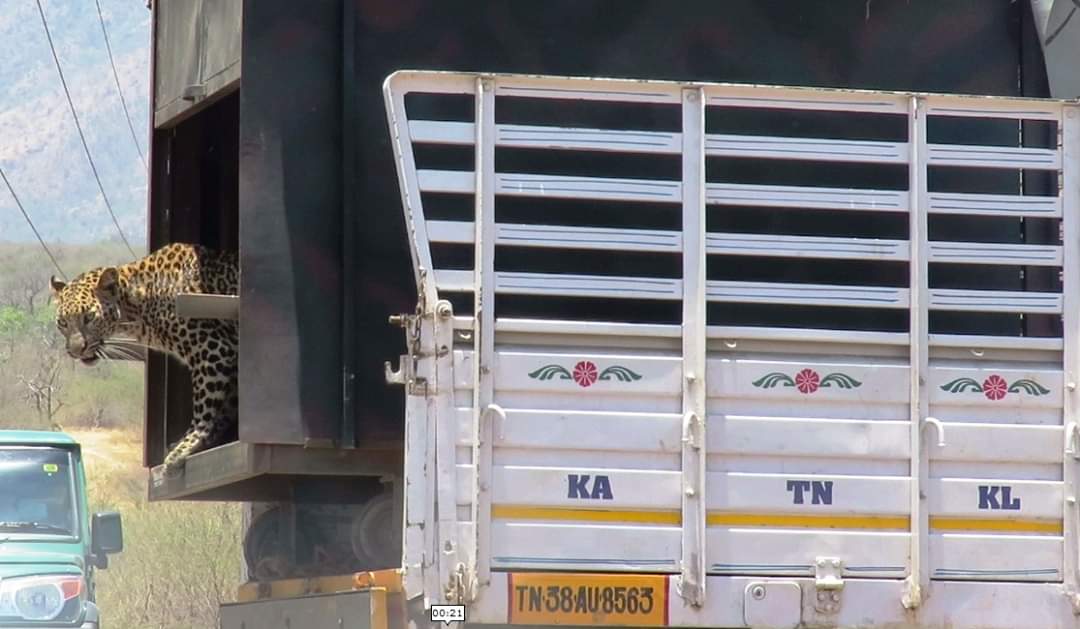
More than 1,000 free-ranging wild animals treated-Advancing Leopard Conservation through Rescue, Treatment, and Rehabilitation
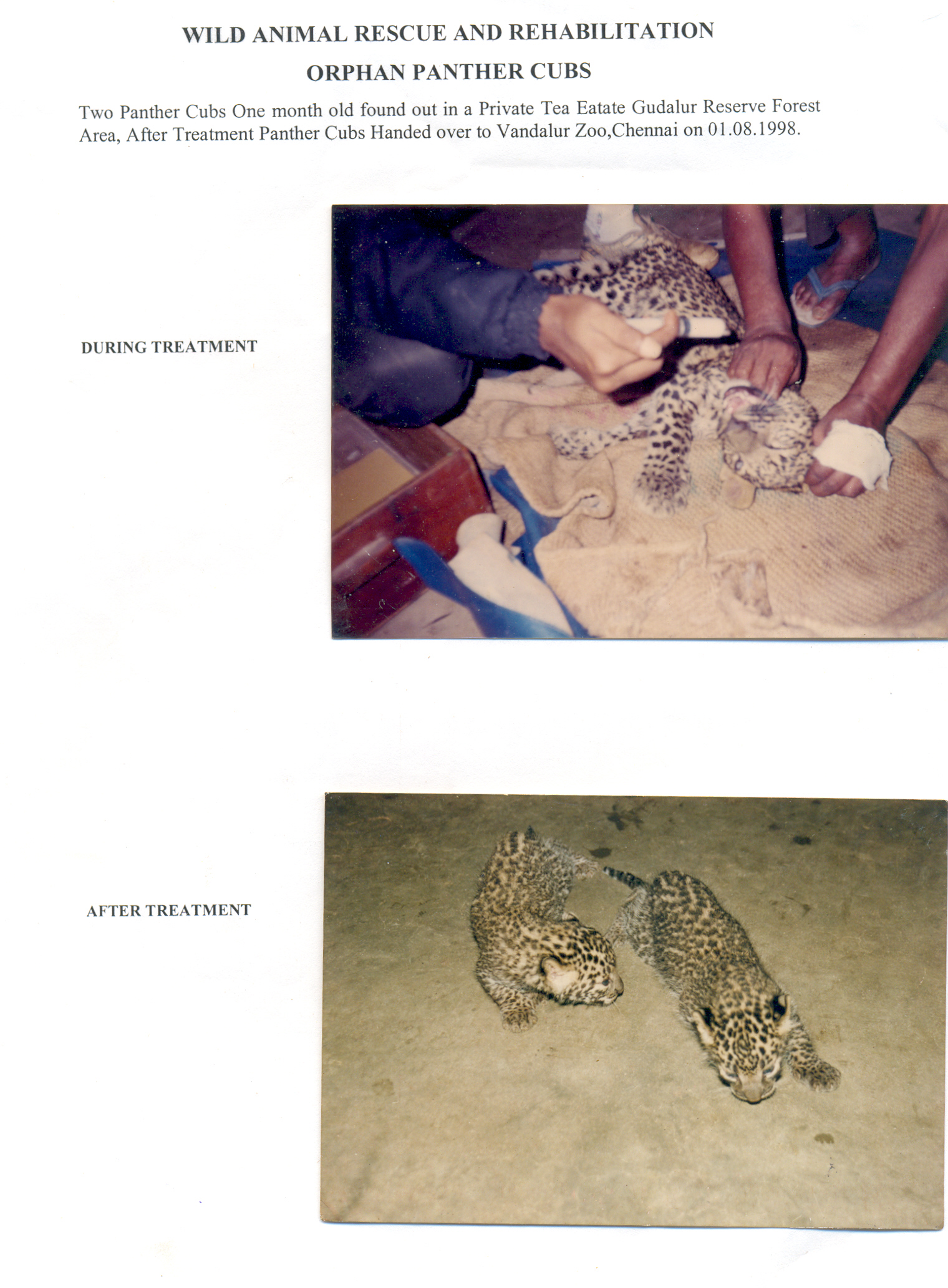
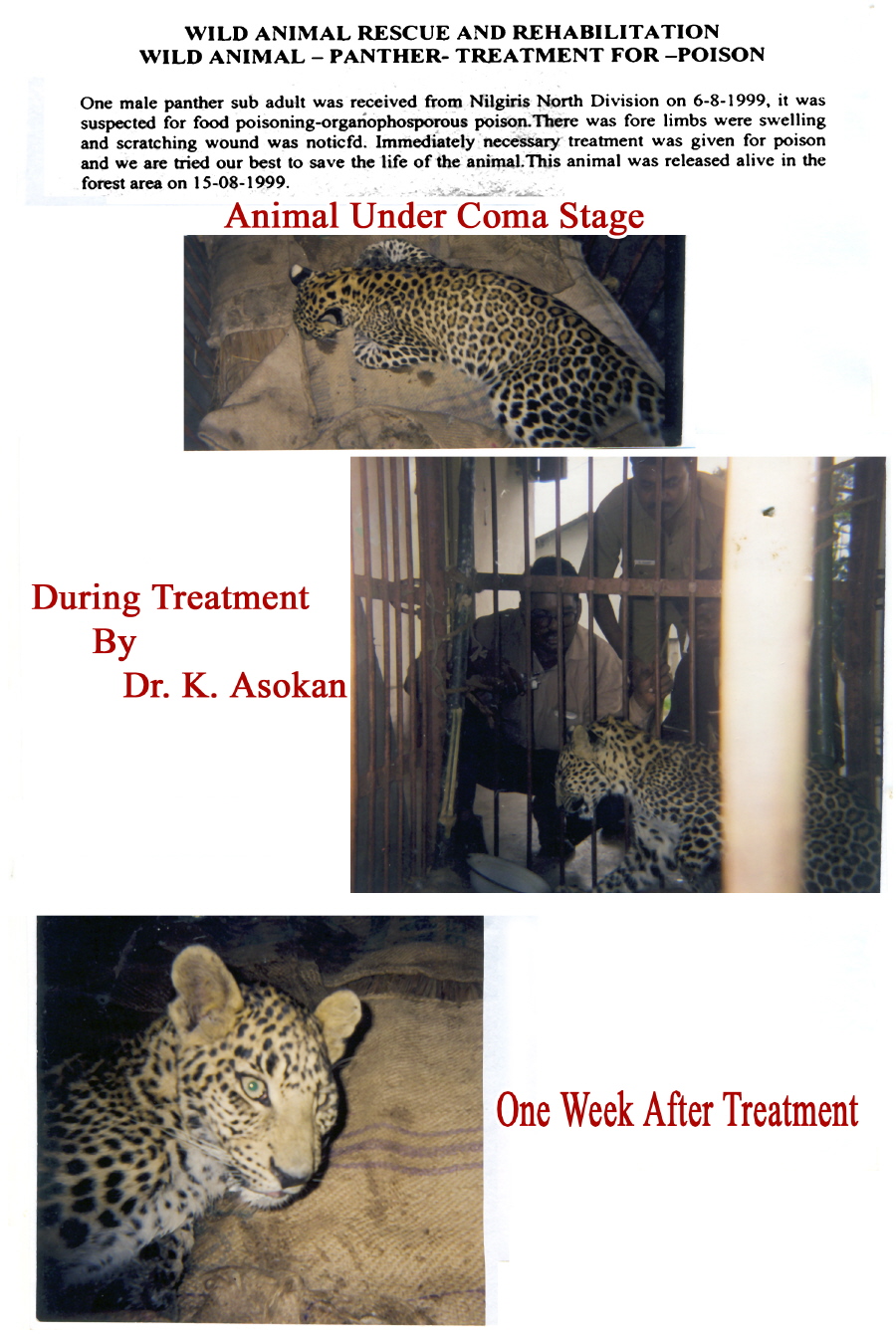
During his service as a Wildlife Veterinarian at Mudumalai Wildlife Sanctuary and National Park, Sathyamangalam Tiger Reserve, (1996–2022), Dr. Krish Asokan participated in the rescue, treatment, rehabilitation, and release of more than 10 wild leopards affected by injuries, poisoning, accidents, and human–wildlife conflict. One of the most notable rescue cases involved a wild leopard from Kotagiri that had preyed on cattle. In retaliation, poisoned bait was allegedly used, and the leopard developed severe poisoning. The critically ill animal was rescued and brought to the Mudumalai Elephant Camp for emergency veterinary treatment. Dr. Asokan provided intensive clinical care, including emergency stabilization, supportive therapy, and continuous monitoring for one week. Following a remarkable recovery, the leopard regained its normal health and was successfully released back into its natural forest habitat. This landmark rescue demonstrated the importance of timely veterinary intervention, coordinated teamwork with the Forest Department, and scientific wildlife management in mitigating human–wildlife conflict and conserving free-ranging leopard populations.
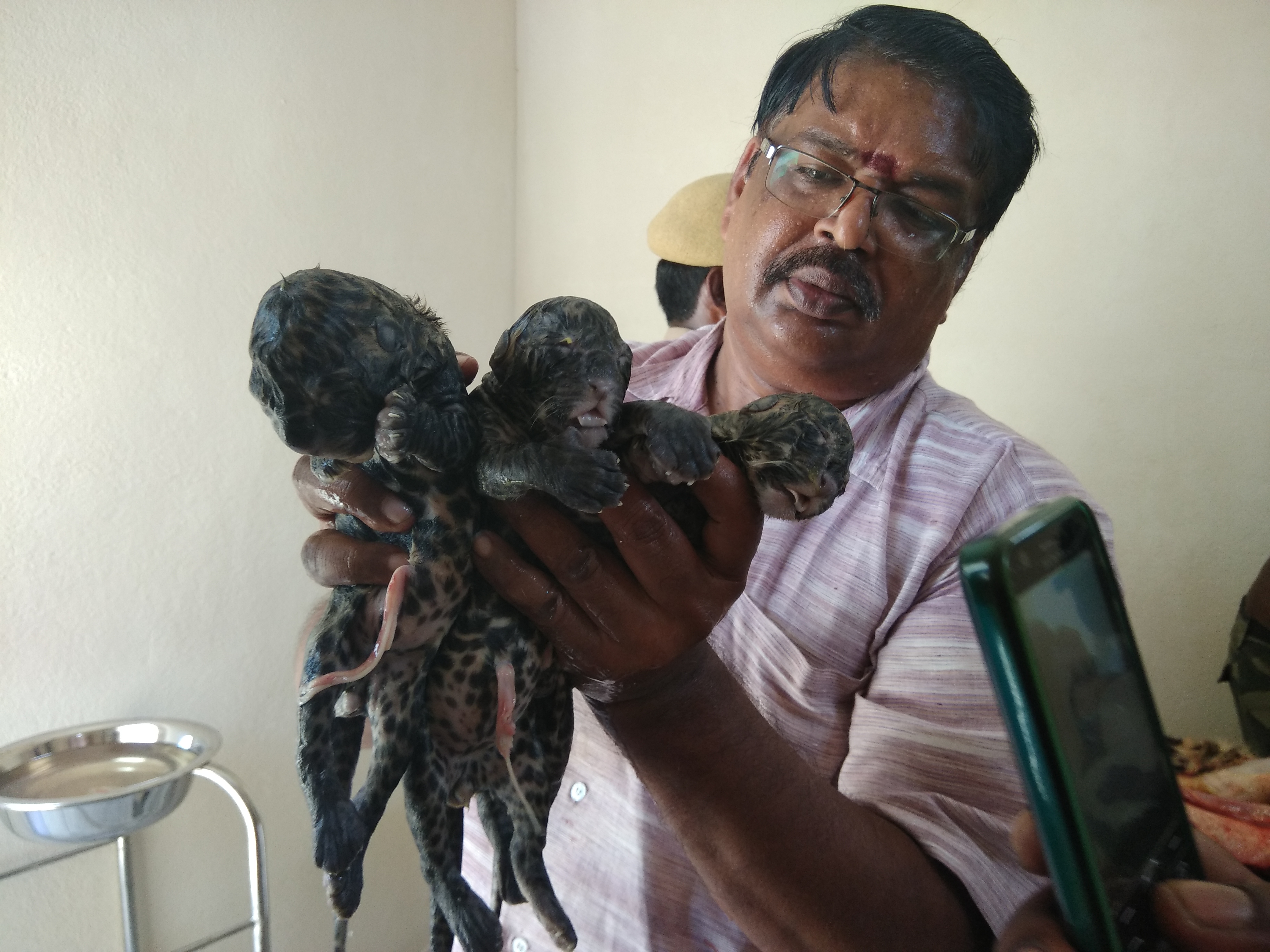
Orphan Panther Cubs   Treatment
p55
WhatsApp Image 2026 07 20 at 22.59.00 (1)
WhatsApp Image 2026 07 20 at 22.59.00 (2)
WhatsApp Image 2026 07 20 at 22.59.00
WhatsApp Image 2026 07 20 at 22.59.01
WhatsApp Image 2026 07 20 at 22.59.30
IMG 20170811 110537
IMG 20170811 134342
WhatsApp Image 2026 07 20 at 22.56.41
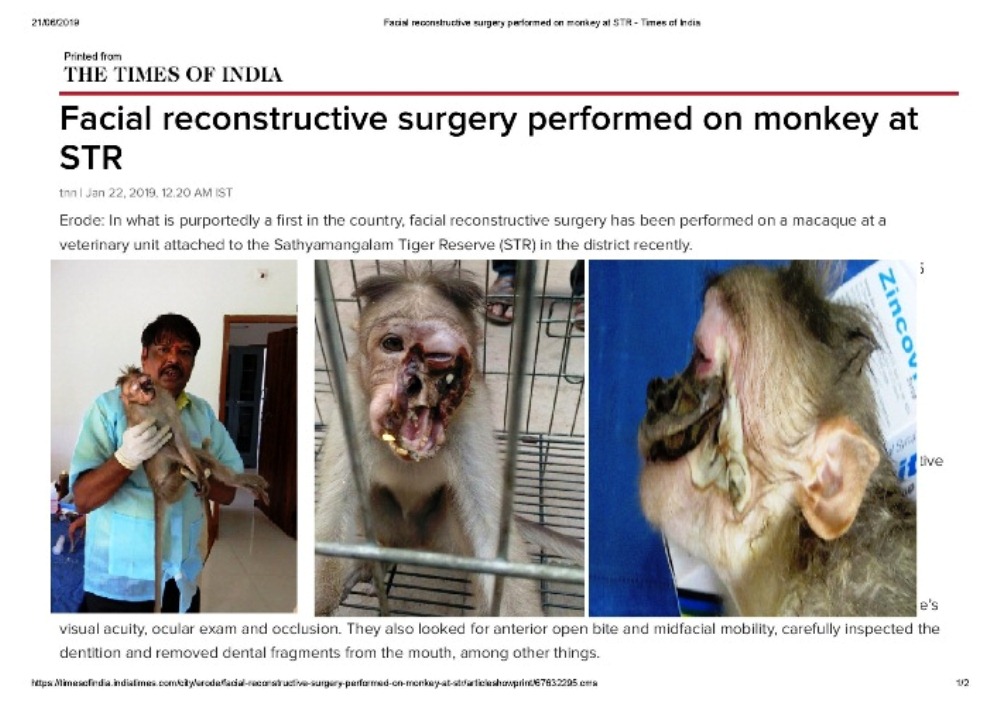
Ecological Pressures and Habitat Fragmentation – Bonnet Macaque

Urban stress, injury, nutrition, and captive welfare

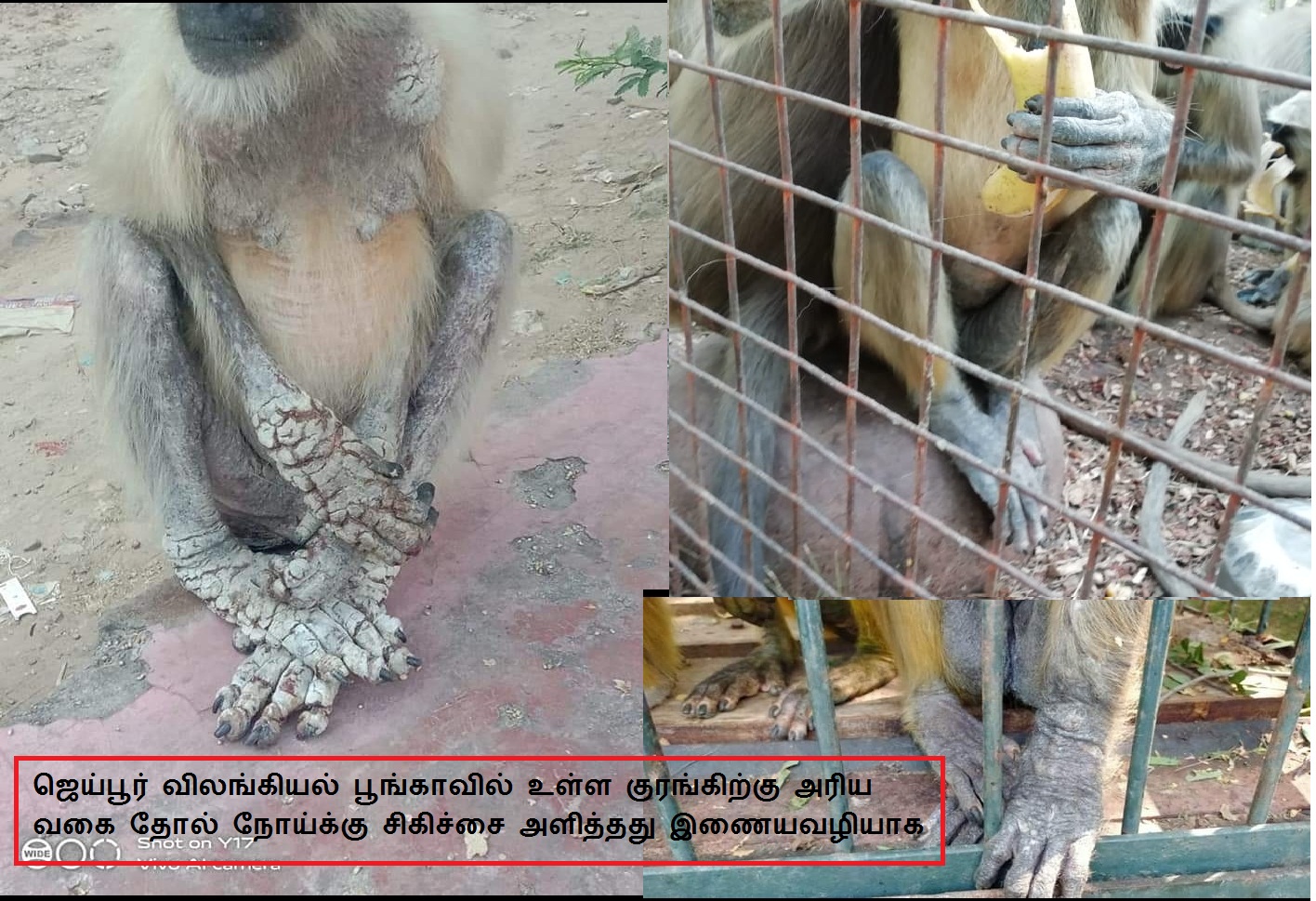
Bonnet macaques face severe ecological pressures from habitat fragmentation, road accidents, and chronic nutritional stress caused by scavenging in urban and temple areas. In captivity, confinement and improper diet may contribute to intense psychological stress, self-plucking, mange, fungal infection, bacterial dermatitis, and other persistent skin disorders.

Effective management requires habitat protection, roadside mitigation, species-appropriate nutrition, behavioural enrichment, low-stress handling, and targeted veterinary care.
m
monkey
Urbanization Stress and Capture Myopathy – Spotted Deer

Trauma compounded by physiological stress

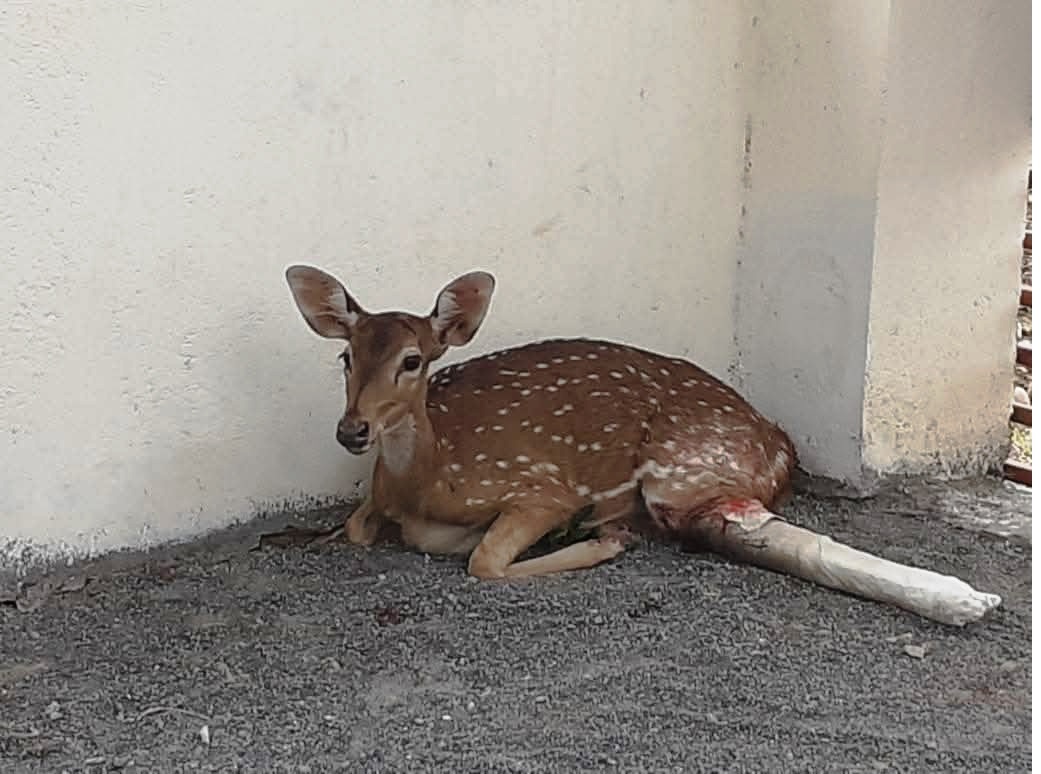
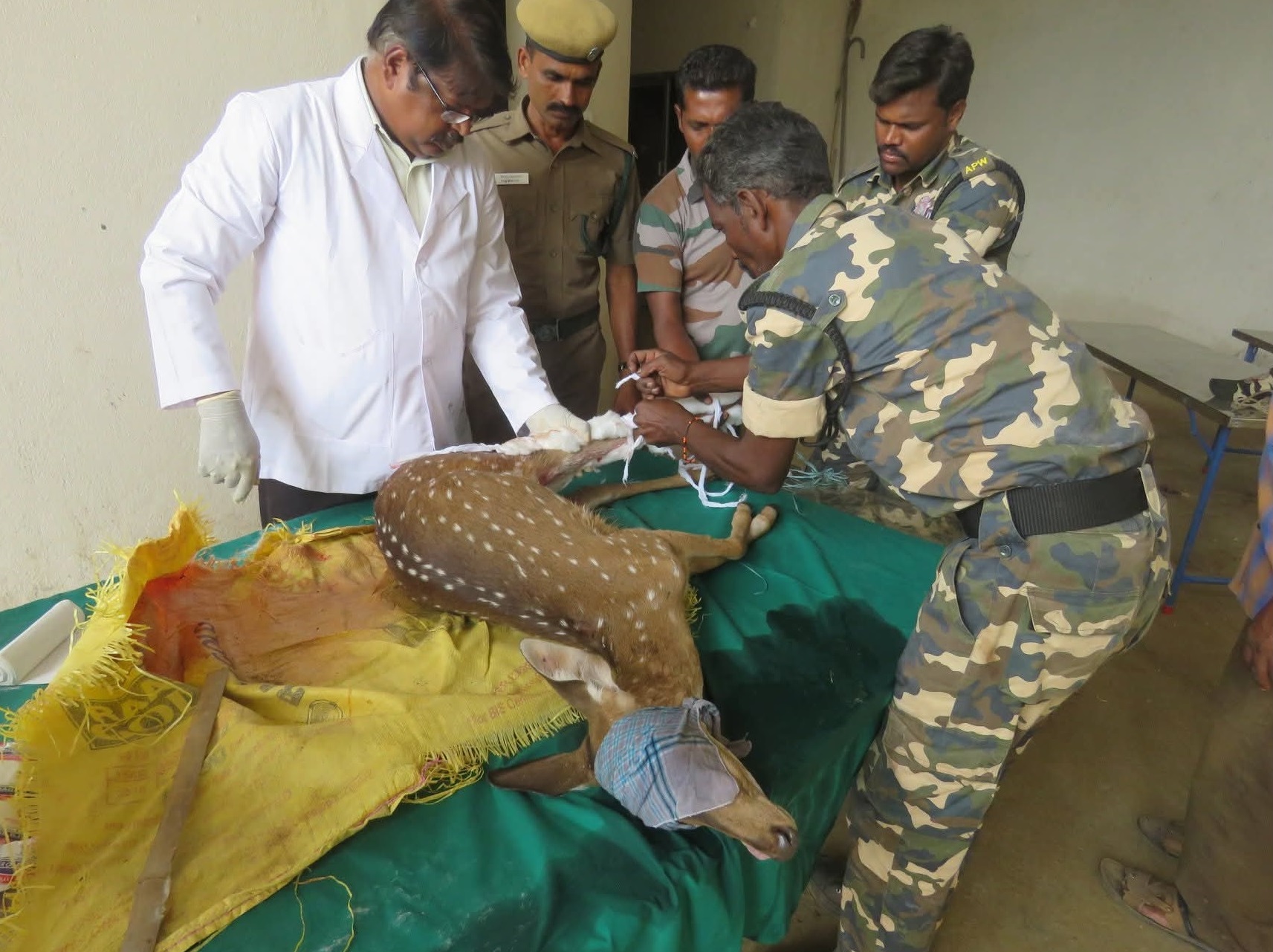
Spotted deer affected by urban encroachment frequently suffer bone fractures from vehicle collisions and deep tissue damage from feral-dog bites. These injuries may be compounded by capture myopathy, intense psychological stress, metabolic disturbance, and ingestion of anthropogenic food and plastic refuse.

Treatment requires emergency stabilization, meticulous wound debridement, careful orthopaedic intervention under low-stress protocols, and transition to high-fibre natural diets.
2
deer
Civets and Hedgehogs in Urbanized Landscapes

Habitat loss, Stress, Food scarcity, Accidents, and Rehabilitation

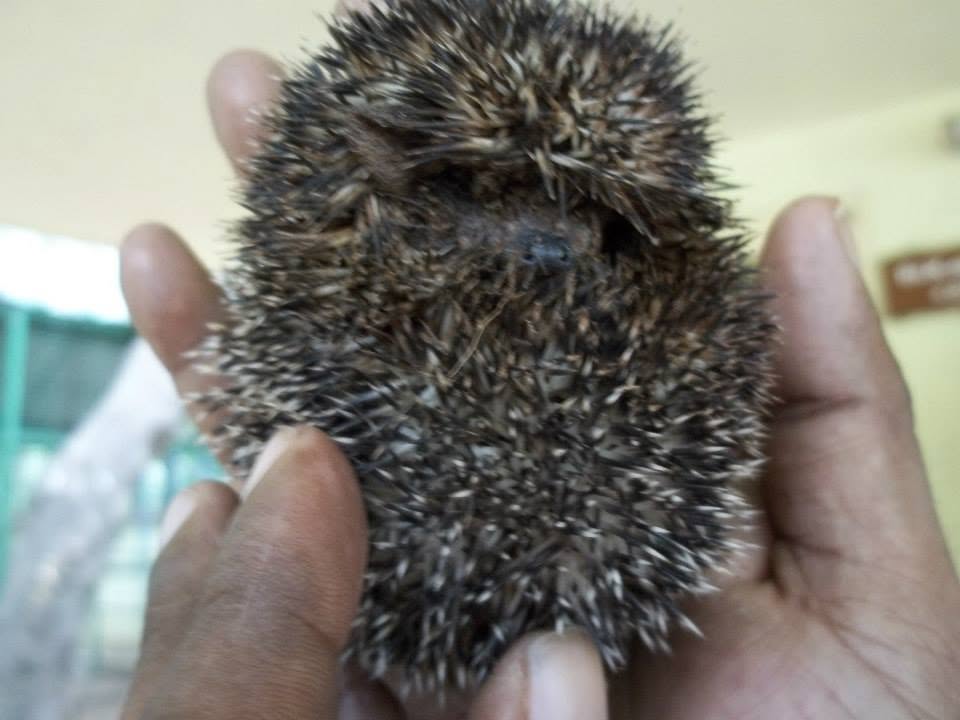
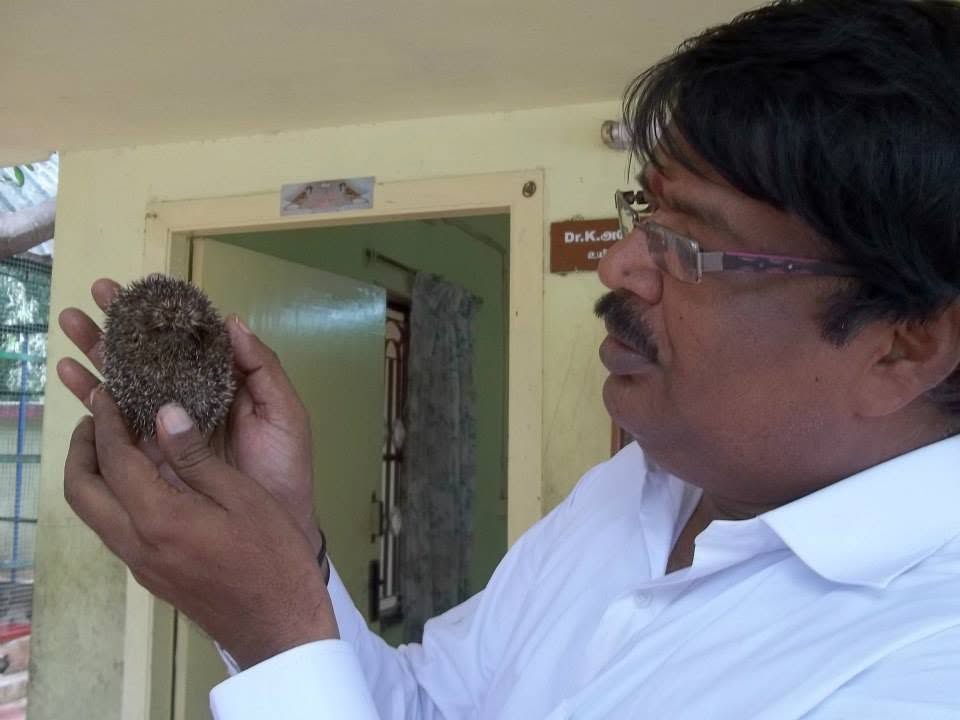
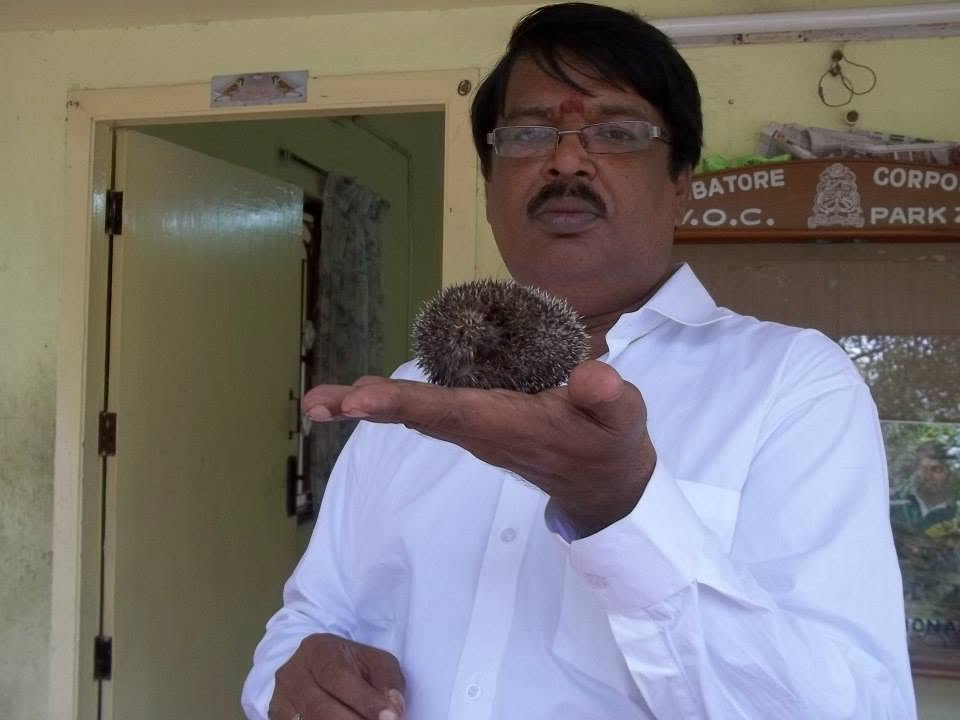
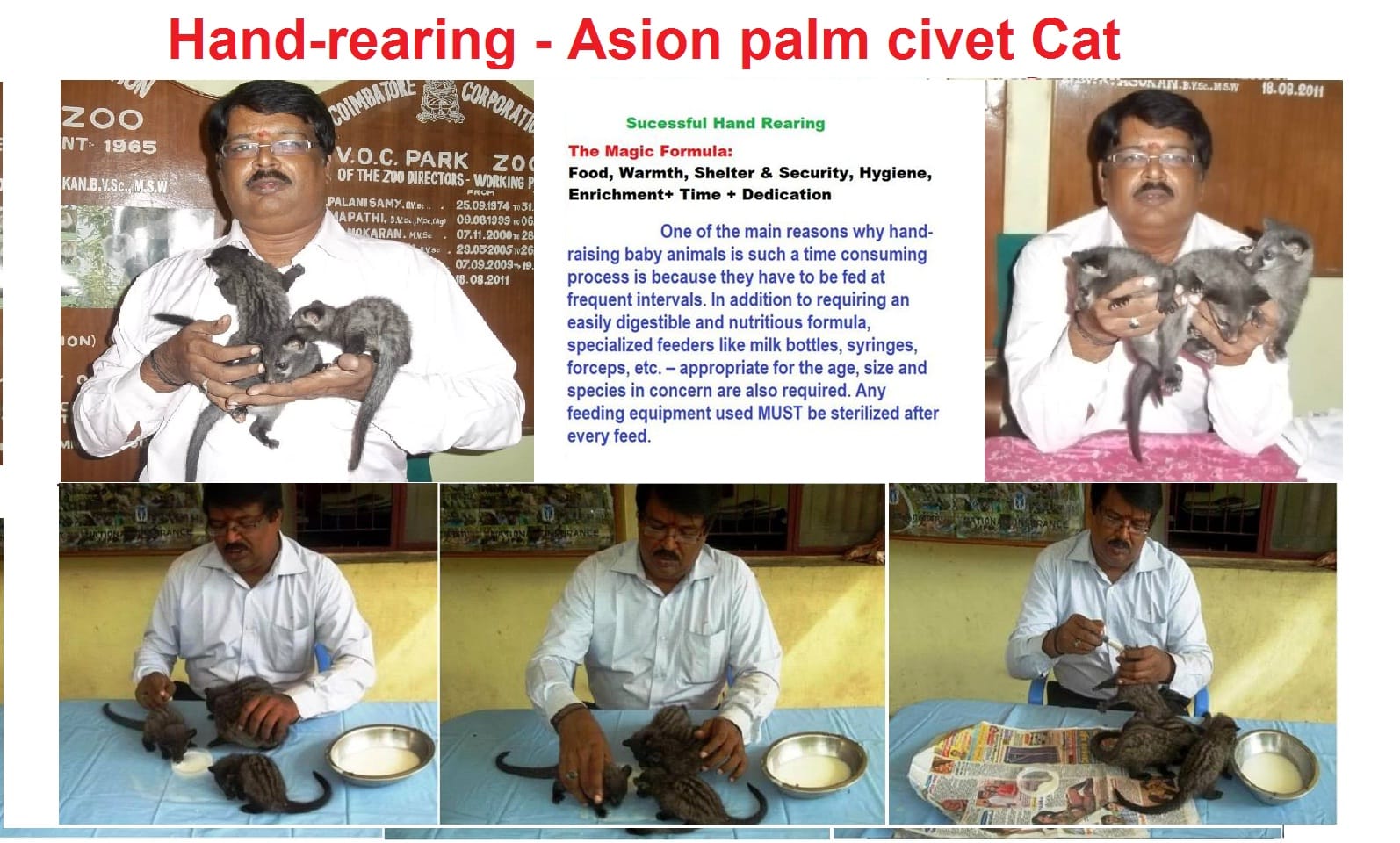
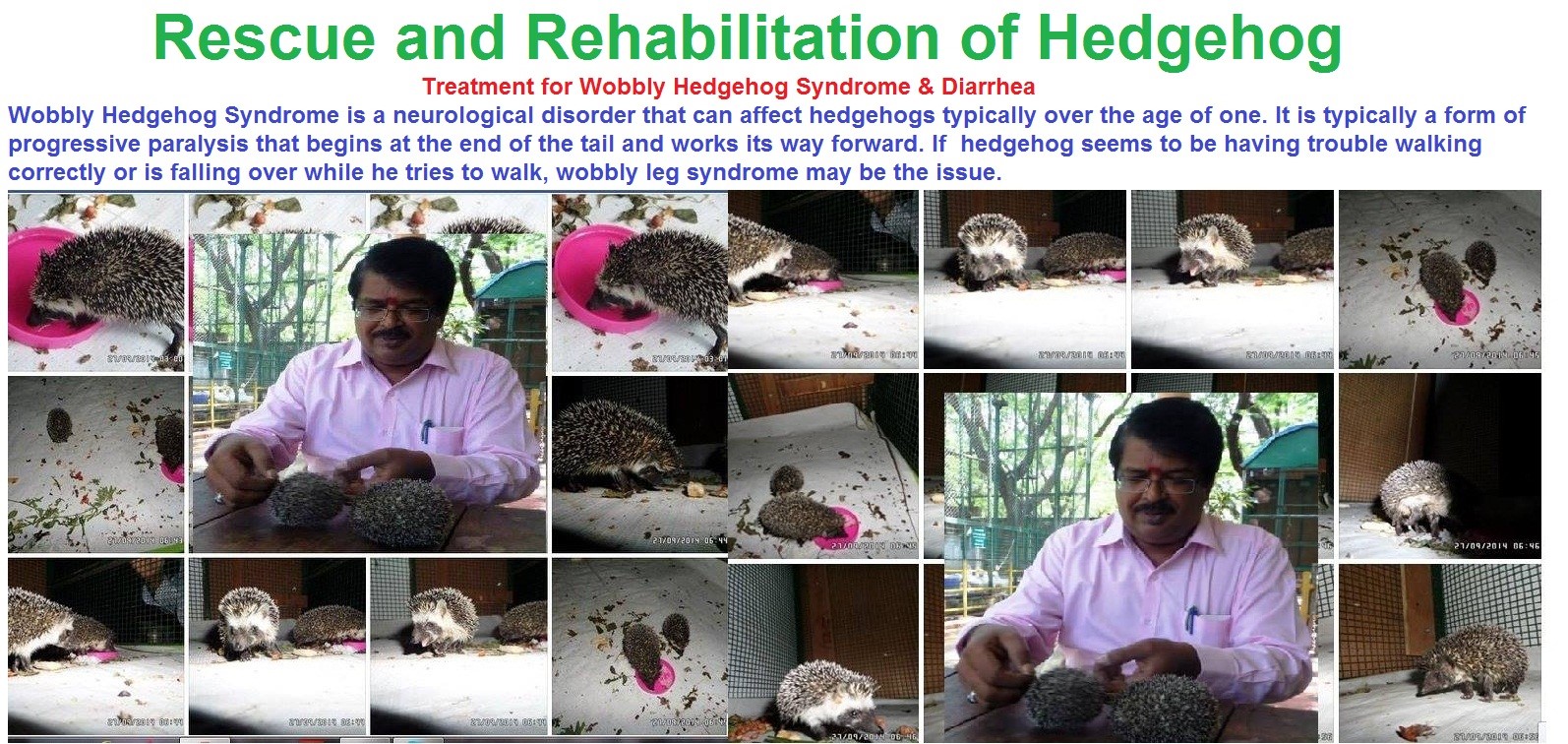
Civets and hedgehogs navigating urbanized landscapes face habitat loss and food scarcity and may become victims of vehicle collisions and domestic-dog attacks. Common consequences include complex fractures, contaminated soft-tissue wounds, infection, and severe physiological stress.

Successful rehabilitation relies on prompt stabilization, surgical wound care, fracture management, infection control, low-stress housing, and dietary restoration suited to their natural carnivorous or insectivorous needs.
new  fruit bat  wildlife veterinarian examining rescued fruit bat
Asokan 709

Hedgehog Treatment – Field-Level Wildlife Veterinary Achievement
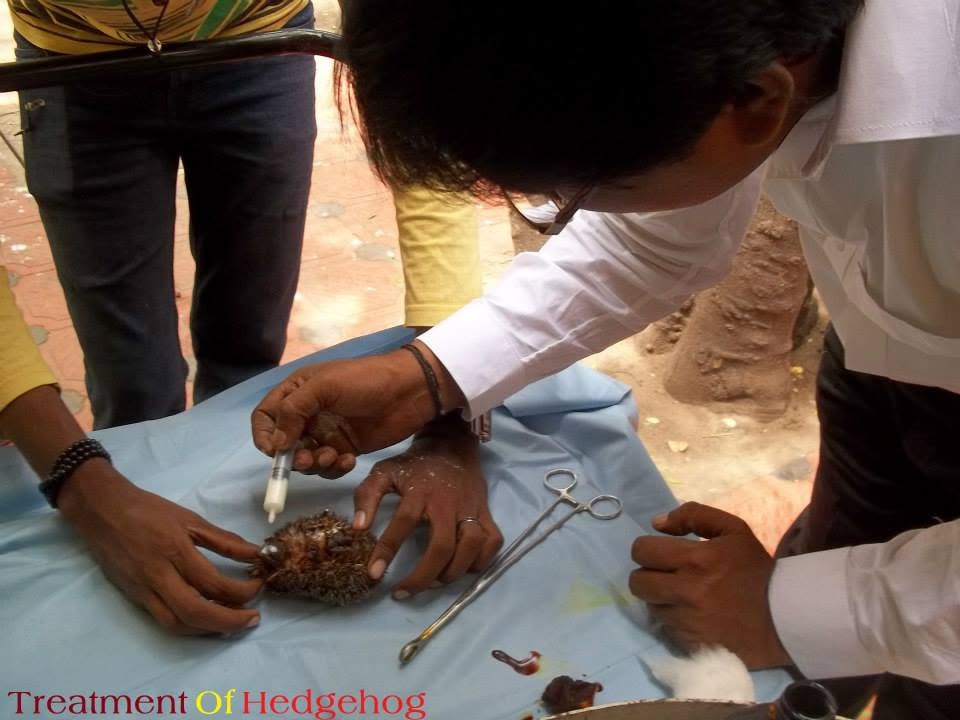
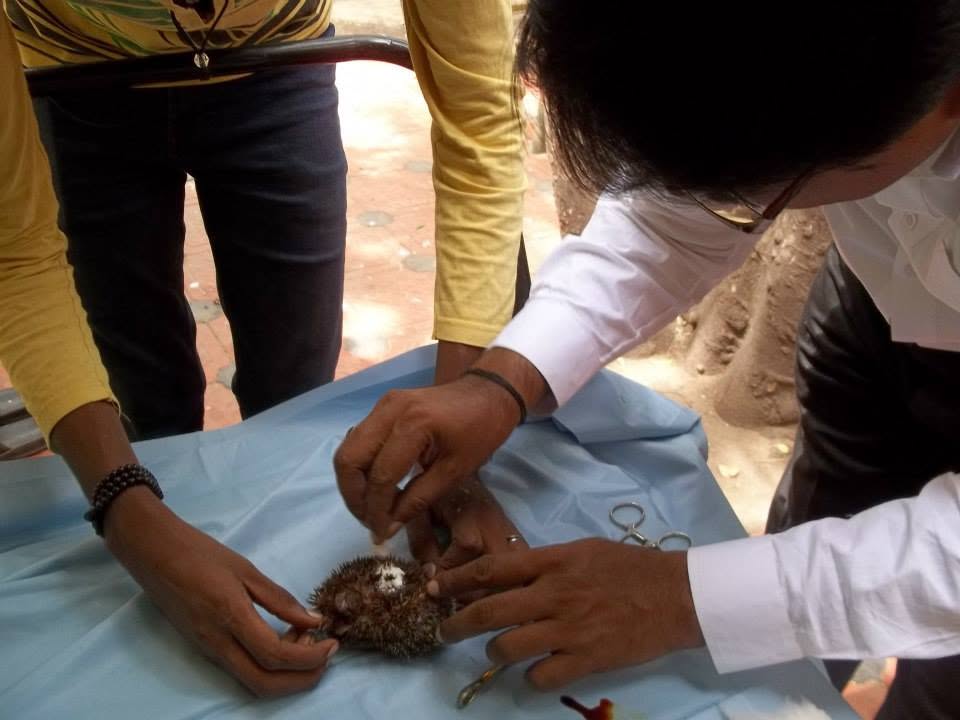
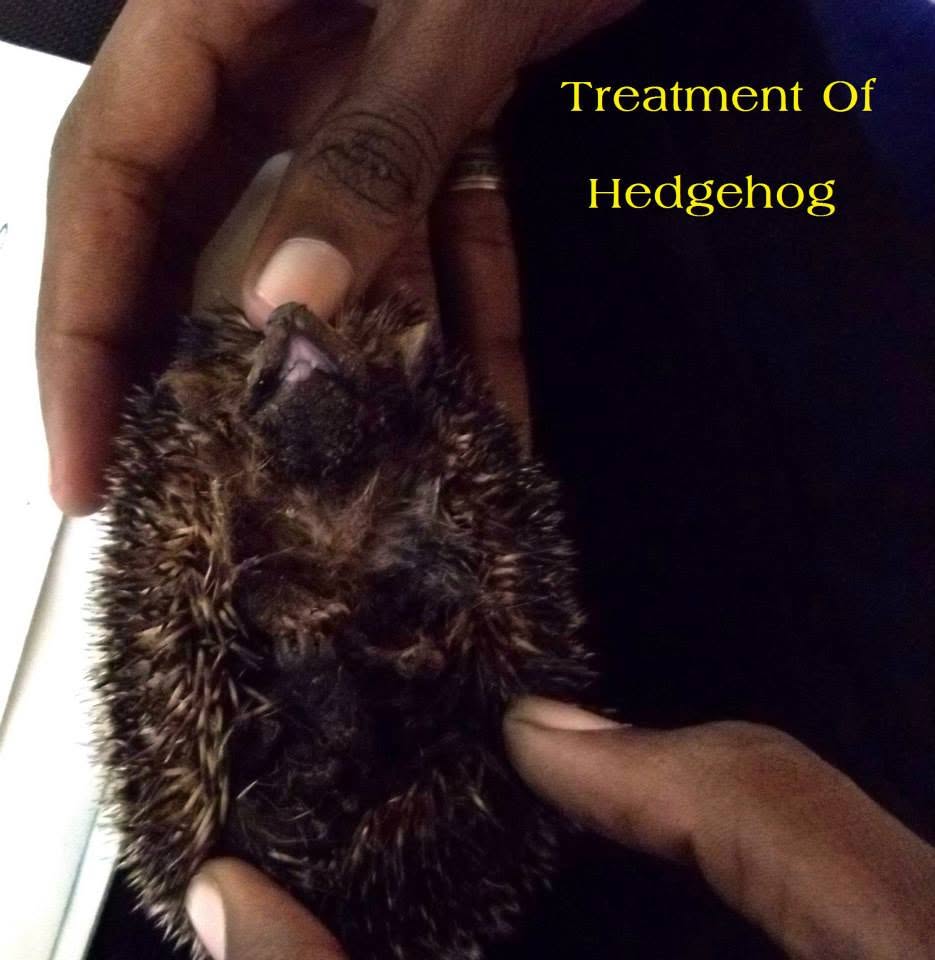
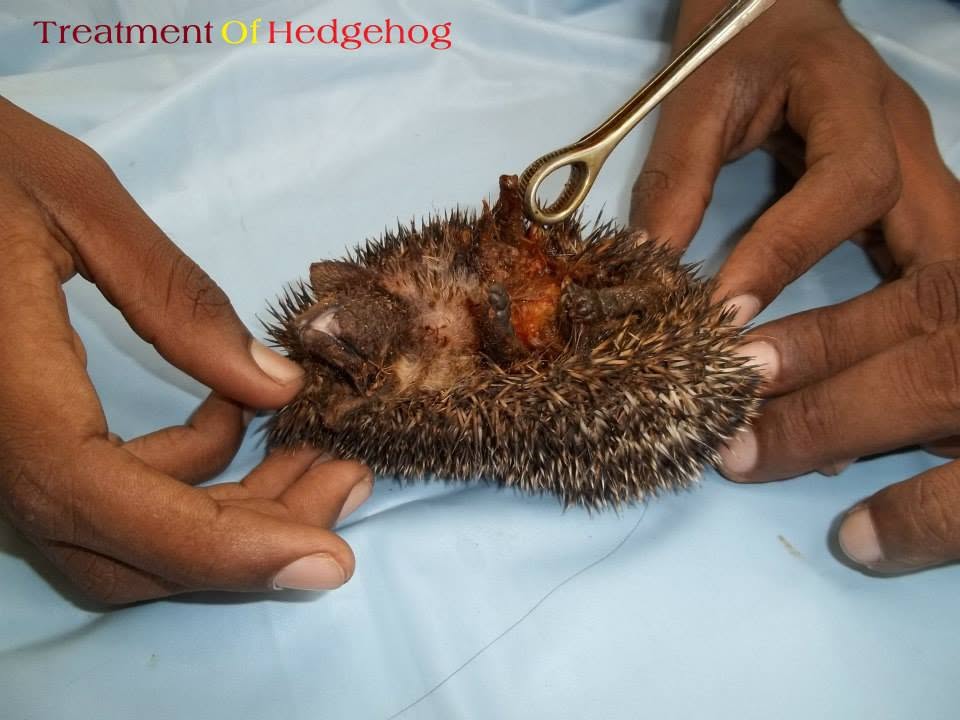
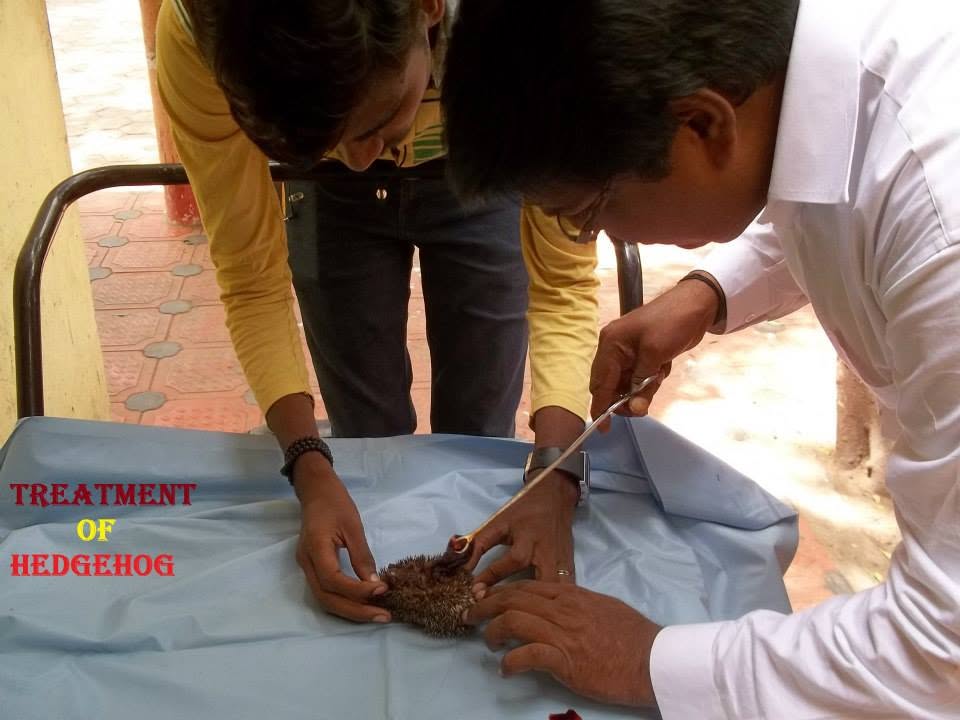
Dr. Krishnamoorthy Asokan, former Zoo Director, V.O.C. Mini Zoological Park, Coimbatore, successfully carried out the field-level treatment and management of an injured hedgehog, demonstrating the importance of veterinary care for small and less commonly treated wild mammals. The case involved careful clinical examination, assessment of injuries, supportive treatment, wound management, medication and close observation under field conditions. The primary objective was to stabilize the animal, prevent complications and support its natural recovery. This experience reflects Dr. Asokan’s broader commitment to wildlife conservation and veterinary service, extending beyond elephants and large mammals to include small mammals, birds, reptiles and other wildlife species. His work demonstrates that timely veterinary intervention at the field level can play an important role in saving injured wildlife and supporting rehabilitation and release. Wildlife Under Increasing Environmental Pressure: Due to climate change, rapid urbanisation, habitat destruction and changes in land use, many wild animals are increasingly affected. The loss and fragmentation of natural habitats, rising temperatures, reduced availability of food and water, road accidents, pollution and increasing human–wildlife interactions pose serious challenges to wildlife survival. Small and lesser-known animals such as hedgehogs, reptiles, birds and other small mammals can be particularly vulnerable when their natural habitats are fragmented or replaced by human settlements. Injured or displaced animals may enter urban and agricultural areas in search of food, water and shelter, increasing their risk of injury and mortality. The field-level treatment of an injured hedgehog by Dr. Krishnamoorthy Asokan highlights an important principle of conservation: wildlife protection is not limited to large or iconic species. Every animal has an ecological role and deserves appropriate care and protection.
647521661 10235334586608677 1858306495540817868 n
647299160 10235334591648803 7154458612458820527 n
647111371 10235334593328845 2401111456649321130 n
647071513 10235334589888759 1099406541073042564 n
648459532 10235334586448673 8200628835249200475 n
647098534 10235334587888709 2254548615581083481 n
646996240 10235334587368696 3457428674774607673 n
648307877 10235334330202267 5777201385126656184 n
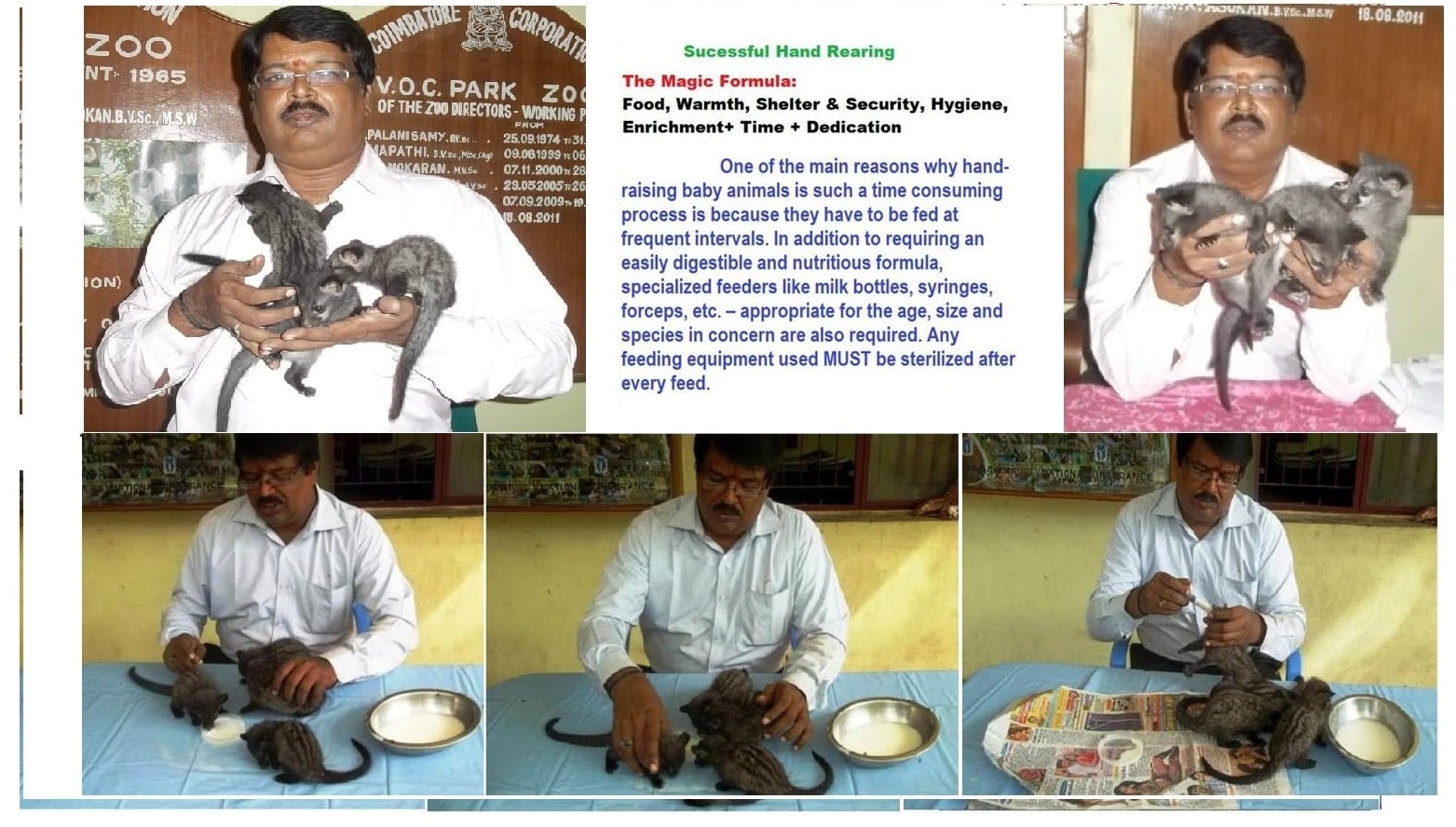
Civet Cat Captive Birth & Neonatal Care

Captive wildlife health and breeding management

Civet cat captive-birth records form part of Dr. Asokan’s wider zoo and captive wildlife-management experience. Such cases require close maternal observation, neonatal health assessment, hygiene, nutrition, species-appropriate enclosure design, and minimal-stress veterinary intervention to support healthy development.
kl
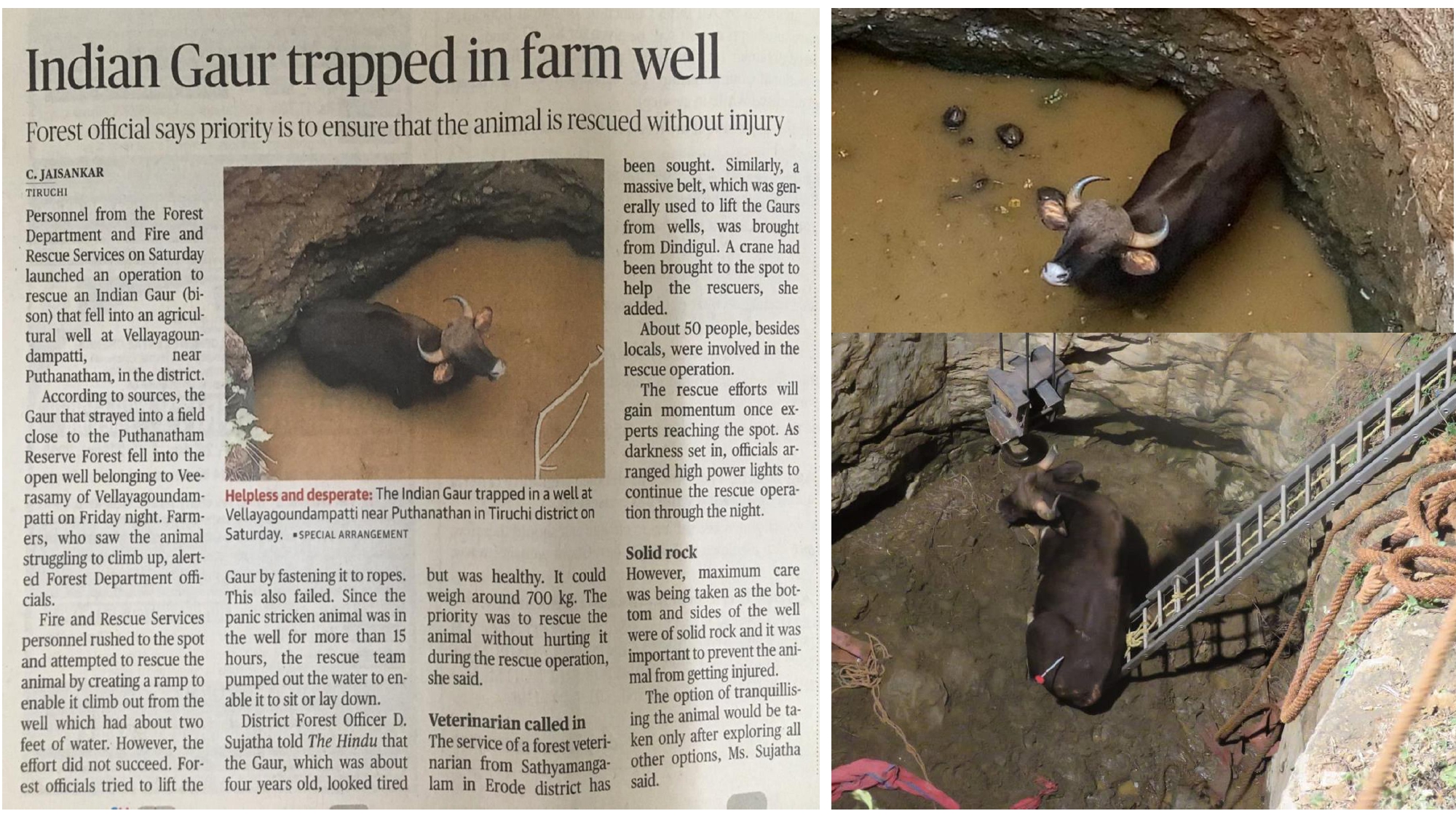
Climate Vulnerability and Nutritional Deficits – Indian Gaur

Specialized care for a massive and stress-sensitive herbivore

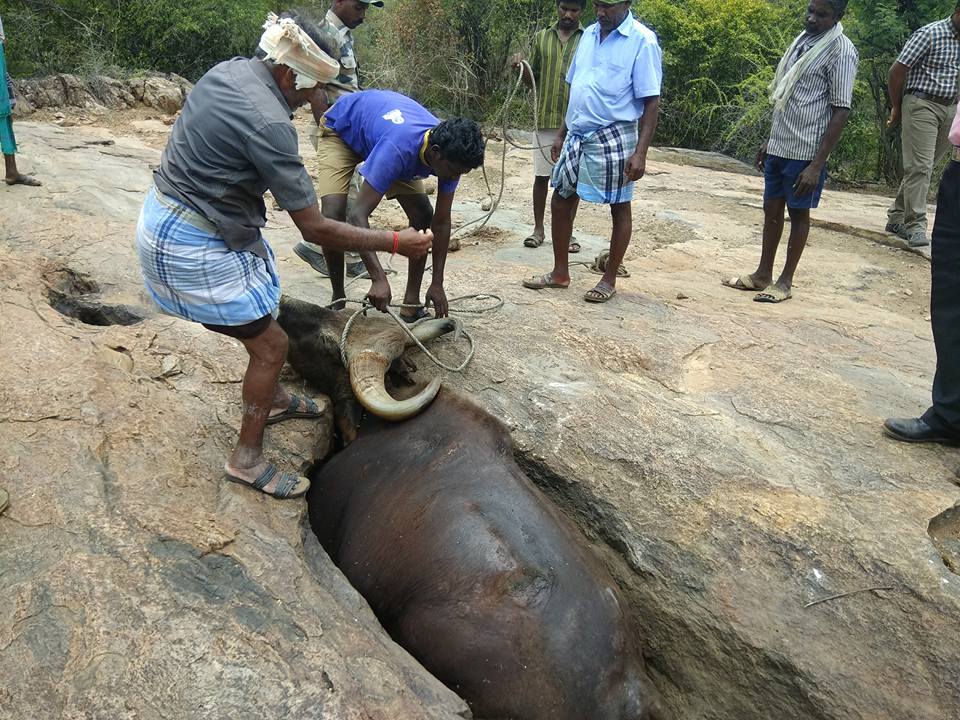
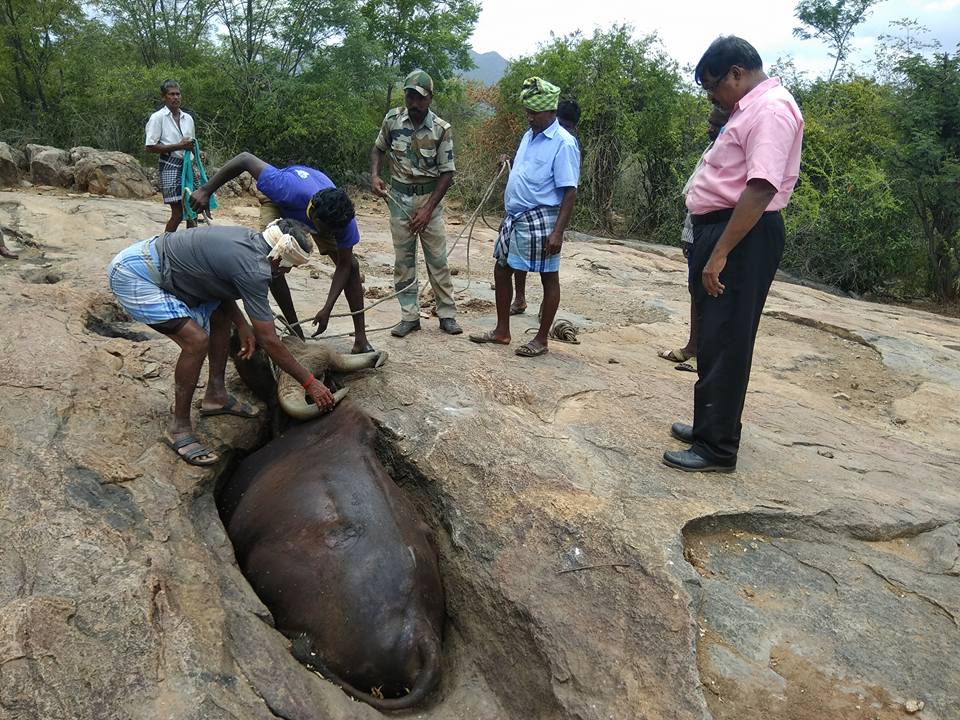
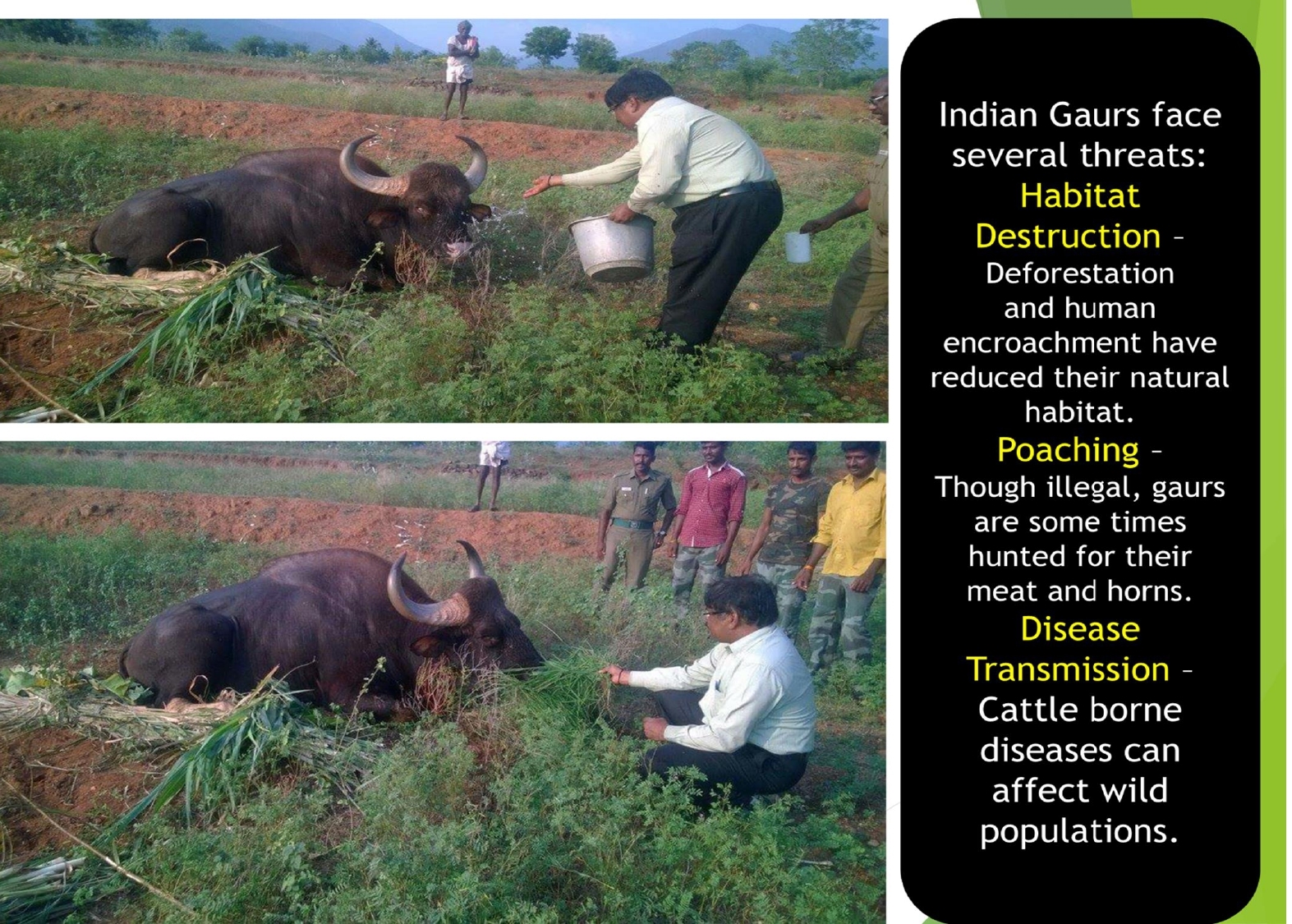
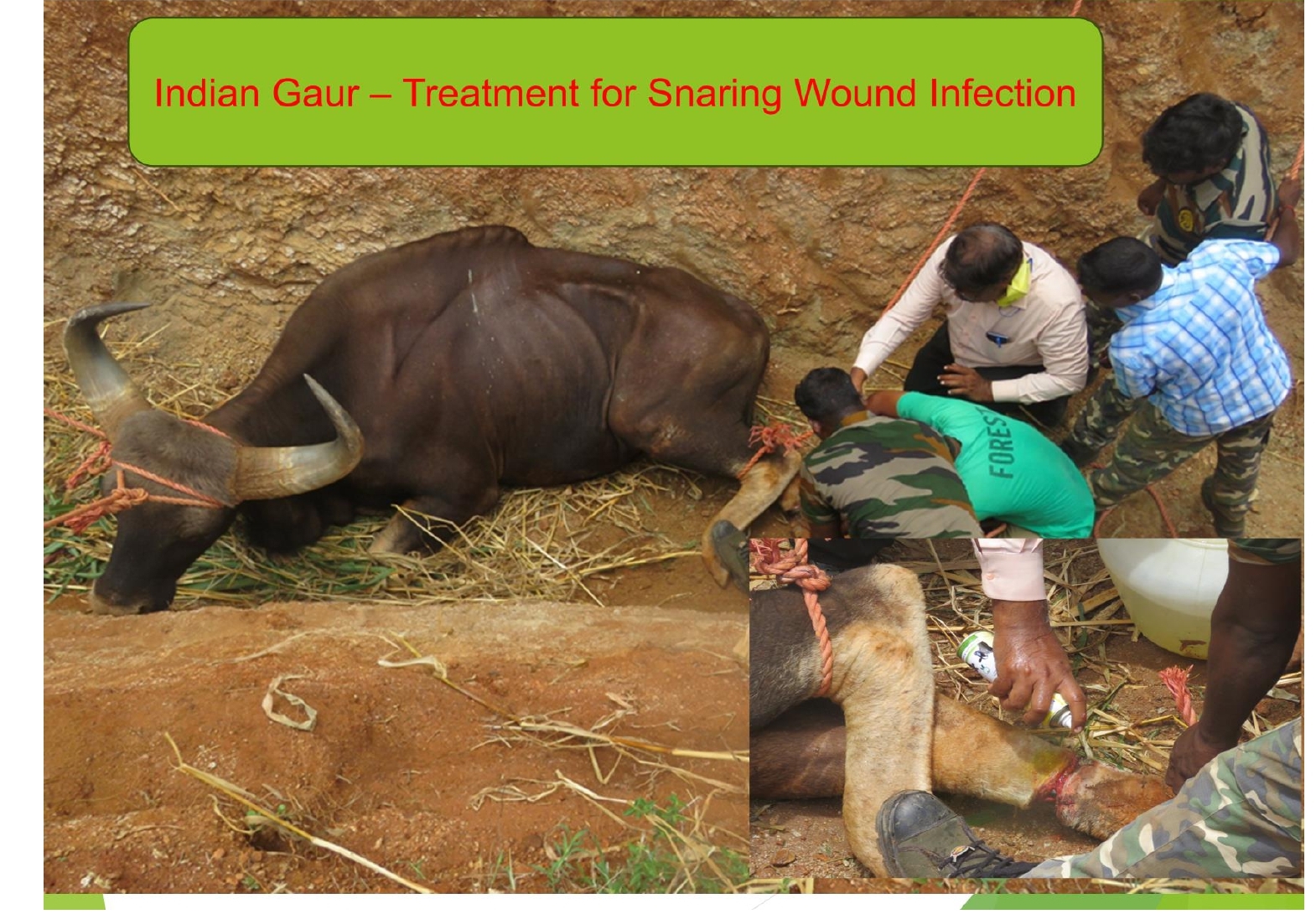
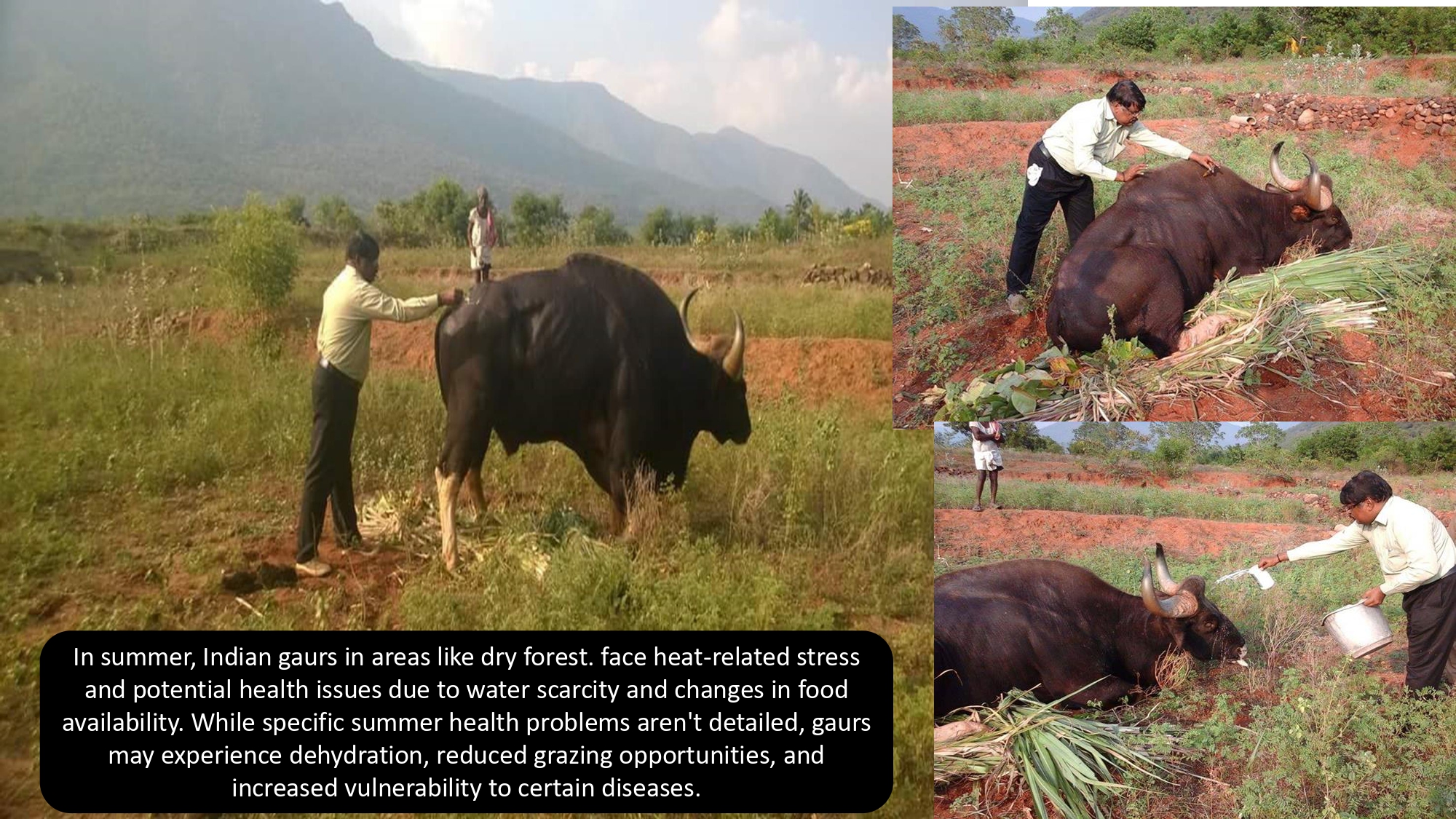
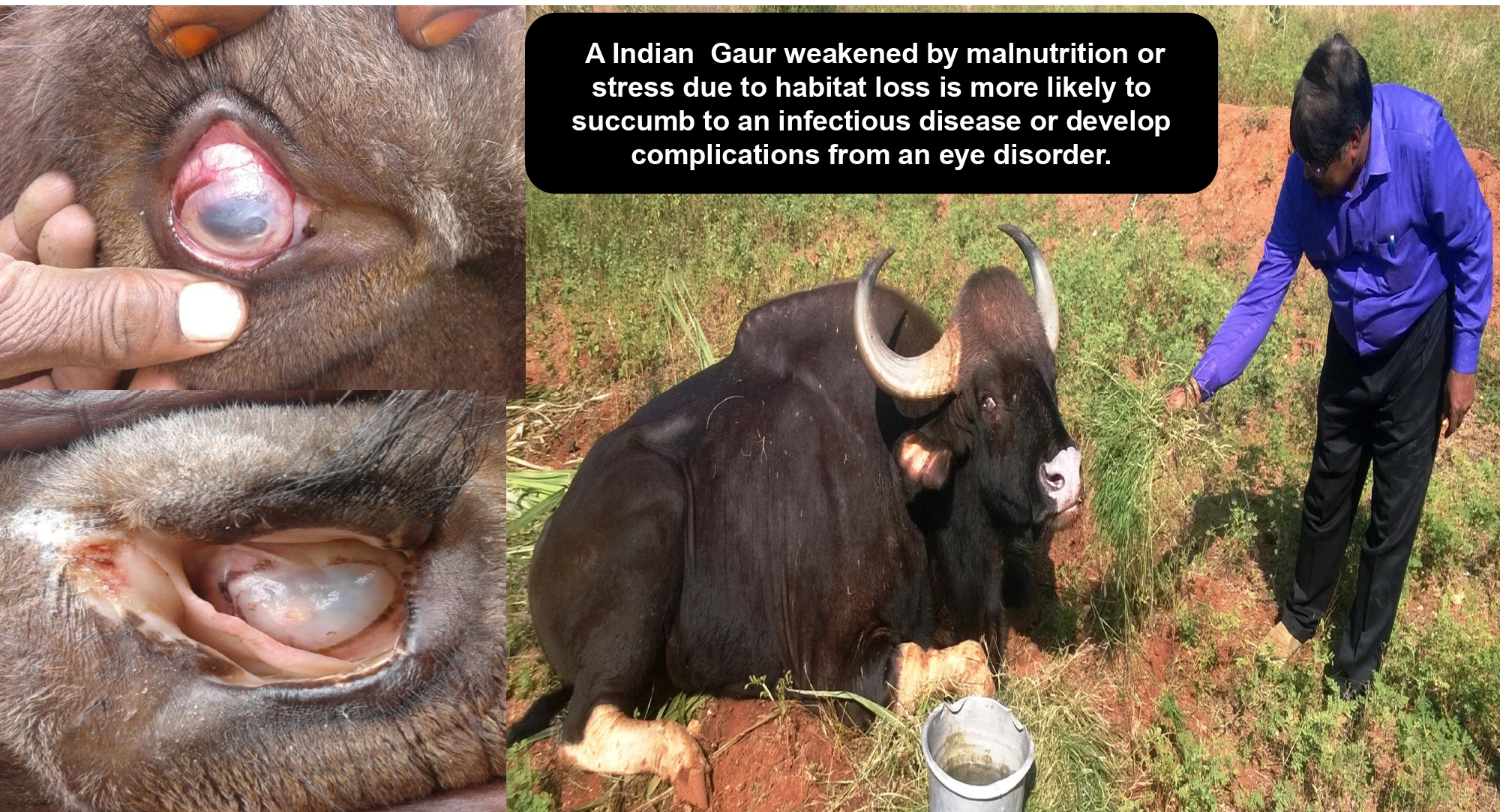
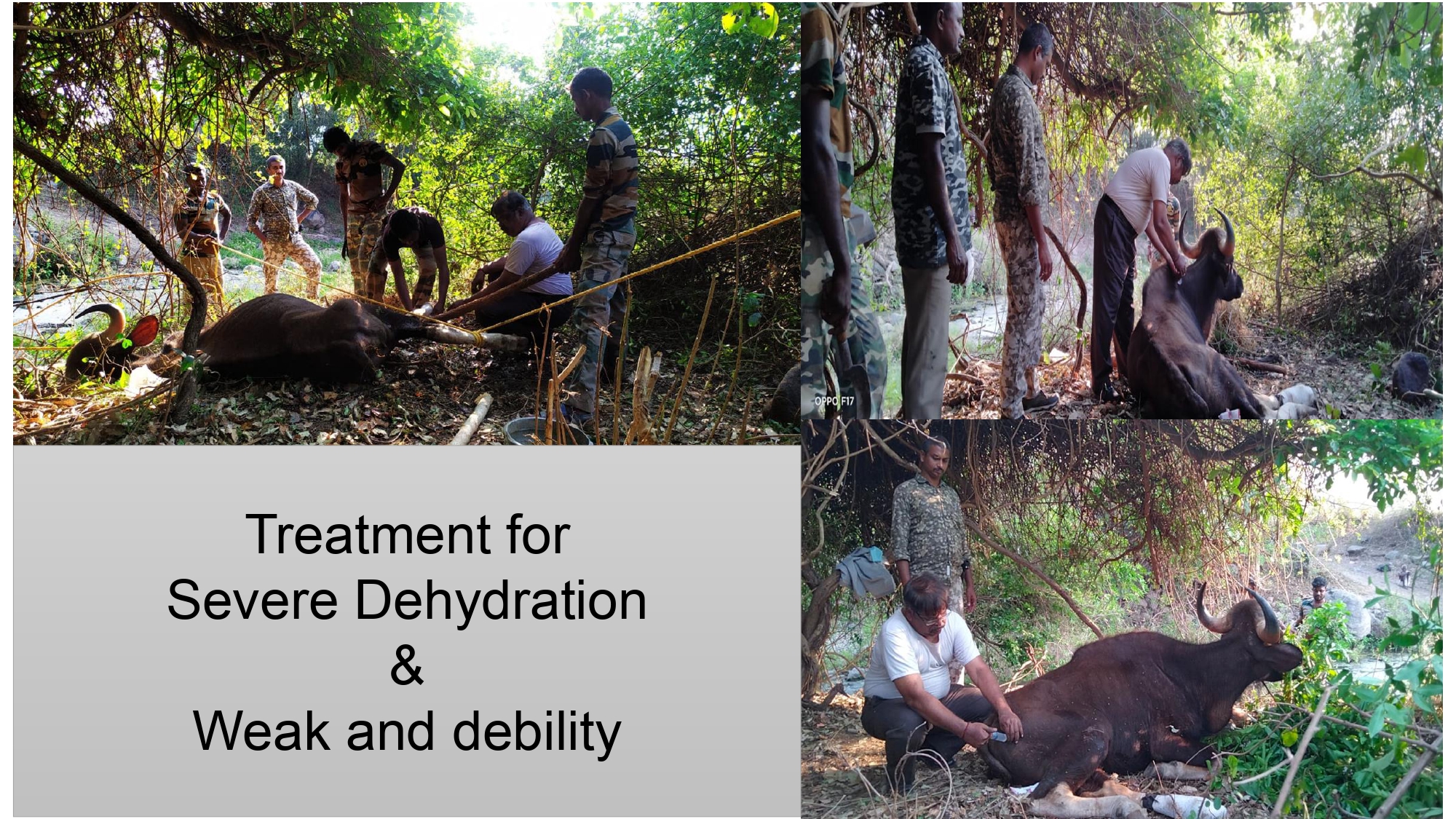
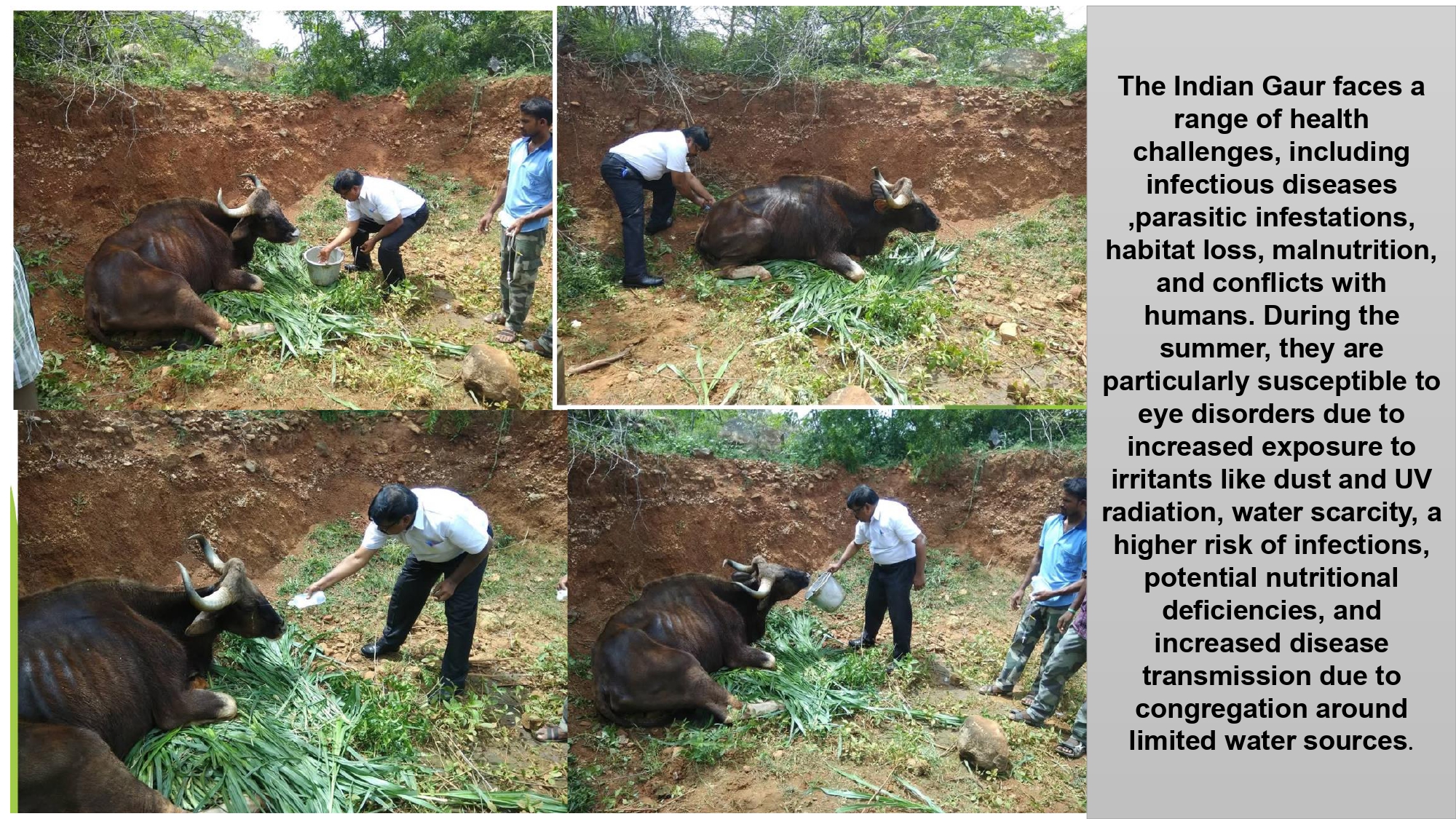
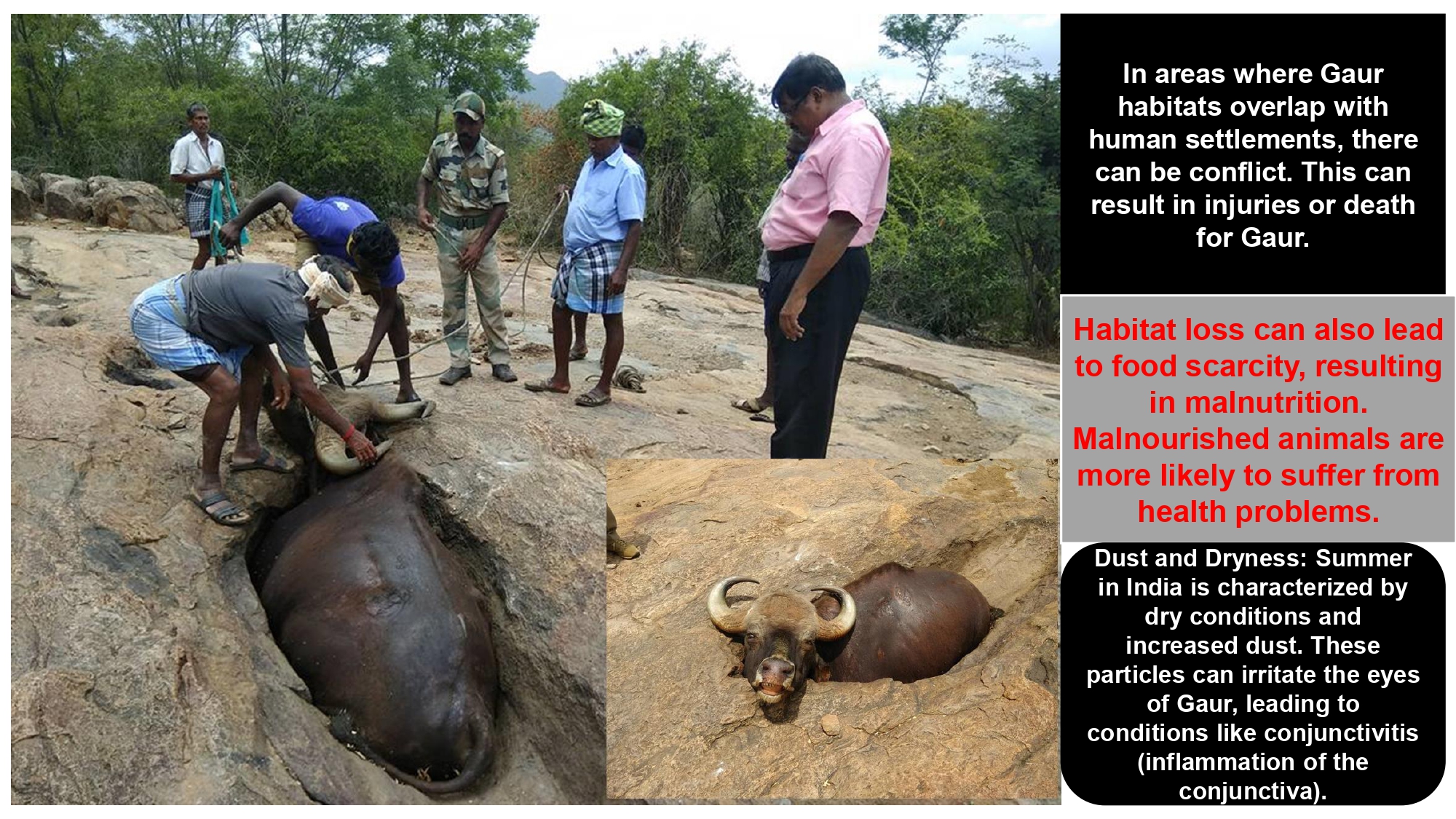
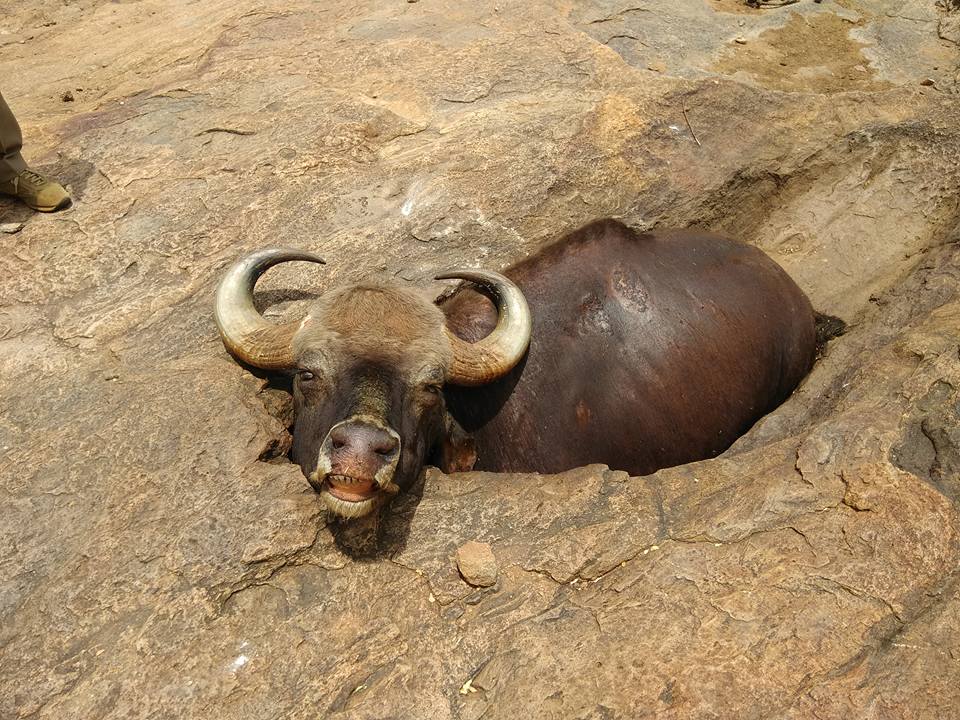
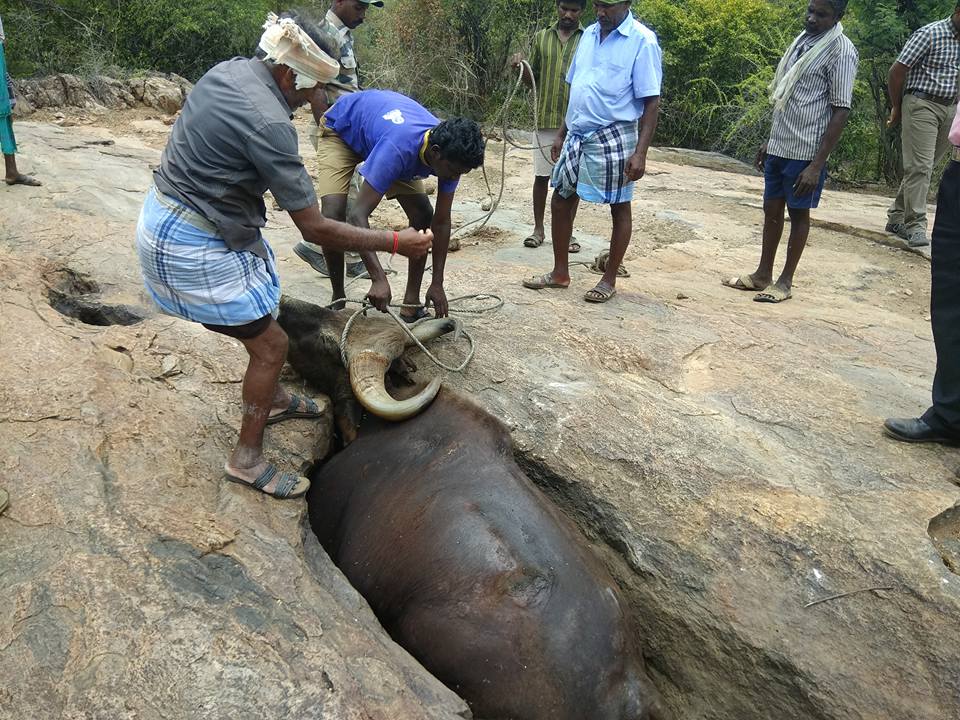
Indian gaur face threats from climate-driven drought, habitat degradation, and nutritional deficiency, which may force them onto agricultural fringes. Associated hazards include vehicle collisions, fractures, ocular infection, ruminal bloat after crop raiding, pesticide poisoning, and disease transmission at forest boundaries.

Their immense body mass and sensitivity to capture myopathy require highly specialized, low-stress veterinary intervention, careful rumen management, chemical immobilization planning, and targeted toxicological support.
FB IMG 1565370474450
FB IMG 1565370477660   Copy
FB IMG 1565370477660
FB IMG 1565370480568
Captive Breeding and Egg Incubation Protocols

Temperature, hatchling care, hygiene, and nutrition

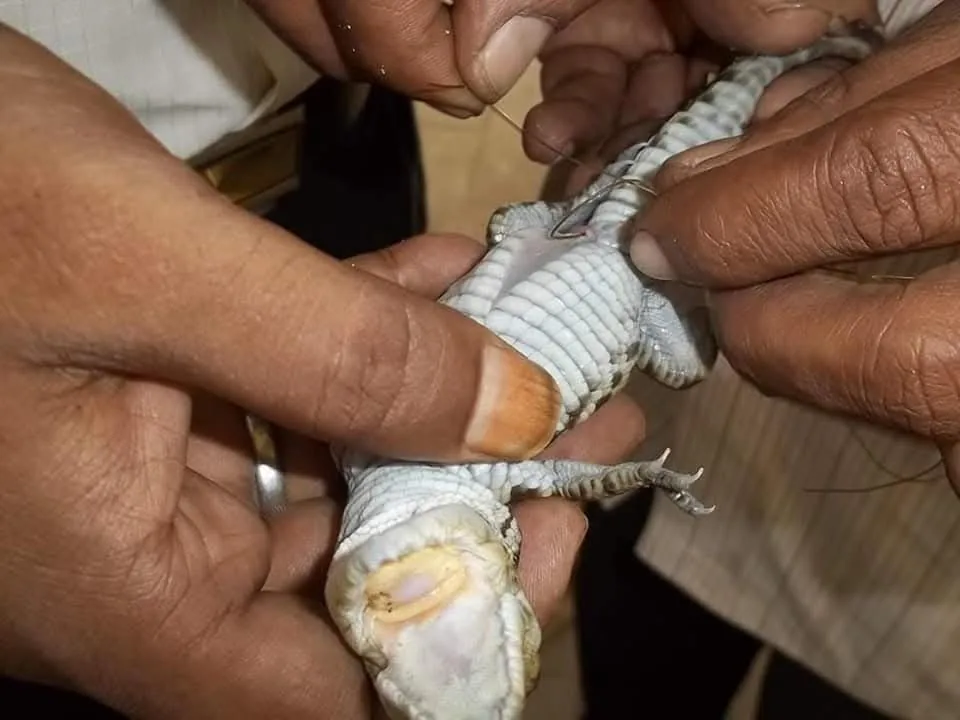
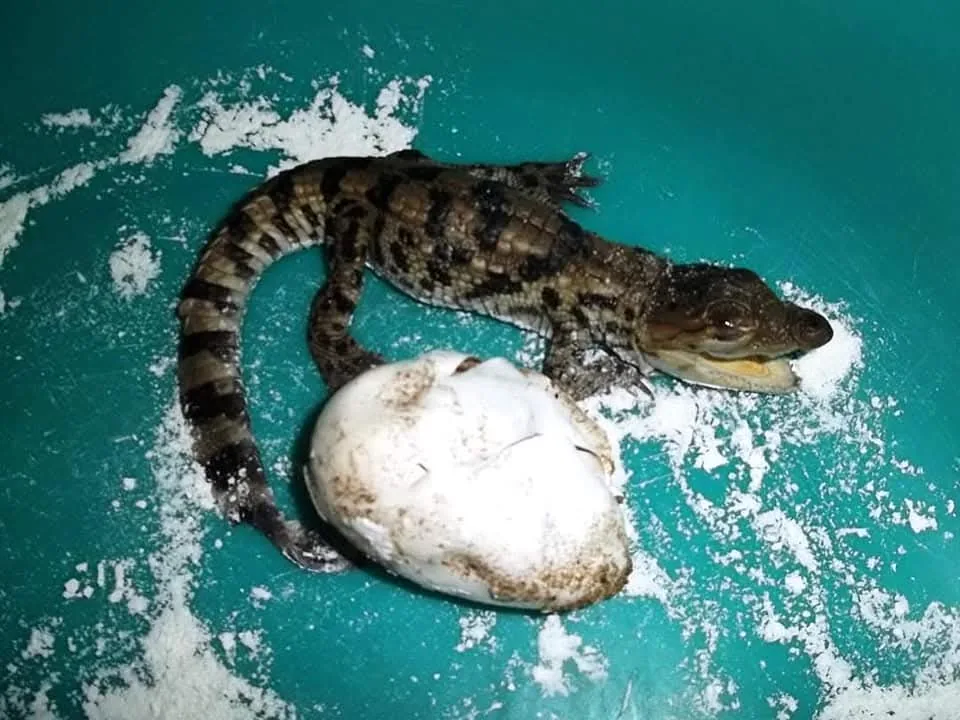
Managing captive crocodile breeding requires strict incubation-temperature control, generally between 31°C and 33°C, while avoiding rotation or jarring that could damage internal membranes. After hatching, neonates require secure shallow-water enclosures with dry basking platforms, water hygiene, and appropriate UV exposure.

Initial nutrition relies on residual yolk reserves, followed by carefully introduced nutrient-rich minced fish and insect diets. Health monitoring helps prevent drowning, fungal disease, infection, and metabolic bone disease while supporting robust growth.
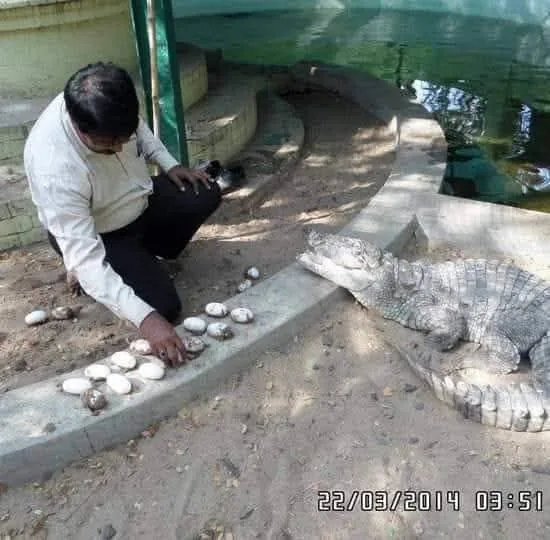
new  crocodile  wildlife veterinarian checking crocodile eggs
new  crocodile  crocodile hatchling emerging from egg
new  crocodile  crocodile hatchling vent health examination

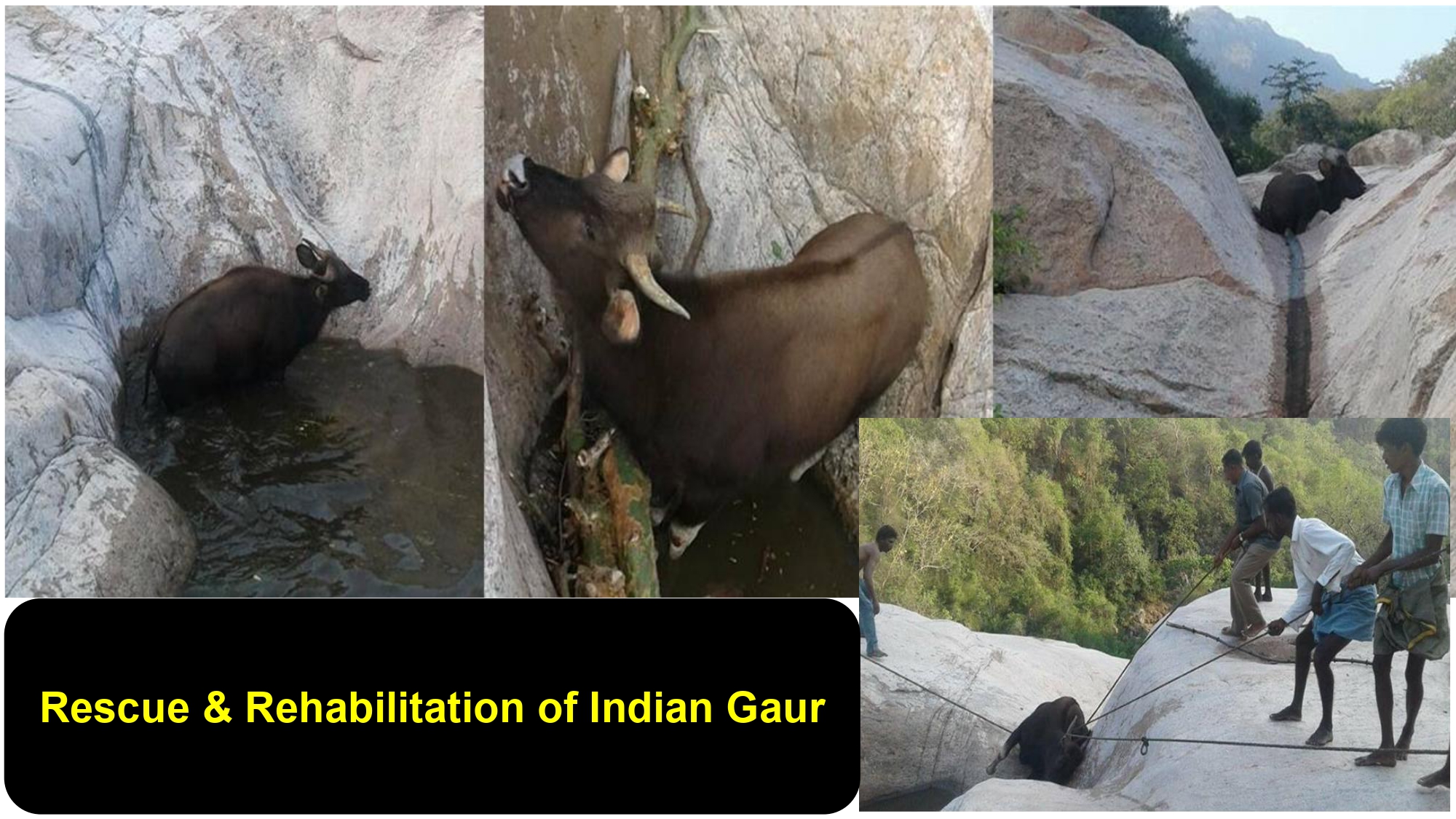
Advancing Indian Gaur Conservation through Rescue, Treatment, Rehabilitation, and Veterinary Care
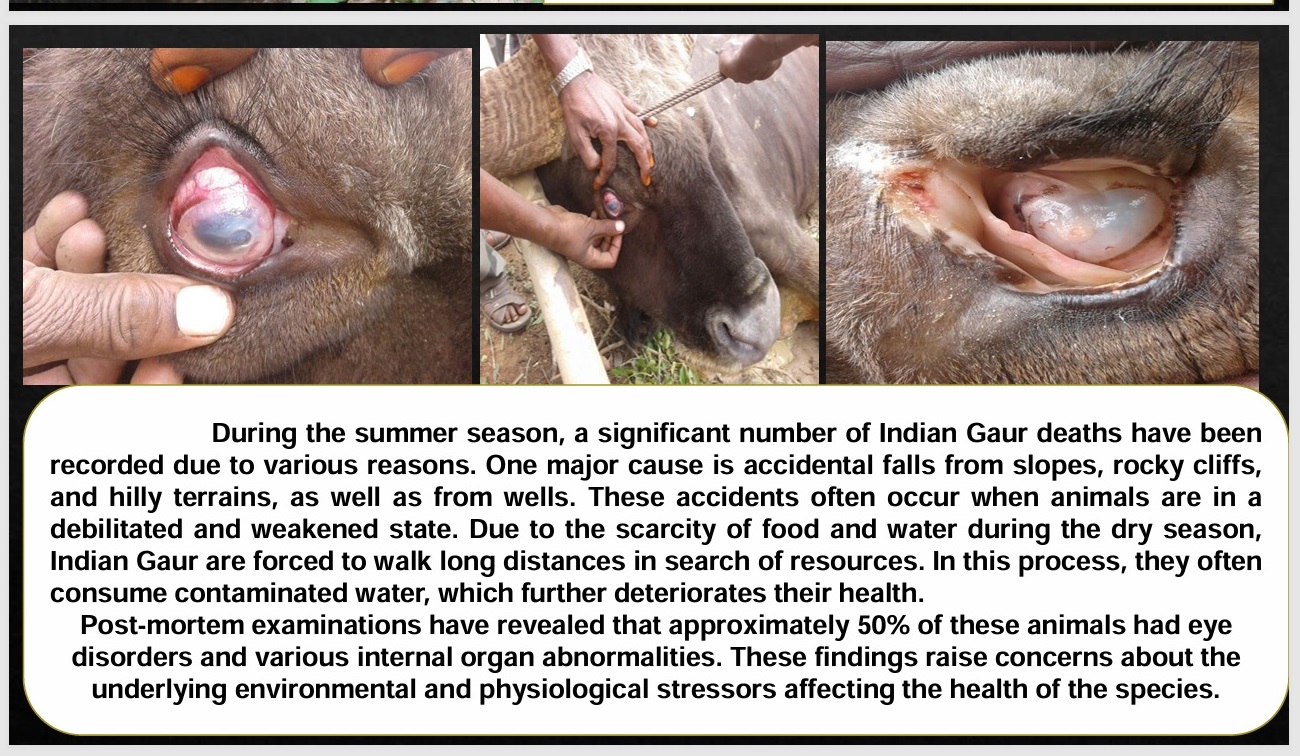
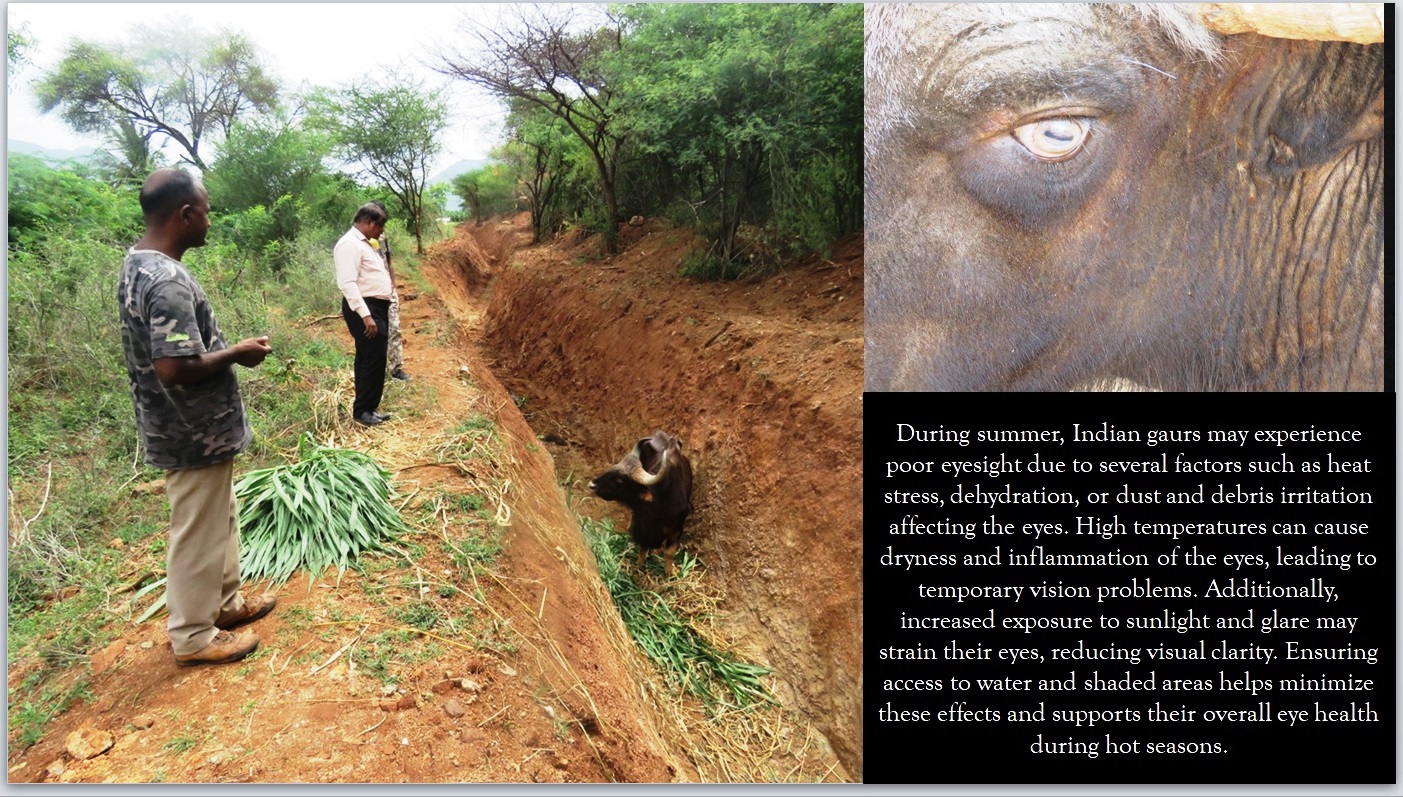
Dr. Krish Asokan has participated in the rescue, treatment, rehabilitation, and release of more than 20 Indian Gaur (Bos gaurus) affected by injuries, illness, dehydration, and human-induced environmental stress. Many rescue cases were associated with habitat degradation, deforestation, climate-related heat stress, water scarcity, expansion of human settlements, and increasing human–wildlife conflict, which forced gaur into agricultural and urban fringe areas. His field responsibilities included clinical examination, emergency treatment, fluid therapy, disease diagnosis, rehabilitation, and post-treatment monitoring. During his wildlife veterinary service, Dr. Asokan also managed gaur affected by ocular disorders, including cataracts, as well as trauma, infectious diseases, malnutrition, and stress-related conditions. Working closely with the Tamil Nadu Forest Department, he contributed to the successful recovery and conservation of this threatened species through evidence-based veterinary care and scientific wildlife management.
11
Indian Gaur1
Presentation2 page 0100
Presentation2 page 0101
Presentation2 page 0102
Presentation2 page 0103
Presentation2 page 0104
Presentation2 page 0105
Presentation2 page 0106
Presentation2 page 0107
Presentation2 page 0108
new  chameleon  wildlife veterinarian examining chameleon tail
new  chameleon  wildlife veterinarian holding two rescued chameleons
Chameleon Rescue & Rehabilitation

Treatment of trauma, dehydration, infection, and nutritional disease

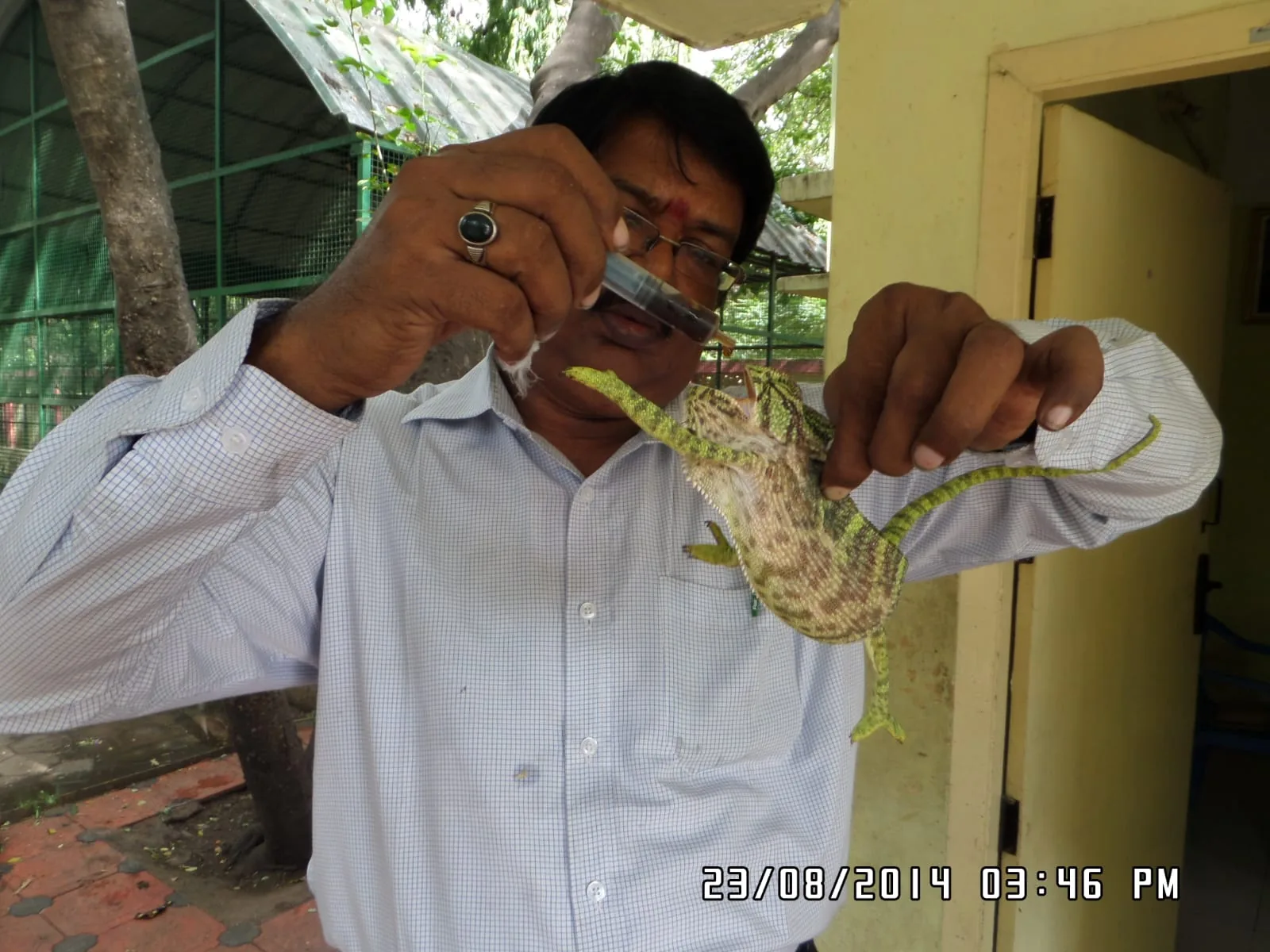
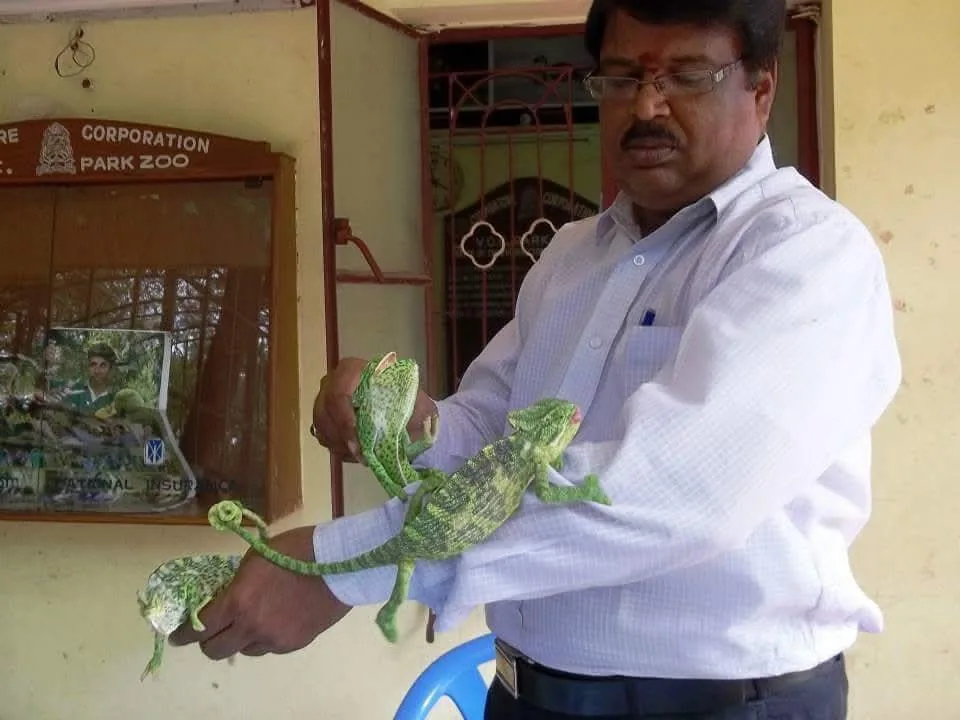
Dr. Asokan has treated rescued chameleons affected by traumatic injury, fractures, wounds, eye disorders, dehydration, metabolic bone disease, parasitic infection, bacterial disease, and nutritional deficiency.

Care includes clinical diagnosis, medical or surgical treatment, fluid therapy, nutritional correction, supportive rehabilitation, behavioural assessment, and release into suitable habitat after recovery.

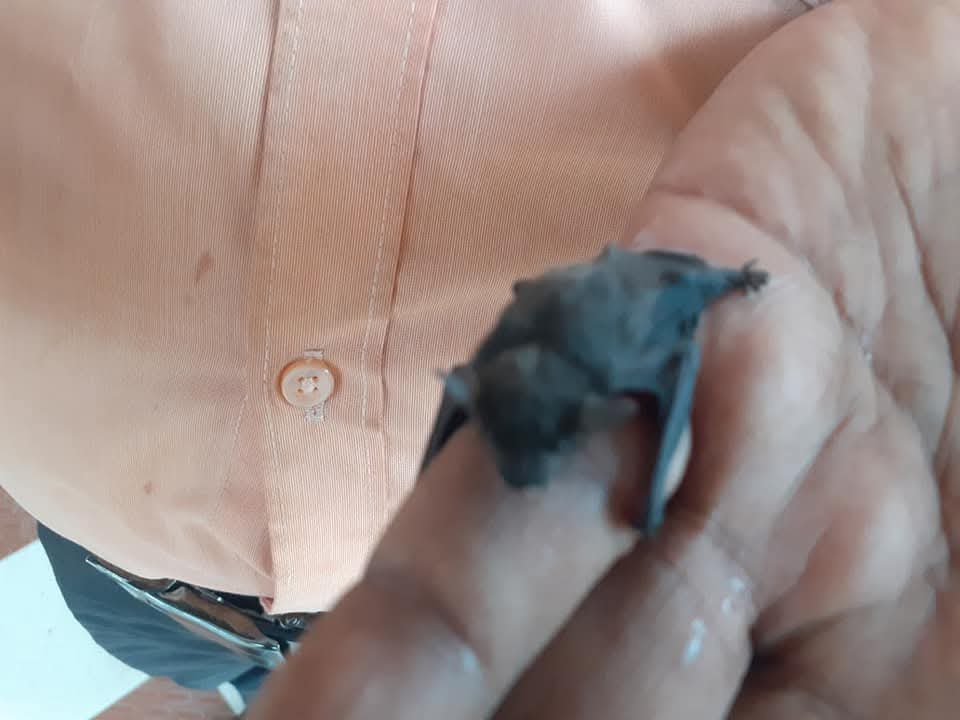
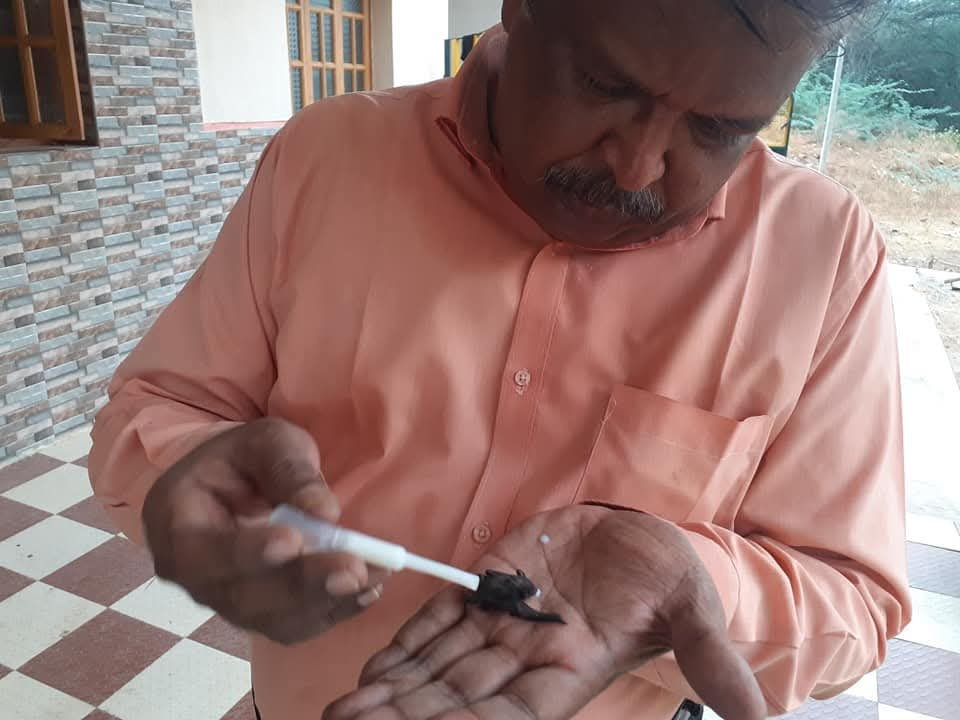
Indian Fruit Bat Rescue, Treatment, Rehabilitation, and Conservation
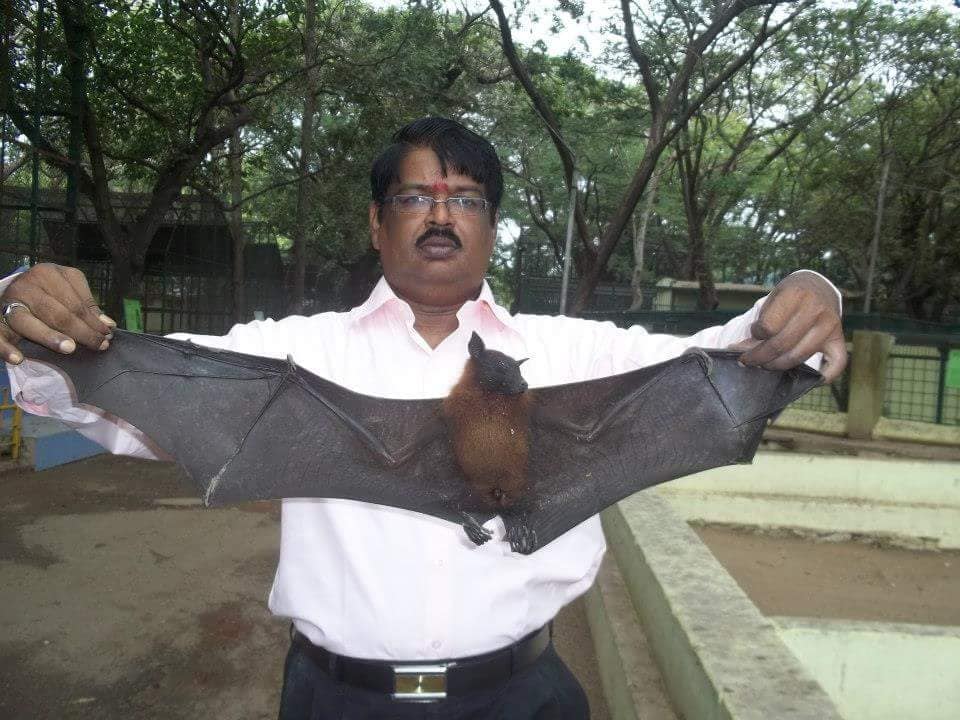
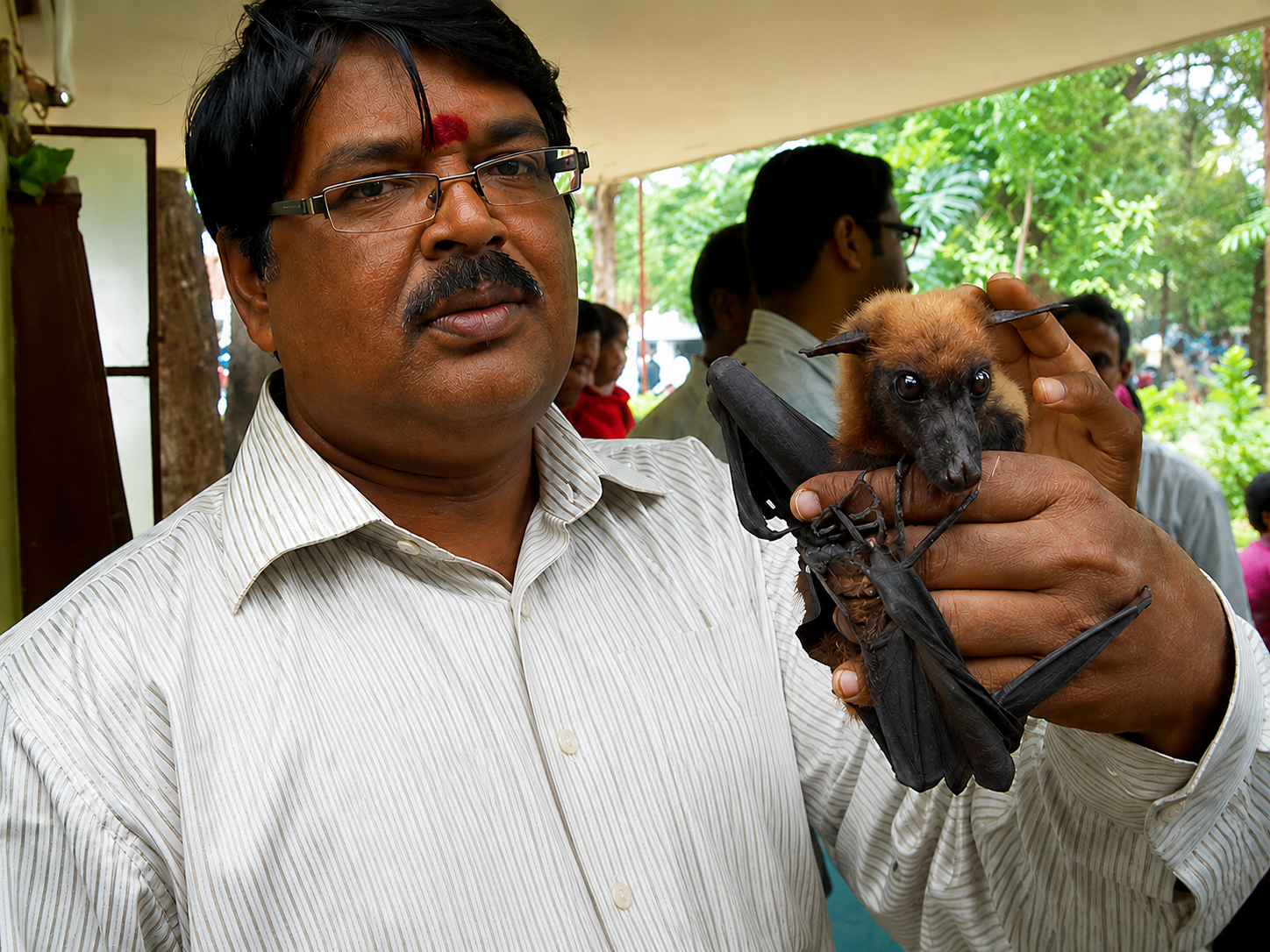
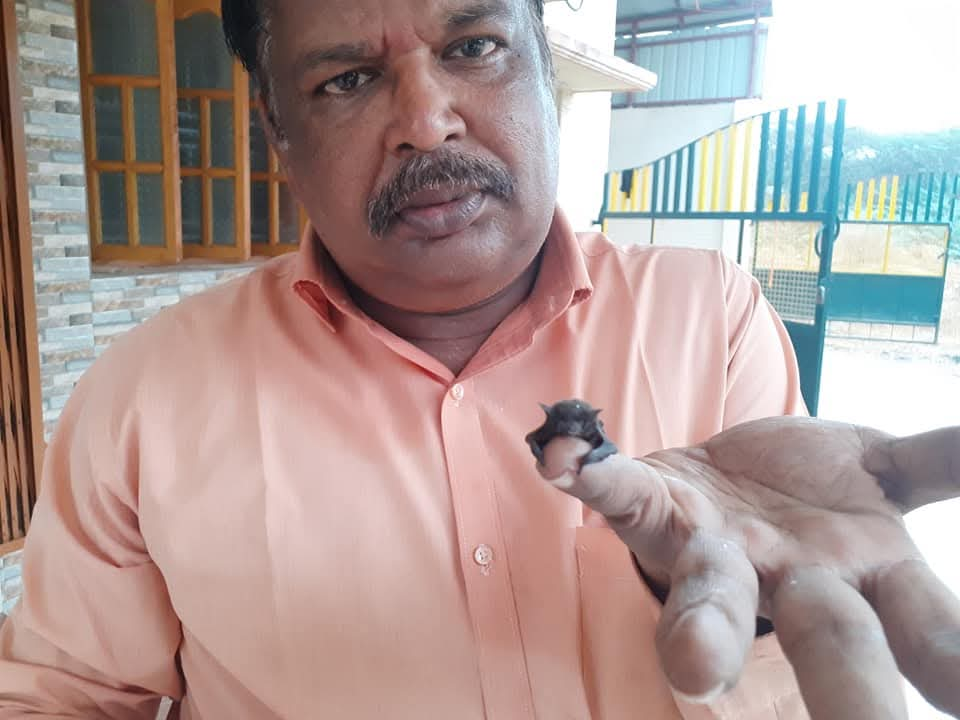
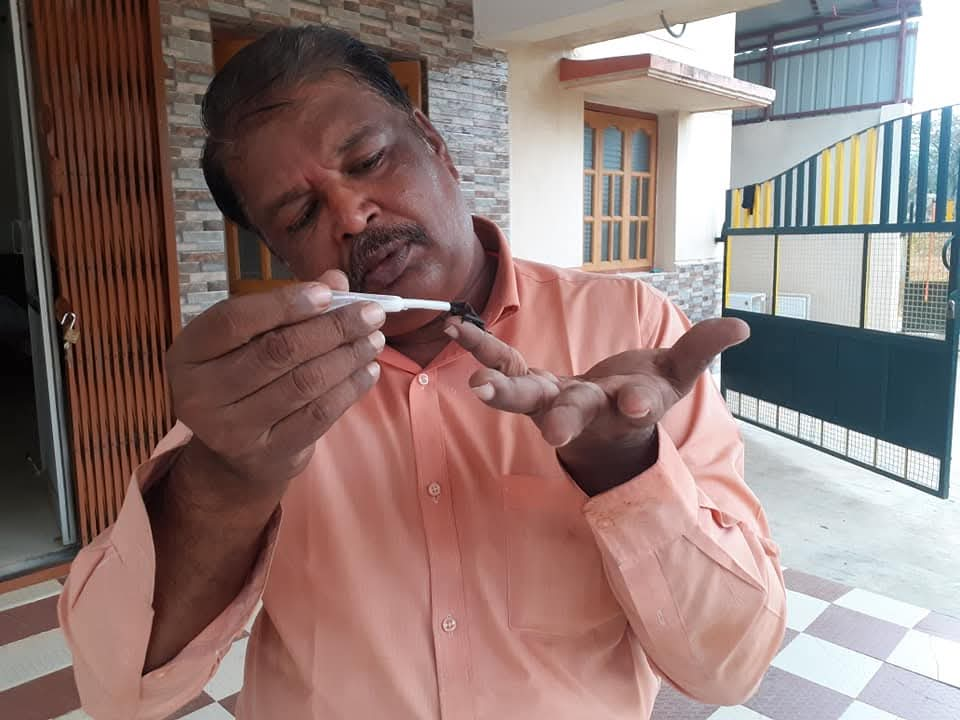
Dr. Krish Asokan has provided specialized veterinary care for Indian Fruit Bats (Pteropus giganteus) rescued from injuries, disease, dehydration, entanglement, electrocution, and other environmental threats. Many bats were brought to forest veterinary units, zoological facilities, and government veterinary hospitals after being affected by habitat loss, extreme weather, urbanization, and human activities. His work included clinical examination, emergency treatment, wound management, fluid therapy, nutritional support, rehabilitation, and release of recovered bats back into their natural habitats. He also promoted public awareness on the ecological importance of fruit bats as pollinators and seed dispersers, helping to reduce misconceptions and encourage the conservation of these ecologically important mammals. Through scientific veterinary care and rehabilitation, Dr. Asokan contributed to the protection and conservation of Indian Fruit Bats and their habitats.
Asokan 833
file 00000000cf707207b096581e9e427ba6
FB IMG 1742574127550
FB IMG 1742574133566
FB IMG 1742574137266
FB IMG 1742574140360