Elephant Rescue, Rehabilitation, Innovation & Conservation
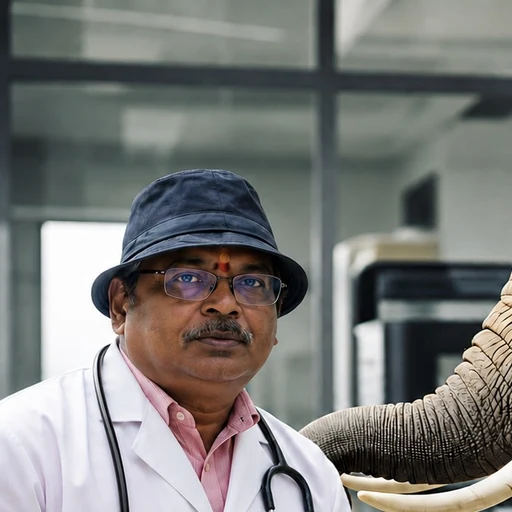
- Dr. Krishnamoorthy Asokan has made significant contributions to elephant rescue, veterinary care, rehabilitation, and conservation. He has been involved in the rescue, treatment, rehabilitation, and management of more than 50 elephants and elephant calves, including injured, distressed, orphaned, and vulnerable animals. One of the rescued elephant calves, Ammu, later gained international recognition through an Oscar-winning documentary, bringing wider attention to elephant rescue and conservation.
Why should we save wild elephants?
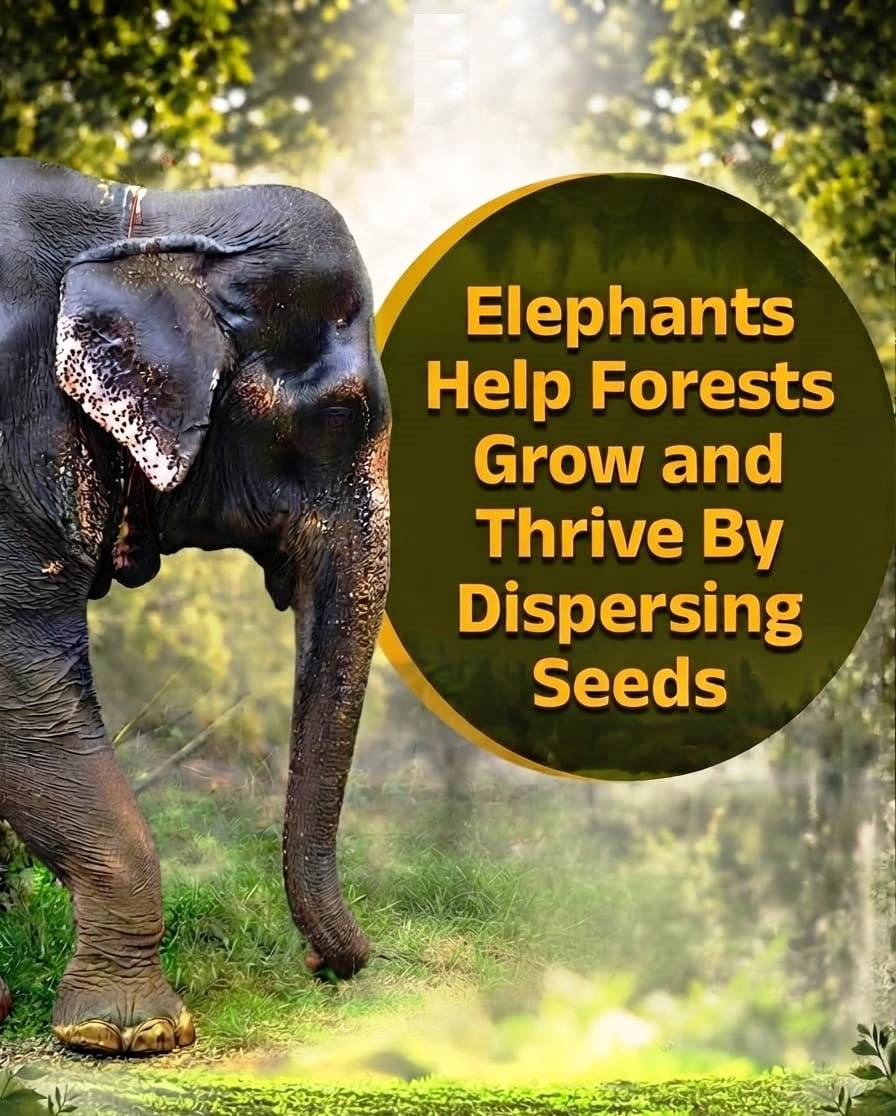
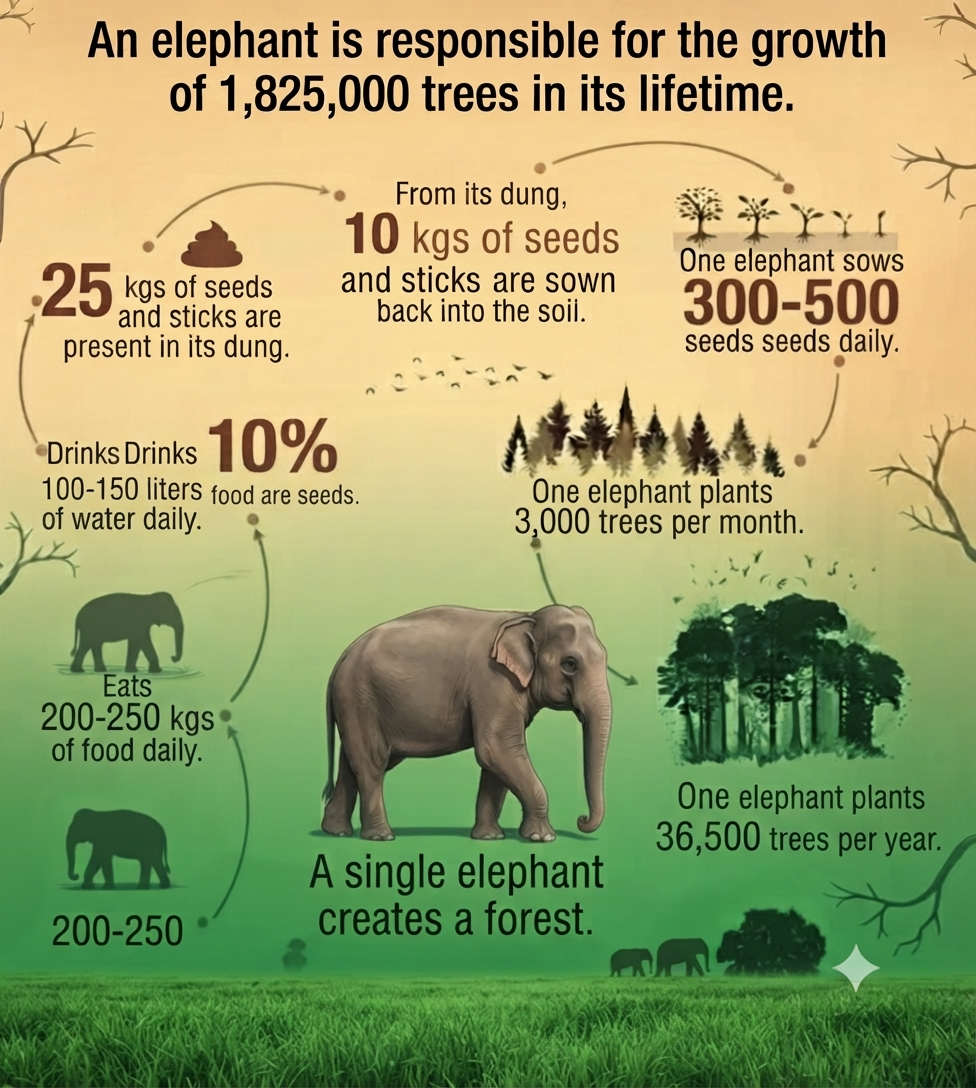
- Wild elephants are essential to the health and regeneration of forests and play a vital role as ecosystem engineers and seed dispersers. As elephants consume fruits, leaves and other vegetation, many seeds pass through their digestive system and are deposited in their dung across different parts of the forest, helping natural regeneration and increasing plant diversity.
- Their movement through forests also creates pathways, opens vegetation, redistributes nutrients and can provide opportunities for other wildlife.
- Elephants therefore contribute not only to forest growth but also to the survival of birds, insects, reptiles, herbivores and many other species that depend on healthy forest ecosystems. However, wild elephants face serious threats from habitat loss and fragmentation, human–elephant conflict, electrocution, railway and road accidents, poisoning and other human-related dangers. Saving an elephant is therefore much more than saving a single animal—it means protecting biodiversity, forests, ecological balance and the future of wildlife.
- Dr. Krishnamoorthy Asokan has contributed to elephant rescue, veterinary treatment, rehabilitation and translocation, including work involving wild, captive and temple elephants. He has been associated with the rescue and treatment of more than 50 elephants, including landmark cases such as Moorthy and Chinnathanbi and elephants rescued from life-threatening electric-shock incidents. His work demonstrates how veterinary science, field experience and compassion can make a meaningful contribution to wildlife conservation. When we save a wild elephant, we help protect the forest, biodiversity and the future of our planet.